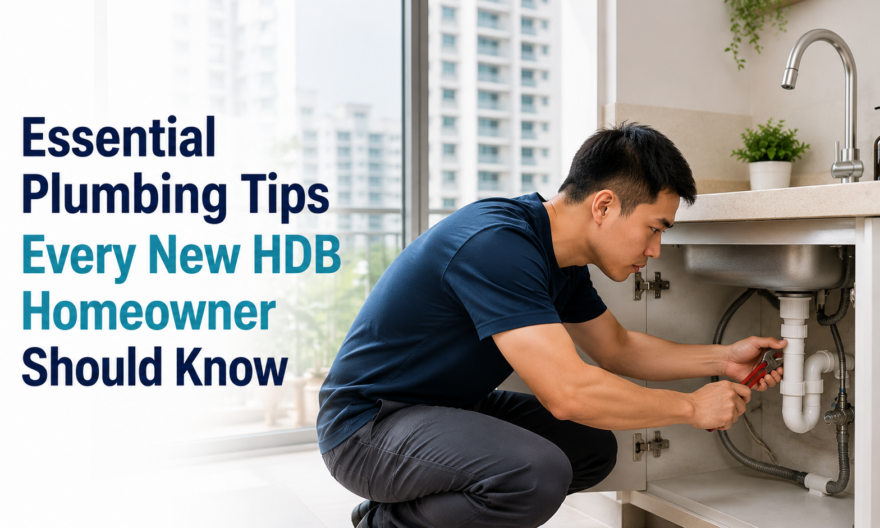
New HDB and BTO residents will benefit greatly from acquiring some basic knowledge about plumbing to save on expensive repair costs. Some of these tips include identifying your water shut-off valve, conducting regular checks for any leakages, and never flushing anything that is not biodegradable down the toilet. Be aware of your pipe network and water pressure levels.
Getting your own HDB flat is exciting and all, but there is a lot to learn before you know how to maintain everything properly. In all the hustle of organizing the furnishing and even getting the utilities settled, one thing many homeowners forget about is Home plumbing services. Fortunately, there are some basic practices about plumbing that will help save you money.
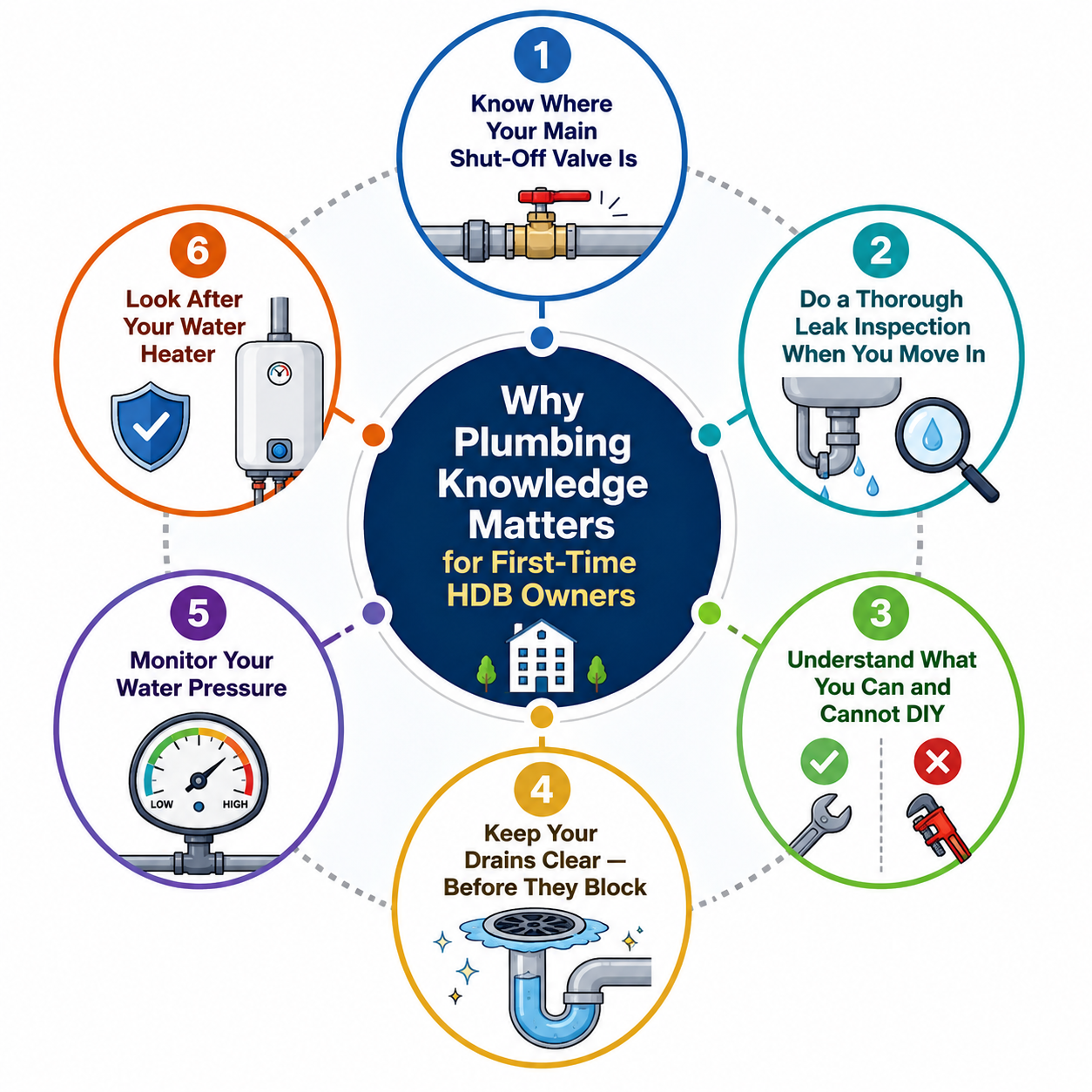
Why Plumbing Knowledge Matters for First-Time HDB Owners
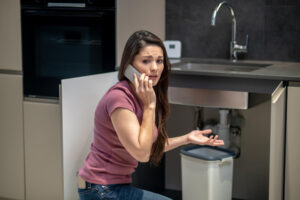
Water wastage from leaks in the pipes and poor fixtures is one of the most common problems faced by homeowners in Singapore. As noted by the National Water Agency, PUB of Singapore, a single dripping faucet can result in up to 11,000 liters of water wastage within the year, which results in both increased utility bills and risk of flooding your and your neighbors’ apartments downstairs.
Being a vertically-stacked building structure, HDB flats are more susceptible to disputes between neighbors. It is important to know the fundamentals.
Step 1: Know Where Your Main Shut-Off Valve Is
This is the very first thing you must do before unpacking even one item from the moving boxes. Your primary water valve will be found somewhere in or around the service yard, at the entrance of your apartment, adjacent to the water meter.
In the event of a plumbing disaster, such as broken pipes, overfilled toilets, and leaking faucets, shutting off your primary water valve will prevent any further water from entering your home. Practice how to shut it off and turn it back on.
Step 2: Do a Thorough Leak Inspection When You Move In
Before renovation or furniture placement, walk through your flat and inspect every water point. Many BTO units are handed over in basic condition and minor issues can go unnoticed during handover.
Check the following:
- Under-sink cabinets for moisture or watermarks
- Toilet base for any staining around the seal
- Bathroom tiles for soft spots that may indicate trapped water
- All tap faucets for drips even when fully closed
- Showerheads for irregular water flow
If you spot anything unusual, document it with photos and report it to HDB before your defect liability period ends — typically 12 months from key collection for new BTO flats.
Step 3: Understand What You Can and Cannot DIY
There is a clear line between a quick fix and a job that requires a qualified plumber. Knowing the difference protects both your flat and your wallet.
Safe DIY tasks:
- Replacing a tap washer
- Unclogging a sink with a plunger
- Changing a showerhead
- Fixing a running toilet flapper
Leave these to a professional:
- Any work involving concealed pipes
- Water heater installation or replacement
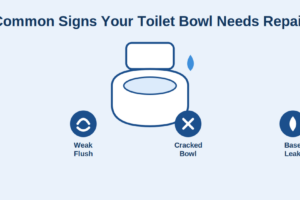
- Toilet bowl replacement
- Persistent or recurring drain blockages
- Any task requiring you to access the water riser or shared pipes
In Singapore, any plumbing work involving concealed pipes or the main water supply must be carried out by a licensed plumber registered with PUB. Doing it yourself is not just risky — it could void your HDB warranty.
Step 4: Keep Your Drains Clear — Before They Block
Drain blockages are the most common residential plumbing issue in Singapore. Kitchen grease, hair in bathroom drains, and soap scum build-up are the usual culprits.
Simple habits make a big difference:
- Use a mesh drain strainer in your kitchen and bathroom to catch debris
- Pour boiling water down kitchen drains weekly to dissolve grease build-up
- Never pour cooking oil down the sink — dispose of it in a sealed bag in the bin
- Clean bathroom drain covers every two weeks
Prevention is far cheaper than a call-out for a blocked drain. Regular maintenance takes five minutes and can save you a service fee.
Browse Full Insights: Common Electrical Emergencies in HDB Flats and How Experts Fix Them
Step 5: Monitor Your Water Pressure
Ideal water pressure for Singapore HDB flat will be between 1.5 and 3.5 bars. Should you notice any abnormality in water pressure, then you should check the cause before it becomes a serious problem.
Pressure that is too high means stress on pipes and household appliances while too low may point at a partial clog or malfunctioning pressure regulator, which can easily be diagnosed by a Singapore residential plumber.
Step 6: Look After Your Water Heater
Most HDB flats use instant water heaters rather than storage tanks. These units are generally low-maintenance, but they do need attention over time.
Watch for these warning signs:
- Water taking longer than usual to heat up
- Discoloured or rust-tinted hot water
- Unusual sounds during operation
- Water leaking from the unit itself
Instant water heaters in Singapore typically last 8 to 12 years. If yours is approaching that age, factor in a replacement before it fails during a weekend morning rush.
When to Call a Plumbing Handyman
Not every plumbing issue is an emergency, but some situations should not wait. Call a plumbing handyman promptly if you notice:
- Water seeping through walls or ceilings
- A sudden spike in your PUB water bill without any change in usage
- Foul odours coming from drains despite regular cleaning
- Multiple fixtures draining slowly at the same time
- Visible corrosion on exposed pipes
Multiple slow drains at once usually point to a main line issue — not individual blockages. This needs professional attention, not a bottle of drain cleaner.
Quick Reference: Common HDB Plumbing Issues and What to Do
| Issue | Likely Cause | Action |
|---|---|---|
| Dripping tap | Worn washer or O-ring | Replace washer (DIY or handyman) |
| Running toilet | Faulty flapper or float | Replace flapper (DIY or handyman) |
| Slow drain | Hair or grease build-up | Use plunger or drain cleaner |
| Low water pressure | Blockage or regulator fault | Call a licensed plumber |
| Water stains on ceiling | Leak from unit above | Contact HDB and call a plumber immediately |
| Discoloured water | Pipe corrosion or heater issue | Call a licensed plumber |
One Final Thought Before You Call Anyone
Your liability period for HDB defects is the greatest free service that you can have being a new homeowner. Make use of this opportunity. Submit all plumbing issues to HDB during the first year no matter how minor they may be. Once the period elapses, you will have to incur costs for all the repairs yourself.
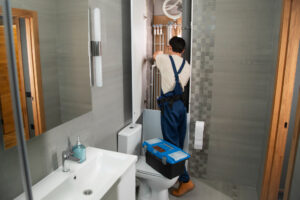
Once you are out of the warranty period and require professional assistance, the Li-fong Handyman crew offers home plumbing solutions in Singapore for both routine inspections and emergencies in HDB and BTO apartments. Having an expert plumber is definitely not a luxury for new homeowners.
Frequently Asked Questions
Q: How do I find the main water shut-off valve in my HDB flat?
Emergency shut-off valves for most HDB flats can be found at the entrance to the flat, either right next to or behind the water meter. To turn off the flow of water in emergencies, rotate the valve clockwise. This should be done immediately upon moving into the flat.
Q: What should I do if I have a water leak in my HDB flat?
Turn off the main shut-off valve immediately to stop the flow of water. Should there be a leak from the unit above yours, inform your neighbor and HDB about it. In case of an internal leak, get in touch with a licensed plumber who will determine the cause and fix it.
Q: Can I do my own plumbing repairs in an HDB flat in Singapore?
Small jobs such as changing tap washers or clearing drains can usually be done without any difficulty. However, any work involving pipes hidden within the walls, water risers, or installations of a water heater must always be done by a plumber licensed by PUB.
Q: How often should I service the plumbing in my HDB flat?
It would be wise for most HDB owners to have an annual inspection carried out. It is advisable to inspect the plumbing system by ensuring that there is no dampness around all the taps, drainages, and areas under the sinks. For flats older than 10 years, you should have a more comprehensive one.
Q: Why is my water bill suddenly higher without any change in usage?
When there is an abrupt rise in your PUB water bill, this usually indicates the presence of a leak, most likely a leaking cistern of the toilet or a pipe leaking within the wall. Always check the toilet first before contacting a licensed plumber.
Q: How long does a water heater last in Singapore, and when should I replace it?
Most instant water heaters in Singapore can last up to 8 to 12 years before needing to be replaced. It’s time to do so when you notice that the water heater takes a long time to heat water, has colored water coming out, makes odd sounds, or leaks.