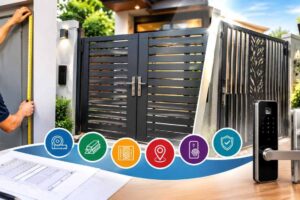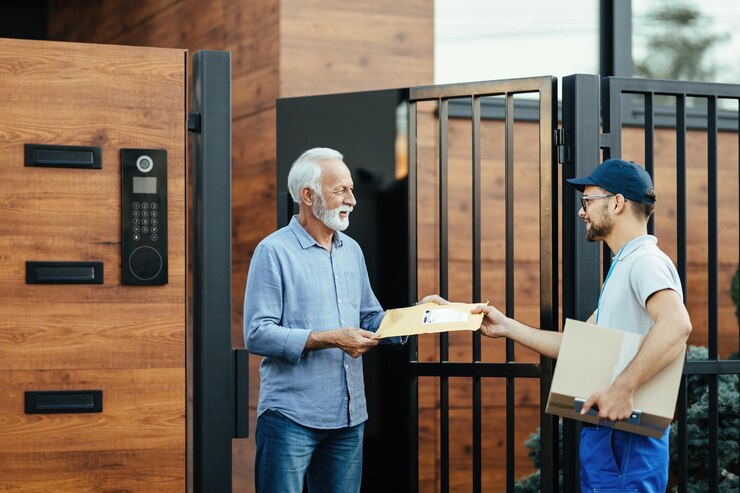
These smart devices are connected to home automation systems for remote control, activity monitoring and hands-free entry. They ditch physical keys for tech-savvy residents, but add in layers of programmable security — an essential upgrade for any connected home setup.
If you’re building a smart home in Singapore, the front door is the most logical place to start. Digital lock installation Singapore has grown steadily as more HDB and condo residents adopt home automation systems — and for good reason. A digital lock isn’t just a keyless entry device. It’s a connected security node that communicates with your broader smart home ecosystem.
Why Singapore Homeowners Are Prioritising Smart Locks
Singapore’s Smart Nation initiative has been a strong proponent of connected home technologies, and the adoption of such technologies has been on a steady increase across HDB estates and private condominiums, according to the Infocomm Media Development Authority (IMDA).
The practical motivations are evident. Busy households have to juggle several family members, domestic helpers and service visits. To keep physical keys for all of these is an annoyance at best and a security risk at worst. This is solved at the door with a digital lock that provides customizable access codes, temporary pin options and real-time notifications.
How Digital Lock Installation Supports Home Automation
Now it starts getting really interesting for smart home fans. A lot of homeowners view digital locks as independent devices. In practical terms, a well-chosen smart lock becomes one of the most active nodes in your entire automation setup.
Integration With Smart Home Hubs
If your door is protected by a modern digital lock that is compatible with Google Home, Amazon Alexa or Apple HomeKit, unlocking it can trigger off automated routines immediately. Just walk in at 7 PM and your lights turn on, the air conditioning kicks in and your favorite playlist plays—all without flipping a single switch.
For Z-Wave and Zigbee compatible locks, the integration goes even deeper. You can configure if-then automations—if the front door is locked after 10 PM and motion sensors detect no activity, the system will automatically turn on night-mode lighting and arm the security camera perimeter.
Remote Access and Real-Time Monitoring
With Wi-Fi digital locks you can add or delete access remotely. Coming back home late from office? Unlock your child’s door from afar. Waiting for a delivery? Send a single use PIN that expires once used. You can only get this level of remote control if your lock is part of a connected ecosystem.
Many smart locks have companion apps that log each entry and exit with time stamps. For households with elderly parents or little ones, this passive monitoring gives a real sense of peace of mind without being intrusive.
Voice Control and Hands-Free Entry
Shopping? Off a run? Open the door, no fuss, with voice commands through a smart speaker. It sounds like a trivial convenience until you live with it every day and then it’s non-negotiable.
Digital Lock for Main Door: What to Look for in Singapore
Choosing the right digital lock for main door installation requires balancing security standards, local compatibility, and smart home integration capability. Not every lock on the market is designed for the humidity and usage patterns of Singapore homes.
Key considerations include:
-
Door type compatibility: HDB main doors in Singapore typically use a specific gate-and-door configuration. Ensure the lock is certified for your door type — timber, metal, or fire-rated.
-
Authentication methods: Look for multi-modal locks that support fingerprint, PIN, RFID card, and mobile app access. Redundancy matters when one method fails.
-
Connectivity protocol: Bluetooth-only locks have limited smart home integration. Wi-Fi or Z-Wave compatible locks offer far greater automation potential.
-
Battery life and backup: Singapore’s humid climate can affect battery performance. Choose locks with low-battery alerts and physical key override as backup.
-
App ecosystem: The companion app should support scheduled access, user management, and access logs. Integration with your existing smart home platform is a bonus, not a luxury.
Real-World Use Cases: Smart Living Scenarios
Abstract benefits become clearer through practical scenarios. Here’s how Singapore households are actually using digital locks within their smart home setups:
| Scenario | Smart Lock Feature Used | Automation Outcome
|
|---|---|---|
| Child returns from school | Fingerprint entry + app notification | Parent receives alert; AC activates automatically |
| Airbnb or short-term rental | Time-limited PIN code | Access expires at checkout time without host involvement |
| Domestic helper schedule | Weekly recurring access PIN | Entry permitted only on designated days and hours |
| Elderly parent at home | Access log + mobile alerts | Family monitors comings and goings remotely |
| Late-night arrival | Voice command via smart speaker | Door unlocks hands-free; lights activate on entry |
Security Considerations You Shouldn’t Overlook
Smart doesn’t automatically mean secure. Digital locks introduce new attack surfaces — primarily through their wireless connectivity. Here’s what to evaluate before installation:
Encryption standards: Look for locks using AES-128 or AES-256 encryption for data transmission between the lock and its app. This is the same standard used in financial applications.
Anti-tamper alarms: Quality locks trigger audible alarms if someone attempts forced entry or if the device is physically tampered with.
Two-factor authentication: For app-based control, ensure the companion app supports 2FA. A compromised phone should not mean a compromised home.
Firmware updates: Choose brands that release regular firmware updates to patch security vulnerabilities. This is often overlooked but critical for long-term security.
Installation: DIY vs Professional Setup in Singapore
Some digital locks are promoted as being DIY-friendly. In fact professional installation is a huge help in fitting onto Singapore HDB doors that often have specific cutouts for mortise locks and gate configurations.
Before drilling or modifying anything a professional installer will check for door thickness, alignment and gate compatibility. They’ll install the app, test all the ways to get in and make sure the lock is flush and in the right place. Poor installation will affect both security and the mechanical longevity of the lock.
Beyond the actual installation, professional installers can also help with smart home integration, ensuring your lock is correctly connected to your existing hub or automation platform from the get-go.
Cost vs Value: Is It Worth the Investment?
Digital locks in Singapore typically range from SGD 300 to SGD 1,200 depending on brand, feature set, and installation complexity. While the upfront cost is higher than a conventional deadbolt, the long-term value calculation shifts when you factor in:
-
Elimination of key cutting and locksmith costs
-
Reduced risk from lost or copied keys
-
Time saved managing household access
-
Increased property appeal if you’re renting out your unit
-
Integration value within a broader smart home ecosystem
For smart home enthusiasts, the lock is also a gateway investment — once your entry point is automated, the logic of extending automation to lighting, climate, and security becomes much more compelling.
Making the Right Choice for Your Home
The Singapore smart home market is maturing rapidly and the bar for what makes a “good” digital lock has been raised. The best one for your home will depend on what type of door you have in your house, your existing smart home system, your household’s access patterns, and how far you want to take it into your automation system.
For the homeowner ready to move, having someone who understands the technical and installation side makes a meaningful difference.” Lockin Singapore provides professional digital lock installation in Singapore with advice on smart home compatibility. It’s a practical jumping-off point for anyone serious about building a truly connected home.
Frequently Asked Questions
Can a digital lock integrate with my existing smart home system like Google Home or Alexa?
Yes, most digital locks work with Google Home, Amazon Alexa and Apple HomeKit. Integration lets you trigger automated routines when you enter – such as turning on lights or air conditioning – and control access remotely via voice commands or a smartphone app.
Is digital lock installation suitable for HDB main doors in Singapore?
Yes, most professional-grade digital locks are compatible with HDB main doors. But the compatibility depends on the mortise configuration of the door and gate type. A pro installer can look at your door setup and tell you which model is the right one before any changes are made.
How secure are digital locks compared to traditional locks?
AES encryption for digital locks , anti-tamper alarms , and two-factor authentication provide security levels comparable to traditional locks . The key benefit is access control – you can monitor entry logs, revoke access in real time and reduce the risks of losing or copying physical keys.
What happens if the battery dies on my digital lock?
Most digital locks include low-battery alerts sent via the companion app well before power runs out. They also feature a physical key override as a backup. Some models support external battery jumpstart via a 9V battery terminal, allowing emergency entry without disassembly.