

You can buy BTO doors in Singapore from specialist door suppliers, renovation contractors, and direct manufacturers. The best options offer a combination of certified quality, professional installation, design variety, and after-sales support. Comparing these factors — rather than price alone — helps first-time BTO buyers choose doors that last and comply with HDB requirements.
If you’re a first-time BTO flat owner, the question of where can I buy BTO doors in Singapore comes up quickly once you receive your keys. There are more options than most buyers expect — and more differences between them than just price. The wrong choice can mean poor installation, limited warranty, or a door that fails HDB’s requirements. This guide breaks down exactly what to compare so you make a confident, well-informed decision.
What Makes a BTO Door Different from a Regular Door?
HDB BTO flats come with a basic main door in place but most homeowners replace it or upgrade internal doors during renovation. The BTO doors have to meet certain technical standards. The main entrance door in particular, has to be fire-rated according to the Fire Safety Act in Singapore which is enforced by the Singapore Civil Defence Force (SCDF).
For HDB flats, the main door must be a fire-rated door that can resist fire for at least 30 minutes (FD30 rating). This is not a choice. It’s a requirement of regulation, and doors that aren’t compliant can be penalised or replaced.
Where Can I Buy BTO Doors in Singapore? Your Main Options
There are three main channels for purchasing BTO doors in Singapore:
- Specialist door suppliers: Companies that focus exclusively on doors and related hardware. They typically offer the widest range, in-house installation teams, and post-installation support.
- General renovation contractors: Often sub-contract door work to third parties. Convenient for bundled renovations but may offer less product expertise.
- Furniture and home fit-out stores: Suitable for internal bedroom or bathroom doors but rarely carry fire-rated main door options with proper certification.
For first-time buyers, working with a specialist door supplier is generally the most reliable path. You get dedicated expertise, proper documentation, and direct accountability if something goes wrong after installation.
4 Key Factors to Compare When Choosing a BTO Door Supplier
1. Door Quality and Certifications
Not all “fire-rated” doors sold in Singapore are properly certified. So keep an eye out for doors tested to Singapore Standard SS 332 or equivalent international fire resistance standards. Suppliers should be prepared to provide documentation if requested, not simply verbally assert compliance.
It’s also about material. Solid core doors are much better than hollow core doors for sound insulation, durability and fire resistance. Ask whether the door is solid timber, engineered wood or composite.
2. Design Range and Customisation
BTO owners increasingly treat the main door as a design statement, not just a functional requirement. Look for suppliers offering:
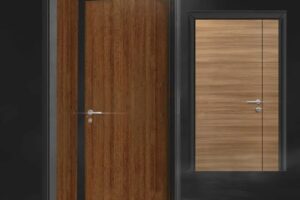
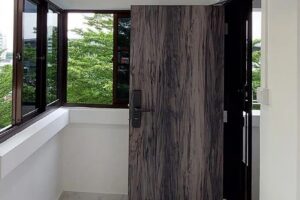
- Multiple finish options — wood grain, laminate, powder coat
- Custom sizing for non-standard openings
- Panel design variety — flush, grooved, framed
- Hardware pairings — digital locks, handles, hinges
A supplier with a strong design catalogue reduces the need to coordinate across multiple vendors, which saves both time and money during your renovation timeline.
3. Professional Installation Standards
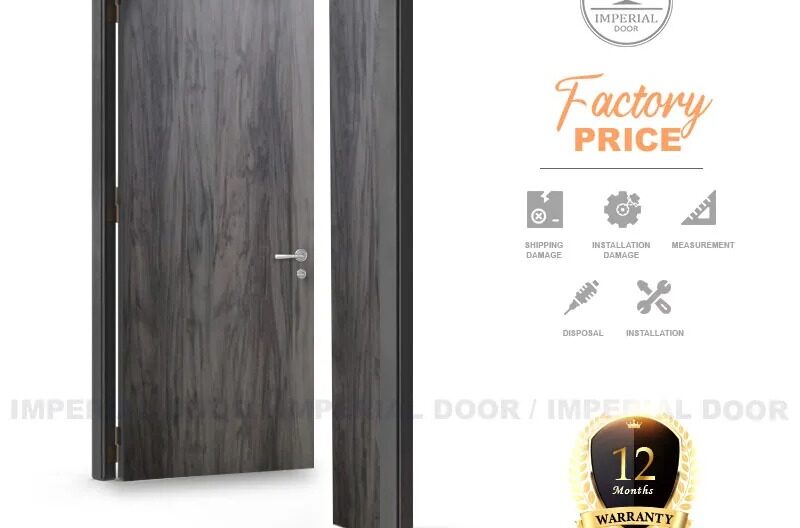
The quality of the installation will directly impact the fire resistance of a door and its performance over time. Even a certified door can be compromised by gaps in the door frame, out of alignment hinges, or improper sealing. Imperial Door ensures proper installation to help maintain the door’s intended fire resistance and performance.
When evaluating vendors, enquire whether installation is handled by in-house teams or outside contractors. In-house teams are specially trained to install doors and usually offer more consistent results. Also verify whether the
supplier performs a post-installation check before sign-off.
4. Warranty and After-Sales Service
A door is a long-term investment. Warping, alignment issues, and hardware failures are common complaints among BTO owners who chose based on price alone. A solid warranty — typically one to three years — signals that the supplier stands behind their product and workmanship.
Check whether the warranty covers both the door unit and the installation. Some suppliers cover the door but exclude labour for repairs. Read the terms clearly before committing.
Comparing BTO Door Suppliers: A Quick Reference
| Factor | Specialist Door Supplier | General Contractor | Furniture Store
|
| Fire-rated certification | ✔ Typically available | Varies | Rarely available |
| Design variety | High | Limited | Moderate |
| In-house installation | ✔ Usually yes | Often outsourced | Often outsourced |
| Warranty coverage | Comprehensive | Varies | Product only |
| After-sales support | Dedicated | Limited | Minimal |
What Should First-Time BTO Buyers Watch Out For?
Many first-time buyers focus on aesthetics first and overlook compliance. Here are the most common mistakes to avoid:
- Skipping certification checks: Always verify the fire rating certification for your main door. Ask for the test report, not just a product label.
- Choosing the cheapest quote: Low-cost doors often use thinner materials or uncertified composites that wear quickly in Singapore’s humid climate.
- Overlooking lead time: BTO renovations run on tight timelines. Confirm production and delivery lead times upfront — some custom doors take three to four weeks.
- Ignoring frame condition: If your door frame is damaged or misaligned from the original installation, a new door won’t hang properly. Ask if the supplier includes frame inspection.
How to Shortlist the Right Supplier
Start by asking for physical samples or visiting a showroom. Seeing and touching the door in person is a fraction of the quality you get in photos. If you want to check the quality of the installation, ask for references from past BTO projects.
Also, confirm that the supplier knows about HDB renovation guidelines. Some suppliers deal mainly in private property and may not be up-to-date on HDB-specific requirements, leading to compliance headaches later.
If you’re a homeowner searching for a supplier with a proven track record in BTO door Singapore projects, Imperial Door offers a curated range of certified, design-forward doors backed by professional installation and clear warranty terms — a reliable starting point for your comparison.
Frequently Asked Questions
Is a fire-rated door mandatory for BTO flats in Singapore?
Yes. For example, HDB BTO main entrance doors must be fire-rated, usually to at least FD30 standard, under the Fire Safety Act in Singapore. The SCDF enforces this requirement and non-compliant doors must be replaced at the owner’s expense.
What is the average price of a BTO main door in Singapore?
For BTO flats in Singapore, fire-rated main doors typically cost between SGD 800 and SGD 2,500, depending on the material, design and hardware. Custom designs or high-end finishes will be toward the upper end of this range.
How long does it take to install a BTO door?
Average installation of a residential door takes two to four hours. If you need custom sizing or frame repairs, however, it may take longer. Always confirm the installation schedule with your supplier at the time of planning your renovation.
Can I just change the internal doors and keep the original HDB main door?
Yes, you can choose to upgrade only internal bedroom/bathroom doors and retain the original HDB main door. Many homeowners, however, change both at the same time when they renovate, to have a uniform design and better acoustics throughout the flat.
What certifications should I look out for when purchasing a BTO door in Singapore?
Look for doors that have been tested to Singapore Standard SS 332 or equivalent fire-resistance standards. A reputable supplier should be able to provide the fire test certificate on request. Having the compliance documentation will safeguard you during HDB inspections and any future resale process.
How do I find out if a door supplier has in house installation?
Ask them direct if the installation team is an employee of the company or a contractor. Typically, an in-house team will be more accountable, better trained on the supplier’s specific products, and easier to follow up with if any post installation adjustments are required.