Step into any modern co-working space today, and you might notice sleek desks, open meeting pods, and shared work zones buzzing with quiet focus. What you may not spot at first is the quiet switch happening in the background—more operators now rely on an IP phone system instead of older landline setups. This move supports a growing need for mobility, flexibility, and clear communication across teams that often don’t sit in the same building, let alone the same city.
The change isn’t flashy. These phone systems don’t take up space or shout for attention. Yet they help people work better, connect faster, and solve problems without missing a beat.
Why Traditional Phone Systems No Longer Fit?
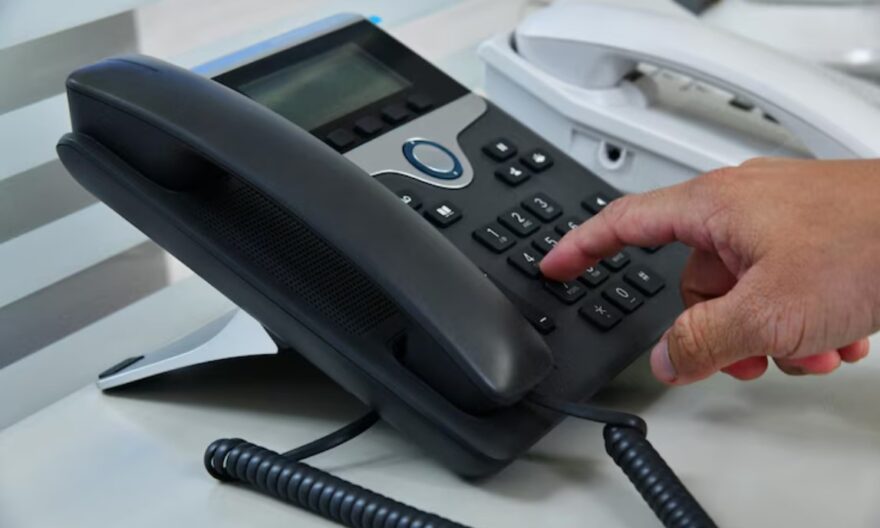
Traditional office phones once ruled the business world. Wires snaked across desks. Fixed numbers tied employees to seats. Call transfers often failed. As remote work expanded and freelancers filled more seats in co-working spaces, these limitations began to stand out.
Workers need numbers that move with them, not lines anchored to the wall. Teams demand better call quality, easier voicemail systems, and the power to route calls on their own. Old systems can’t keep up. Co-working operators started to notice these cracks and looked for something smarter.
The Modern Needs of Co-Working Tenants
Freelancers, small business owners, start-ups, and digital teams fill co-working offices today. Each group arrives with different habits, devices, and schedules. One team might run early video calls. Another might take client calls late into the night. These users expect tools that work on the go, not just at their desks.
Shared spaces must match that energy. Phones that only work from one spot frustrate users. Tenants want flexible communication without waiting on support. Many prefer having their numbers that link to apps or laptops. An IP phone system for coworking spaces delivers that kind of freedom.
How IP Phone Systems Fit Co-Working Models?
IP phone systems operate over the Internet. Unlike older setups, they don’t require heavy wiring, on-site servers, or dedicated phone ports. Operators can set up extensions, direct lines, and voicemail in minutes, not weeks.
This works well in a co-working space, where turnover can happen fast. A new tenant joins? Add a number. Someone moves floors? Change the settings remotely. No technicians. No long waits.
More importantly, these systems allow users to take calls on multiple devices—desk phones, mobiles, or laptops—without missing anything. For flexible spaces, that’s a major benefit.
Scalability That Matches Growth
Many co-working spaces start small. A few rooms, shared desks, maybe a café corner. But success brings growth—more floors, more rooms, more users. Systems need to scale without friction.
An IP phone system expands with ease. Need five more lines? Add them online. Want to group users into departments? Done. No drilling. No moving wires. Everything shifts through software.
This means operators never worry about over-buying or under-planning. The phone system grows alongside the space, matching new demand without strain.
Saving Time with Centralised Control
Running a co-working space takes effort. Front-desk staff juggle bookings, tech issues, and tenant questions. No one wants to waste time handling phone setup or tracking missed calls.
IP phone systems come with dashboards. These tools let managers create, change, or remove numbers with a few clicks. They also show call logs, voicemail history, and missed calls in one place.
When all communication lives in one dashboard, staff spend less time chasing answers and more time helping tenants.
Remote Access for the New Work Model
More teams now work in hybrid or fully remote models. Even within a co-working hub, teams spread out across multiple cities. Leaders need a phone system that doesn’t stay stuck in one building.
An IP phone system works anywhere with an internet connection. That means team members can take calls on their mobile or computer, even while travelling or working from home. The same number follows them, keeping communication smooth.
Remote access also supports staff working across different branches of the same co-working chain. Calls move freely between offices, keeping users connected without confusion.
Supporting Brand Identity for Tenants
Freelancers and start-ups care about how they appear to clients. A personal mobile number doesn’t always project professionalism. A desk phone that rings in an empty office won’t help either.
Co-working spaces that offer branded phone numbers give tenants a boost. With the right system, tenants can greet callers with a custom message, route calls to different devices, and keep work calls separate from personal ones.
An IP phone system for coworking spaces gives members the tools to appear polished, even if their team is two people strong.
Better Call Quality Than You Might Expect
Some assume that Internet phones sound choppy or echo-filled. That might have been true years ago. Today, modern systems use high-quality codecs and strong data lines to deliver crisp sound.
With fast fibre internet now common in Singapore and beyond, IP calls sound just as good—or better—than old landlines. Many systems also reduce noise, block spam calls, and record messages with crystal clarity.
This helps co-working spaces compete with corporate offices in terms of reliability.
Simplifying Collaboration Across Teams
In a shared space, teams work side-by-side but don’t always share tools. One group uses one platform. Another uses something else. Communication starts to scatter.
IP phone systems bridge that gap. Many offer features like:
- Group calling
- Shared voicemail inboxes
- Conference line access
- Click-to-call from email
These tools support teams spread across desks, rooms, and buildings. They stay linked even when seated apart.
Comparing Old Phone Systems and IP Systems in Co-Working Settings
Before diving deeper, let’s compare the key features of older systems versus modern IP systems to highlight why the change makes sense.
| Feature | Traditional Landline | IP Phone System |
| Setup Time | Several days | Few minutes |
| Mobility | Tied to the desk | Works across devices |
| Call Management | Manual transfers | Dashboard-based routing |
| Number Flexibility | Fixed | Portable and customisable |
| Expansion for New Users | Requires hardware | Add digitally |
| Sound Quality (with good network) | Clear | Very clear with HD support |
| Remote Access | No | Yes |
This comparison shows why many co-working operators quietly shift toward IP solutions. The benefits align well with how their spaces work.
Privacy for Shared Spaces
With shared desks and offices, privacy becomes a concern. Tenants want communication that stays private—even in open layouts.
IP phone systems offer personal voicemail, call forwarding, and mute options. Users can answer calls through headphones or route them to their mobile if they step out.
Each tenant can control who calls, when, and how. That peace of mind makes shared spaces feel more personal.
Lower Maintenance, Fewer Surprises
Old phone systems need wires, handsets, and frequent repairs. One cut line can block calls across multiple desks. Fixing these problems costs time and energy.
In contrast, IP systems update through the cloud. If something goes wrong, support teams can fix it remotely. Often, issues get solved before users notice.
This means fewer tech disruptions, fewer complaints, and more trust from tenants.
Training Staff and Tenants
A tool only helps when people know how to use it. The good news: IP phone systems stay simple. With most systems, new users learn the basics in under 30 minutes.
Training materials come built-in. Videos, help guides, and chat support keep things easy. Once staff and tenants grasp the basics, they gain control without calling tech support every time.
Planning for the Future of Work
Work keeps changing. Remote roles grow. Teams work from cafes, airport lounges, and co-working hubs in different cities. Static tools cannot support this shift.
A smart IP phone system helps co-working operators plan for change. It supports multiple locations. It adapts to new tools. It integrates with calendars, messaging apps, and video calls.
These features keep spaces competitive and ready for tomorrow.
Conclusion
Co-working spaces may look loud and lively, but they depend on systems that stay quiet, smooth, and strong. The move to IP phones doesn’t grab attention, but it shapes every call, every meeting, and every client touchpoint.
By choosing an IP phone system for coworking spaces, operators equip their teams and tenants with tools built for how work happens today. These systems follow users, adapt fast, and are easy to run.