In today’s fast-paced business environment, securing your premises while maintaining smooth access is essential. A modern Card Access System Singapore offers the perfect balance — delivering seamless entry for authorised personnel and robust control over who enters your facility. Whether you’re managing staff, contractors or guests, an advanced card-based access control system enhances security, improves operational efficiency and ensures compliance with Singapore’s strict safety and data-protection regulations. Before implementing visitor access cards, it’s worth understanding how a card access system in Singapore works, the key features to look for, and how it can integrate into your company’s broader security strategy.
Managing visitors inside business premises demands more than just friendly greetings and sign-in sheets. In Singapore, many companies now rely on a secure system that tracks who enters, when they enter, and where they go. A well-structured card access system Singapore businesses use today strengthens workplace security, controls flow, and protects sensitive areas. Visitor access cards form a key part of this setup.
This guide explains what visitor access cards are, how they work, and why they matter in modern business environments.
What Are Visitor Access Cards?
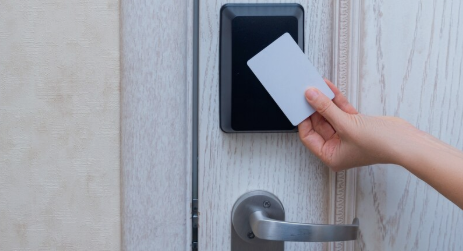
Visitor access cards act like temporary keys. When a guest enters a business site, the front desk issues a card linked to their name. This card lets them open only the doors they need to access. It also records their entry and exit times.
These cards often come in the form of plastic passes or digital badges. Businesses using a visitor card access system Singapore firms trust set rules around each card: where it works, when it expires, and who gets it.
With this method, you avoid open-door risks and know exactly who steps into restricted zones.
Why Businesses Use Visitor Access Cards?
Every company hosts visitors—clients, delivery teams, vendors, and even job candidates. If you leave entry unmonitored, you open the door to risks.
Visitor cards solve several problems:
- They track people without delays.
- They limit guest movement inside offices or buildings.
- They reduce human errors common in manual logging.
In fast-paced cities like Singapore, buildings handle hundreds of visitors daily. A solid access control system Singapore setups follow, streamlining all this. It helps receptionists, security staff, and managers stay informed without manual effort.
How the Card Access System Works?
When a visitor arrives, the front desk collects their details. Once approved, the system creates a visitor profile and prints a card with access permissions. This card opens selected doors and records every time the person uses it.
Once the visit ends, staff collects the card and marks the visit as complete.
Here’s the typical flow:
- Guest checks in.
- System registers and issues the card.
- Guest uses the card during the visit.
- Card expires or gets returned at the exit.
A modern card access system Singapore businesses implement connects this flow to company records, digital logs, and safety checks.
Temporary Access, Not Full Control
Visitors shouldn’t move like full-time staff. That’s the reason behind temporary access. These cards carry a start and end time. They also work only on doors allowed by staff or system settings.
Even if a visitor stays longer than planned, their card stops working unless renewed.
This helps companies:
- Prevent accidental access to secure rooms.
- Track movement inside offices.
- Control crowding in high-safety zones.
Businesses also avoid awkward incidents where strangers enter staff-only areas. The system draws a clear line between guests and employees.
Integration with Building Security
Visitor cards don’t work alone. In many offices, they connect with doors, elevators, CCTV cameras, and even lighting.
For example:
- Swipe a card, and the door clicks open.
- Step inside a lift, and only allowed floors light up.
- Entry gets recorded and matched with live camera footage.
This builds a complete security loop. The more tools you link together, the stronger the safety net becomes. That’s why companies running an access control system Singapore engineers design often include visitor card tools inside the same platform.
Digital Logs and Audit Trails
Every card swipe leaves a trace. These records matter during audits, checks, or emergencies.
Digital logs can:
- Reveal where a visitor walked.
- Show time spent in each area.
- Prove who was inside during an incident.
This works far better than paper logs, which often contain unclear names or unreadable handwriting. A digital visitor card access system Singapore companies prefer builds accurate, searchable records that help with planning and safety.
Visitor Experience Still Matters
While safety matters, the visitor’s experience should stay smooth and welcoming.
Good systems:
- Check in guests quickly.
- Avoid long queues.
- Print badges with names, photos, and visit details.
At the same time, visitors feel guided and watched, which helps maintain order. Well-marked zones, clear signs, and polite staff create a calm experience. Companies should blend control with comfort.
Common Types of Visitor Access Cards
Visitor cards come in many types. Some are reusable, while others are single-use.
Here’s a quick overview:
| Card Type | Usage Type | Common Use Cases |
| RFID Plastic Card | Reusable | Offices, government buildings |
| QR Code Pass | One-time | Events, short meetings |
| Mobile App Access | Digital Temporary | Smart buildings, tech companies |
| Paper Badge with Chip | Disposable | Hospitals, schools, small offices |
Each option supports a different level of security and convenience. Your building setup decides which fits best.
Where Businesses Usually Apply Visitor Cards?
Visitor access cards appear in many places:
- Office buildings with shared floors
- Tech labs handling sensitive data
- Warehouses where safety rules apply
- Hospitals with restricted wards
- Event spaces that need fast check-ins
By using these cards, managers keep public areas open but protect private ones. This balance helps avoid unwanted access without blocking daily work.
How to Set Rules for Visitor Access?
Clear rules make the system fair and smooth. Businesses must decide:
- Which departments allow visitors?
- How long can a visitor stay?
- Should cameras match each swipe?
Set limits for times, floors, and re-entry. Inform all staff about the rules so they follow them when hosting guests. Keep the setup easy for new team members to use, too.
Handling Forgotten or Lost Visitor Cards
Sometimes, visitors lose cards or forget to return them. Your system must handle this with care.
Solutions may include:
- Auto-disable after use.
- Alert security when unreturned.
- Log a replacement if needed.
Staff must stay alert. Set a checklist for every check-out to make sure no card goes missing.
The Role of Reception and Security Teams
These teams drive the system. They check IDs, issue cards, guide guests, and report strange behaviour.
Train them to:
- Spot fake entries
- Guide first-time users
- Flag any system errors
Even the best card can’t stop trouble alone. People still play a key role in smart security.
Upgrading from Manual Sign-Ins
Many older offices still use paper logs. These look simple, but they:
- Miss tracking
- Fail during audits
- Hide risky visits
Switching to visitor cards upgrades control. It also improves record-keeping and trust among staff.
When you pair this with a card access system Singapore companies now embrace, you bring both style and strength to daily office flow.
Privacy and Data Safety
Visitor cards collect names, photos, and sometimes phone numbers. Your company must store this data safely.
Use encryption. Limit who can access logs. Clear old records after a set time.
Let visitors know how their data gets used. Transparency builds trust. Follow Singapore’s data laws to avoid penalties.
How to Choose the Right System?
Not all systems match every business. Choose based on:
- Number of visitors per day
- Number of access points
- Type of work or data involved
Check if the system:
- Links to existing door locks
- Allows quick badge printing
- Tracks visitor exits
Test systems before buying. Talk to staff who will use them daily. They will spot gaps that others may miss.
How Visitor Cards Improve Safety Without Extra Effort?
Here’s why smart cards work better:
- No guessing. Each visitor gets a set path.
- No delays. The system tracks in real time.
- No risks. You always know who entered and when.
Your team stays focused. Visitors move safely. The building breathes easier with proper order.
In Summary
Visitor access cards protect your space while keeping things simple. They let businesses in Singapore track who enters, control where visitors walk, and collect clean records for safety.
A strong visitor card access system Singapore companies trust today combines security, clarity, and care. When used well, these cards shape a better workplace experience for all.
From check-in to check-out, each card helps your team stay informed, your guests feel guided, and your building stay secure.
Read Also: Types of Access Cards Used in Singapore Door Systems Today
FAQ – Frequently Asked Questions about Card-Access Systems in Singapore
Q: What is a card-access system and how does it differ from traditional locks?
A: A card-access system uses smart cards, RFID tags or proximity cards to grant entry via readers, instead of mechanical keys. It allows you to control and monitor access electronically — you can assign which doors each card can open, deactivate lost cards instantly, and log who entered when.
Q: What are the benefits of using card-access systems for business premises in Singapore?
A: Key advantages include enhanced security (unique credentials, deactivation of lost cards), reduced reliance on physical keys, improved visitor and staff flow, access logs for audit, and easier integration with other systems (CCTV, alarm systems).
Q: What should I look out for when selecting a card-access system in Singapore?
A: Consider the technology (proximity vs smart card), number of access points, ability to integrate with existing security/infrastructure, support for visitor management, software ease-of-use, compliance with privacy laws (like PDPA) and emergency evacuation compatibility.
Q: What happens if a card is lost or stolen?
A: The system should allow you to immediately deactivate the card within the access-control software, preventing unauthorised entry. A replacement card can then be issued. This is a key advantage over lost mechanical keys.
Q: Are there regulations in Singapore that impact the use of card-access systems?
A: Yes. Systems must adhere to standards relating to fire safety (ensuring exits aren’t locked during emergencies), data protection under the Personal Data Protection Act (PDPA) when storing access logs or personal credentials, and building safety codes.
Q: How much does it cost to install such a system?
A: Costs vary widely — they depend on the number of doors, card readers, type of cards, software required, integration with other systems and ongoing maintenance. It’s best to obtain detailed quotes from installers.
Q: Can card-access systems integrate with visitor management (visitor access cards)?
A: Yes. Many systems support visitor cards or temporary credentials, allowing you to control visitor flow separately from staff access, monitor visitor movement, and set expiry for visitor credentials. Look for this feature when you want visitor-specific access control.
Q: What kind of support and maintenance is required?
A: Regular tasks include software updates, ensuring reader hardware remains functional, checking door locks and access points, reviewing access logs, and managing expired credentials. Using a vendor with support and servicing options is recommended.