


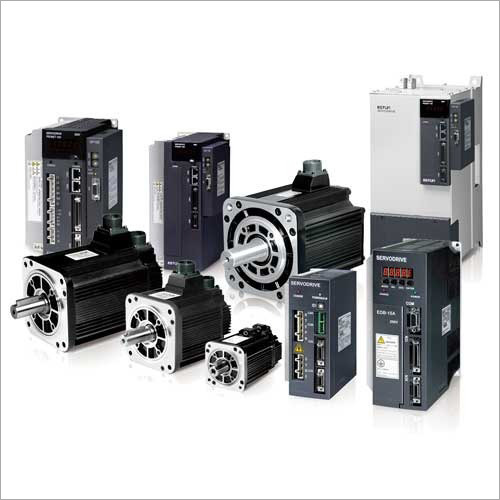
Servo drives and motors guide machines with accurate movement. These systems control how parts start, stop, turn, and hold their position. Unlike regular motors that spin at a fixed speed, servo motors move with purpose and stop exactly where needed.
Many industries now rely on servo drives and motor setups to run tools, shape materials, and move parts in perfect order. These systems offer both control and power, which makes them useful in complex machines that require detailed motion.
Understanding how these devices work helps you choose the right solution for tasks that need precision and speed. With automation growing fast, these systems now sit at the core of modern machinery.
How Servo Motors Function?
Servo motors hold a simple goal: move something to a specific spot. But they perform this job with great care. They use sensors that track position and feed signals to a control unit. This unit then sends power where it’s needed.
These motors don’t spin freely. Instead, they grip, pause, or turn as directed. Each movement depends on the input signal. The motor then checks its current position, compares it to the goal, and adjusts as needed.
Small changes can lead to big results. That’s why machines that slice, drill, or place items all use these motors for accurate handling.
What Role Do Servo Drives Play?
Servo drives act as the brains behind the motor. They measure, direct, and shape the power that flows into the system. Their job is to take instructions from a controller and tell the motor how to move.
Drives must also respond to real-time data. If something shifts or slows down, the drive will notice and correct the motor’s movement. This keeps the system smooth and safe.
A servo drive does more than feed power—it constantly checks for errors, compares commands to actual movement, and adjusts on the spot.
Together, the servo drives and motor form a closed-loop system. That means the motor never works alone. The drive watches and guides every action from start to stop.
Key Components That Keep Motion Accurate
Servo systems include more than motors and drives. Several parts work together to ensure motion stays clean and on-target:
- Controller – Sends movement instructions
- Feedback Device – Tracks the motor’s position
- Power Supply – Feeds the needed energy
- Drive – Guides the current and adjusts as needed
- Motor – Follows commands to move or hold a position
Each piece depends on the next. If any part fails or drifts, the whole system can suffer. That’s why manufacturers value quality and precision when building these machines.
Why Use Servo Drives and Motors?
When you need motion that repeats with precision, servo systems shine. They suit tasks that require timing, speed changes, or tight control. Some common benefits include:
- Precise Positioning – Stop exactly where needed
- Speed Control – Match the pace of changing tasks
- Torque Control – Adjust force with care
- Smooth Starts and Stops – Reduce wear and noise
Machines that need clean, accurate movement often turn to servo setups. They improve both speed and accuracy while protecting parts from strain or failure.
Common Types of Servo Motors
Servo motors come in a few shapes and sizes. Each type fits different jobs, based on how it handles motion and feedback.
Type of Motor and what it does:
- Brushed DC Servo: Easy to use and control, low cost
- Brushless DC Servo: Lasts longer and runs quietly
- AC Servo: Good for heavy loads and powerful tasks
- Linear Servo: Moves in straight lines instead of rotating
Before picking a motor, you must know the task at hand. Some need quick starts. Others demand steady torque. The choice depends on your machine’s goals.
How the Market Sees These Systems?
Today, the servo motors and drives market grows with strong demand. This comes from industries that want reliable, high-speed systems. Tools that shape parts, handle materials, or fill packages all benefit from servo setups.
Robotics also drives growth. These machines move in complex ways and need fine control. That makes servo motors and drives ideal for these roles.
As automation rises, so does the need for smart, precise systems. Servo solutions help meet that need by blending control with energy efficiency.
Where Servo Systems Work Best?
Servo systems work in places that rely on clean, repeatable movement. Some key uses include:
- CNC Machines – Shape parts with fine detail
- Packaging Lines – Time each step to match speed
- Printing Presses – Align paper with colour rolls
- Robot Arms – Move in set paths with tight control
- Conveyor Belts – Adjust speed to match flow
Each of these roles demands control. Servo motors bring that by holding, lifting, or spinning as needed—always with purpose and care.
Setting Up a Servo System
Putting together a servo system involves several steps:
- Define the Motion Needs – Know the type of movement, load, and distance
- Choose the Motor – Pick a motor that can meet speed and torque demands
- Select the Drive – Match the drive to the motor and controller
- Connect Feedback – Use sensors to track position
- Test and Tune – Adjust settings for smooth operation
A well-tuned system will move cleanly and stop at the right time. Always review data to catch signs of drift or lag.
Growth in the Global Market
Across industries, demand continues to rise. The servo motors and drives market now sees strong use in packaging, automation, and electronics. New machines need better accuracy and safer operation. Servo systems offer both.
Countries that focus on clean energy and smart factories also boost demand. Their projects include wind control systems, solar trackers, and automated storage lines. These tasks rely on motion that stays sharp and stable.
As a result, more firms invest in motion systems that offer control without waste.
Challenges and Limits to Watch
Even the best servo systems have limits. These include:
- High Cost to Start – Not always budget-friendly
- Complex Tuning – Needs skilled workers to adjust settings
- Heat Build-up – Long use can strain parts
- Sensor Issues – Dirty or broken feedback devices cause trouble
That said, smart planning reduces risks. When you size parts correctly and monitor feedback, most systems will last for years.
Final Thoughts
Servo drives and motor systems help machines move with skill. They follow commands closely, adjust in real time, and handle complex jobs with ease. Their design suits industries that care about speed, accuracy, and smooth handling.
By learning how these systems work, you gain the power to choose, set up, and care for them. The result is a motion system that performs with grace and strength.
As the servo motors and drives market continues to expand, these tools will play a key role in shaping how we build, move, and create in the years ahead.
For More Information : Neotech Engineering