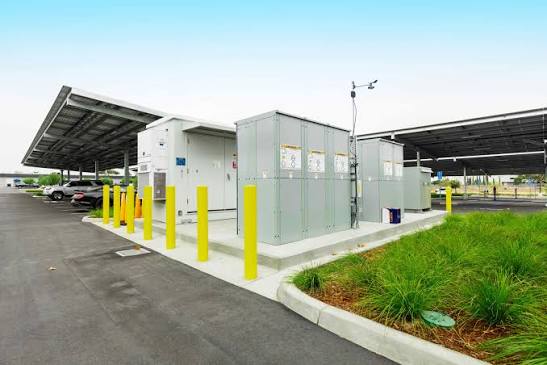
A Missing Piece in the Renewable Energy Picture
Generating clean electricity is only half the equation. The other half is making sure that electricity is available when it’s actually needed which, for most solar-equipped properties, is a different time of day than when it’s generated. This mismatch is exactly what storage technology exists to solve, and it’s a big part of why interest in battery energy storage has grown so quickly among homes and businesses alike.
This piece looks at how storage systems actually work, why both residential and commercial users are adopting them, what determines the right size and cost, and what to consider before adding one to a property.
What a Battery Energy Storage System Actually Does
A battery energy storage system often shortened to BESS captures electricity, whether from solar panels, wind, or the grid, and holds it for use later. Instead of exporting surplus solar power back to the grid at a lower value, a property can store that energy and draw on it during the evening, an outage, or a period of high demand-based pricing.
A typical system includes several components working together:
- Battery modules, typically lithium-ion, which store the electrical energy itself
- A battery management system (BMS), which monitors charge levels and overall battery health
- An inverter or power conversion system, converting stored DC power into usable AC power
- Thermal management, keeping the batteries within a safe operating temperature range
- Monitoring software, tracking real-time performance and efficiency
- Safety systems, including fire protection, surge protection, and isolation switches
Together, these parts are what make a modern Solar Energy Storage System both safe and dependable, whether it’s serving a single household or a large industrial facility.
Why Homeowners Are Adding Battery Storage
For homeowners, the logic is fairly intuitive. Solar panels generate the most electricity around midday, but most household consumption happens in the evening dinner, lighting, air conditioning, entertainment. Without storage, that midday surplus often gets exported to the grid at a fraction of its retail value. A properly configured Solar Battery for Home setup changes that equation entirely, letting a household use its own generated power well after the sun has set.
Common reasons homeowners choose to add storage:
- Backup power during outages
- Using stored solar energy at night instead of drawing from the grid
- Lower monthly electricity bills
- Greater independence from rising utility rates
- Improved day-to-day control over household energy use
Many homeowners find that once they add storage, they start thinking differently about electricity altogether actively managing when their own generated power gets used, rather than simply consuming whatever the grid happens to supply at any given moment.
Why Businesses Are Investing in Commercial Storage
For businesses, the case for storage is less about backup and more about controlling cost. Many commercial and industrial tariffs charge significantly more during peak demand periods, and Commercial Battery Storage gives a business the ability to shift its power draw away from those expensive windows.
| Business Priority | How Storage Helps |
| Peak demand charges | Stores power in advance, avoiding costly grid draw during peak rate periods |
| Operational continuity | Provides backup power during outages, reducing costly downtime |
| Renewable utilisation | Stores solar-generated power for use outside daylight hours |
| Grid stability | Supports frequency regulation and voltage control on-site |
| Sustainability commitments | Reduces reliance on fossil-fuel-based grid electricity |
Industries with consistently high daytime energy use manufacturing, construction, and logistics among them tend to see the fastest returns, particularly when storage is paired with an existing or planned solar system. Storage also tends to improve overall power quality on-site, which matters for facilities running equipment sensitive to voltage fluctuations.
Where Storage Systems Get Used
Battery storage isn’t limited to simple backup duty. Its applications span a wide range of scenarios:
- Load levelling — storing energy during low-demand periods for use later, easing pressure on the grid
- Peak shaving — discharging during high-usage windows to reduce demand charges
- Backup power — critical for hospitals, schools, data centres, and other continuous-operation facilities
- Frequency control — helping stabilise grid frequency by charging or discharging quickly in response to supply and demand shifts
- Renewable integration — storing solar output for release once generation drops off
- Mobile and off-grid use — containerised units powering remote sites, construction offices, or events without reliable grid access
This range of use cases is a big part of why solar energy storage has moved from a niche technology to something closely tied to how energy-conscious properties are designed today.
Off-Grid and Portable Applications
Not every use case involves a permanent, grid-connected building. Off-grid storage containers are increasingly deployed for temporary or portable needs construction sites, emergency response operations, medical facilities, event grounds, and EV charging stations, among others.
These containerised systems can be paired with solar panels, a generator, or a combination of both. A mid-sized hybrid setup, for example, can be enough to power several air-conditioned site offices for the better part of a working day, cutting fuel consumption and reducing noise and emissions compared with running generators alone for the same duration.
Getting the Sizing and Cost Right
One of the most important and most frequently overlooked parts of adopting storage is sizing the system correctly. A system that’s too small won’t deliver meaningful savings or backup capacity, while an oversized one adds unnecessary upfront cost without a proportional return.
| Sizing Factor | Why It Matters |
| Daily energy consumption | Determines how much stored capacity is actually useful |
| Existing or planned solar capacity | Storage should match the amount of surplus solar generation available |
| Backup requirements | Critical operations may need more reserve capacity than pure cost savings would justify |
| Peak usage patterns | Sharper demand spikes generally benefit from larger systems |
| Available installation space | Physical footprint can constrain system size, especially in dense settings |
Because these factors interact with one another, a proper energy usage assessment rather than a generic online estimate is the only reliable way to determine what size system genuinely makes financial sense for a given property. This is also where the value of an experienced local provider becomes clear, since sizing decisions made on assumptions rather than actual data are one of the most common reasons a storage investment underperforms.
Practical Considerations Before Installing
A few additional factors are worth thinking through before committing to a project:
Available space
Storage units need adequate airflow and access. Smaller properties may be better suited to compact, wall-mounted units rather than larger containerised systems.
Local regulations
Installations need to comply with relevant fire safety and electrical codes, which is part of why using certified equipment and an experienced installer matter.
Climate resilience
Singapore’s heat, humidity, and rainfall all need to be factored into system design and enclosure choice.
Integration
The system needs a clean, well-planned connection to any existing solar PV setup or grid infrastructure.
Maintenance access
Enough physical clearance should be left for future servicing and inspection.
The Sustainability Angle
Beyond the financial case, storage plays an increasingly visible role in how properties approach their broader environmental footprint. Using stored renewable power instead of fossil-fuel-based grid electricity reduces a property’s emissions over time. For businesses, this can feed directly into formal sustainability reporting and climate commitments that investors, regulators, and customers increasingly expect. For homeowners, it’s often simply about aligning daily energy use with personal environmental values without giving up convenience or reliability.
As more of the national grid itself shifts toward renewable generation, on-site storage is likely to become even more valuable, not just as a cost-saving measure but as a way of actively participating in a cleaner, more resilient energy system. For many property owners, this shift in mindset from passive consumer to active participant in how their electricity is generated and used turns out to be just as meaningful as the savings themselves.
Questions Worth Asking Before You Commit
- Should storage be installed alongside solar, or can it be added later? Both are workable, though installing them together often simplifies wiring and system design.
- What does the warranty actually cover? Battery components, inverters, and installation workmanship are usually covered separately.
- How much ongoing maintenance is realistically required? Very little most systems run autonomously, with monitoring software flagging issues as they arise.
- Can an existing solar system be retrofitted with storage? In most cases, yes, provided the existing inverter is compatible or can be upgraded.
Conclusion
Battery storage has moved from a niche add-on to a core part of how forward-thinking homes and businesses in Singapore manage their electricity. Whether the priority is backup power, lower bills, or making full use of an existing solar system, the right storage setup extends the value of every unit of clean energy generated. As with solar itself, the outcome depends heavily on getting the sizing, safety features, and integration right from the start which is where working with an experienced partner makes the difference between a system that quietly does its job for years and one that underdelivers from day one.
Curious whether battery storage makes sense for your property? Megawatts designs and installs storage systems tailored to your energy needs get in touch with our team to find out what’s realistic for your home or business.
Frequently Asked Questions
1. Do I need solar panels to install a battery storage system?
No. A battery system can charge directly from the grid, though pairing it with solar generally delivers better long-term value.
2. How long do batteries in these systems typically last?
Most lithium-ion battery systems are built for many years of daily charge-discharge cycles, with performance tracked through the built-in management system.
3. Can battery storage really lower my electricity bill?
Yes — by storing power when it’s cheap or self-generated and using it during high-cost periods, both homes and businesses can meaningfully cut electricity spend.
4. Is battery storage only useful during power outages?
No. Backup power is one benefit, but day-to-day savings, peak shaving, and better use of solar generation are often the bigger draws.
5. What size battery system does a typical property need?
It depends on energy usage patterns and goals an assessment of consumption and, if applicable, solar output is the best way to determine the right size.