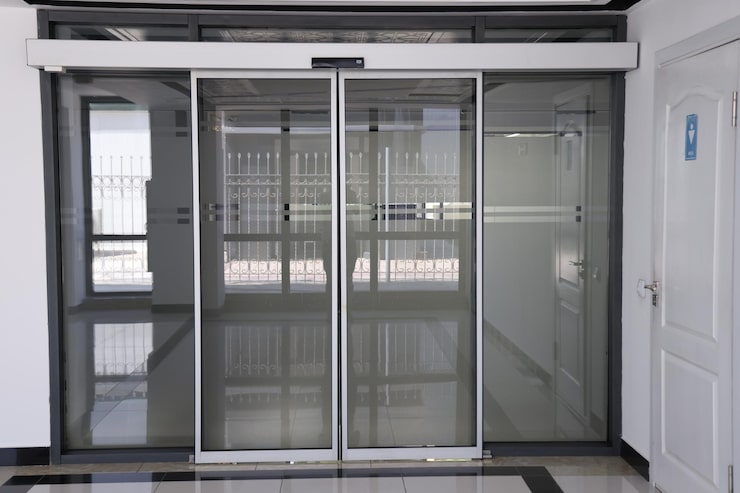
Check the sensors, rollers, tracks and the motor regularly (preferably every three to six months) to keep an automatic sliding door in good working order. Clean tracks of dirt, test sensor reaction time, lubricate moving parts, and check drive belt tension. Regular preventative maintenance will minimize unexpected malfunctions and will considerably increase the operating life of the system.
An automatic sliding door is one of the hardest-working components in any commercial building. It operates hundreds of times daily, often in high-traffic environments like hospitals, retail malls, and office lobbies. For facility managers and building owners in Singapore, keeping these systems in peak condition is not just about convenience it directly affects safety, energy efficiency, and long-term asset value. This guide walks you through everything you need to know about preventive maintenance, common failure points, and when to call in a professional.
Why Preventive Maintenance Matters for Automatic Sliding Doors
Reactive maintenance (fixing things as they break) is costly and disruptive. A bad door during business hours is not just a safety concern but an inconvenience to the tenants. Preventive maintenance, in contrast, finds wear before it causes failure.
In Singapore, the Building and Construction Authority (BCA) classifies automatic entrance systems as mechanical equipment that requires routine inspections under the Workplace Safety and Health Act. Regular service keeps building owners compliant and minimizes their exposure to liability.
A properly maintained system uses less energy as well. A misplaced drive belt or a damaged roller will make the motor work harder and draw more power every time it cycles. That adds up on your utility bill over time.
Key Components to Inspect and Maintain
1. Sensors: The System’s Eyes
Sensors are the first line of detection. Most automatic sliding door systems use either microwave (radar) sensors or infrared presence detectors — sometimes both. When sensors underperform, doors either fail to open or, worse, close on someone mid-passage.
What to check:
- Clean sensor lenses with a dry, lint-free cloth monthly
- Test detection range and response time every quarter
- Check for interference from nearby lighting, especially fluorescent or LED strips
- Verify that the safety sensor (presence detector) triggers an immediate reversal on obstruction
In Singapore’s humid climate, condensation can affect sensor calibration. If a door is behaving erratically — opening and closing without apparent cause — start your diagnosis with the sensors before assuming a motor or controller issue.
2. Rollers: Load-Bearing and Often Overlooked
Rollers support the full weight of the door panel as it slides along the top track. Over time, they accumulate dust, debris, and grit — especially in Singapore’s outdoor-facing or semi-outdoor entrances where humidity and particulate matter are constant factors.
Maintenance steps:
- Inspect rollers visually for flat spots, cracking, or deformation every three months
- Remove accumulated debris using compressed air or a soft brush
- Check roller bearings for smooth rotation — any grinding or resistance is a red flag
- Replace worn rollers promptly; a failing roller puts uneven load on the motor
Worn rollers are a leading cause of noisy door operation. If your door has started making a grinding or scraping sound, the rollers are the most likely culprit.
3. Tracks: The Foundation of Smooth Operation
Upper and lower tracks guide the door panel throughout its travel path. Dirt, debris, and even small objects lodged in the bottom track can cause the door to stall, jerk, or go off-alignment.
Track maintenance checklist:
- Clean the bottom guide track weekly in high-traffic areas
- Inspect the upper track for corrosion or physical damage every six months
- Check track alignment using a level — even a slight bow causes uneven wear
- Apply appropriate lubricant (silicone-based, not oil-based) to the upper track surface
Never use WD-40 or similar penetrating oils on door tracks. They attract dust and grime, which compounds the very problem you’re trying to solve. Use a dry silicone lubricant instead.
4. Motor and Drive System: The Heart of the Mechanism
The motor and drive belt (or rack-and-pinion system, depending on the model) translate electrical energy into the smooth, controlled movement of the door panel. Motor performance degradation is gradual — which is exactly why it gets missed until the system fails completely.
What to monitor:
- Listen for unusual sounds during operation — clicking, humming, or stuttering indicate stress
- Check drive belt tension; a slack belt causes inconsistent speed and missed positions
- Review the motor’s opening and closing speed against manufacturer specifications
- Inspect electrical connections for corrosion or loose terminals, particularly in coastal or air-conditioned environments in Singapore
Most modern automatic door controllers log error codes. Train your facility management team to review these logs regularly — they often flag motor load anomalies weeks before a visible fault appears.
Recommended Maintenance Schedule
| Task | Frequency | Performed By
|
|---|---|---|
| Clean bottom track and sensor lenses | Monthly | In-house maintenance |
| Test sensor detection and reversal response | Quarterly | In-house or technician |
| Inspect rollers, drive belt, and lubricate tracks | Every 3–6 months | Certified technician |
| Full system diagnostic and motor performance check | Annually | Authorised service provider |
| Review controller error logs | Monthly | In-house maintenance |
When to Call a Professional for Sliding Door Repair
Some tasks are straightforward enough for an in-house team. Others require trained hands. Knowing the line between the two saves time and prevents accidental damage to sensitive components.
Call a professional for sliding door repair when you observe:
- The door fails to reach its fully open or closed position consistently
- The motor runs but the panel does not move (likely a drive belt or coupling failure)
- Error codes appear on the controller that are not resolved by a reset
- The door reverses mid-cycle unexpectedly without an obstruction present
- Physical damage to the door panel, frame, or upper track bracket
Attempting to force a stalled door or bypass safety sensors is dangerous and may void your system warranty. Always isolate power before any hands-on inspection of the motor or electrical components.
Auto Door Maintenance in Singapore: Local Considerations
Singapore’s tropical climate introduces specific maintenance challenges that differ from temperate-climate guidance. High ambient humidity accelerates corrosion on metal components. Monsoon seasons bring increased dust and particulate matter through building entrances. Air-conditioned interiors create condensation at threshold zones — directly affecting sensor performance and bottom track integrity.
For auto door maintenance in Singapore, building owners should account for these environmental factors in their servicing intervals. High-traffic buildings — particularly those near MRT exits, food courts, or healthcare facilities — should increase inspection frequency to monthly rather than quarterly.
Engaging a provider qualified in automatic door servicing familiar with Singapore’s building codes and BCA guidelines ensures your maintenance programme remains compliant and insurable.
Signs Your System Needs Immediate Attention
Do not wait for a scheduled service if you notice any of the following:
- Door speed has noticeably slowed or become inconsistent
- Visible gap between door panels when fully closed
- Grinding, scraping, or high-pitched squealing during operation
- Door fails to open during a power fluctuation or generator switchover
- Safety sensors do not trigger reversal when tested manually
Each of these symptoms points to a specific component failure. Acting early on these signs prevents minor issues from compounding into a full system replacement — which costs significantly more than a targeted repair or component swap.
For facility managers and building owners looking for a reliable, specification-grade solution backed by professional servicing support, Multiwall offers GEZE automatic sliding door systems with access to trained technical support in Singapore. Whether you are planning a new installation or need to bring an ageing system back to optimal performance, partnering with a specialist ensures the work is done right the first time.