


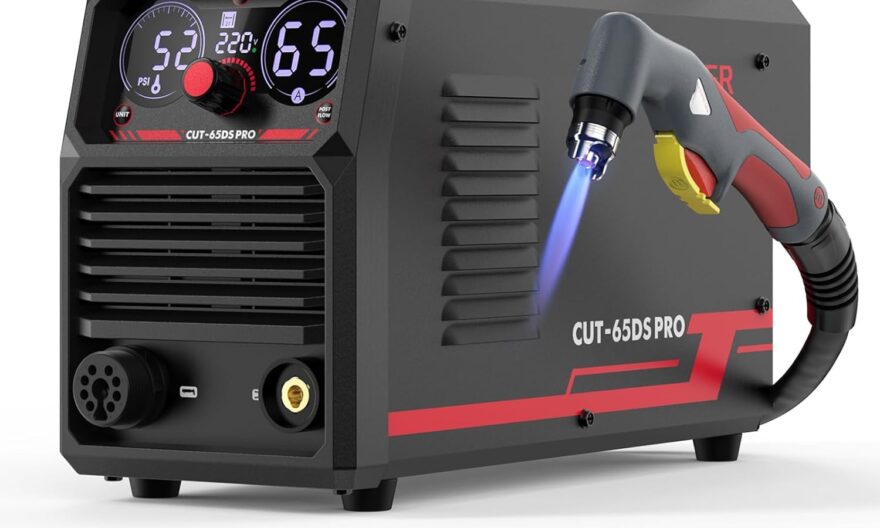
Metal fabrication depends on precision and speed. In today’s fast-paced industry, using outdated tools slows progress and weakens output. A Plasma Cutting Machine solves this problem with clean cuts, faster cycles, and greater flexibility. In Singapore, workshops now rely on this tool to meet rising demands in construction, automotive, and product design.
Older equipment, like the chisel mortising machine, still holds value in woodworking. But when metal enters the picture, plasma cutters outperform most manual methods. This article explores how plasma technology supports sharper, cleaner, and more efficient work across industries.
Understanding the Plasma Cutting Process
Plasma cutting uses a focused jet of hot gas to slice through metal. This stream forms when an electric arc meets compressed air or gas. It melts the metal and pushes it aside in a single motion.
The tool works on:
- Stainless steel
- Aluminium
- Mild steel
- Copper and alloys
Compared to blades or drills, the plasma method removes less material and reduces heat distortion. This means less waste and tighter shapes.
By adjusting the current and gas, operators can manage depth and speed. These settings make the Plasma Cutting Machine suitable for thin sheets and thick plates alike.
Benefits of Plasma Cutting for Fabrication
In fabrication, time, cost, and accuracy matter. A Plasma Cutting Machine brings key advantages:
- Speed: Cuts through metal much faster than saws or grinders
- Accuracy: Produces narrow kerf widths and clean edges
- Ease of use: Requires less training to operate
- Versatility: Works on coated, painted, or rusty metals
- Reduced cleanup: Leaves fewer burrs or sharp remains
This combination helps workshops finish more work in less time. As labour costs rise in Singapore, such savings grow more important.
Comparing Plasma Cutting to Traditional Tools
To understand its value, compare plasma cutting to more traditional options such as the chisel mortising machine.
Mortising tools carve square or rectangular holes in wood. They suit joinery, not metalwork. Even in woodworking, chisel mortisers demand skill, strength, and time.
In contrast, plasma tools:
- Require less physical effort
- Handle a wider range of materials
- Connect easily to CNC systems
- Support automation and repeat use
Where chisel mortisers cut timber for furniture, plasma tools shape steel for frames, machines, or fixtures.
Table: Plasma vs. Chisel Mortising for Fabrication Tasks
Here’s a quick table to highlight differences between the two tools:
| Feature | Plasma Cutting Machine | Chisel Mortising Machine |
| Material | Metals | Wood |
| Speed | Fast | Moderate |
| Accuracy | High | Depends on operator skill |
| Automation | Supports CNC | Manual or semi-automatic |
| Use Case | Industrial metal cutting | Furniture and carpentry joints |
| Maintenance | Moderate | Low |
Use this table to match tools to your project type.
Applications Across Industries
Plasma cutting supports a wide range of fabrication tasks in Singapore. Workshops now use this method in sectors such as:
1. Construction
- Steel frames, panels, and brackets cut with plasma tools speed up site assembly. They allow workers to create repeatable shapes off-site before transporting them.
2. Automotive
- Shops craft brackets, body panels, or exhaust parts quickly using plasma. Its precision helps when forming complex shapes that need repeatability.
3. Manufacturing
- Assembly lines rely on exact metal parts. Plasma cutters reduce variation and fit well into robotic setups. They also let makers cut single parts for small batches.
4. Art and Decor
- Even metal signs, grilles, and sculptures benefit from clean plasma cuts. Artists can translate digital patterns into physical forms with ease.
Key Features That Improve Workflow
Many Plasma Cutting Machines come with advanced controls that let users quickly adjust for different materials. Some key features include:
- Pilot arc ignition – Starts without touching the metal
- CNC compatibility – Links with software to cut patterns
- Dual voltage – Switches between power levels
- Portable models – Lightweight for field work
Each feature removes barriers that slow the job. For example, pilot arcs reduce wear on tips and let users cut painted or rusty surfaces without grinding.
Improving Workplace Safety and Quality
Cutting metal involves risk. Sparks, heat, and fumes can harm workers or damage surroundings. Plasma systems improve safety by limiting those risks.
Benefits include:
- Smaller heat-affected zones
- Less noise compared to grinding
- Safer ignition methods
- Better fume extraction setups
Cleaner cuts also mean fewer sharp edges. Workers spend less time grinding or sanding the finish. This adds safety and reduces handling errors.
Maintenance and Care
While these machines offer high performance, they still need upkeep. Simple steps help them last longer:
- Clean the torch regularly
- Replace worn consumables like tips and electrodes
- Check gas flow and air filters
- Inspect cables for wear
- Store in dry, dust-free places
Good habits ensure that your Plasma Cutting Machine performs with full strength over time.
Training and Skill Growth
Though easy to learn, plasma tools still require safe handling. Training should include:
- Understanding current settings
- Adjusting torch height
- Recognising arc quality
- Managing noise and heat
- Safe shutdown and restart practices
In fabrication, skill growth leads to better results. Training also prevents waste, saves materials, and builds worker confidence.
When to Choose Plasma Over Other Methods?
Deciding when to switch to plasma depends on project needs. Choose plasma if:
- You cut metal often
- You need consistent shapes
- You work on large sheets or plates
- You plan to use automated systems
- You want to reduce the time per cut
In contrast, smaller shops may still use a chisel mortising machine for fine woodworking. But when it comes to steel or aluminium, plasma beats manual tools every time.
Integrating Plasma Cutting with CNC Systems
CNC (Computer Numerical Control) helps plasma tools work with precision. Operators design the shape in software, load it into the machine, and let the cutter trace the path.
Benefits of CNC with plasma include:
- Fast repetition of designs
- Minimal human error
- Cleaner cuts with less post-work
- Control over kerf width and angle
Singapore’s smart factories now blend plasma tools with digital systems. This shift increases production while reducing waste.
Sustainability and Material Use
Metal costs money. Plasma systems waste less. The narrow cut width, or kerf, means less metal turns to scrap. Clean edges reduce the need for extra sanding or reshaping.
Many workshops also:
- Reuse leftover sheets
- Use nesting software to plan cuts
- Sort metals for recycling
- Avoid water or oil-based coolants
By cutting cleaner and planning better, users reduce both cost and impact.
Final Thoughts
Fabrication continues to evolve. In Singapore’s tight and busy industrial world, every second counts. A Plasma Cutting Machine changes how workshops shape metal — faster, safer, and with less waste.
Where tools like the chisel mortising machine serve niche woodworking needs, plasma tools dominate metal shaping. From construction sites to factory lines, they help teams work smarter, not harder.
If your project demands clean cuts, tight tolerances, and fast turnarounds, consider plasma cutting as your next step forward. Stronger tools lead to stronger builds.