


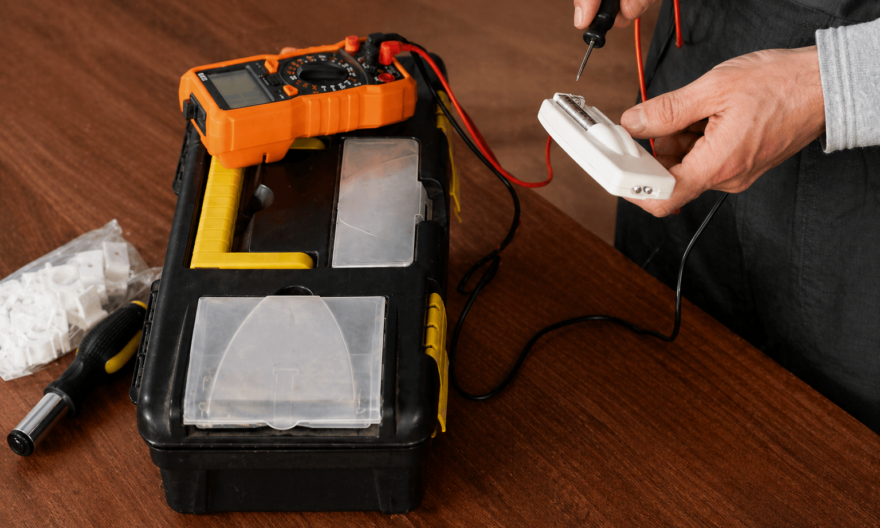
The production line stops operating whenever one calibration error occurs. The situation in Singapore results in businesses losing time and financial resources, which sometimes leads to contract cancellations.
Teams frequently skip essential steps during calibration processes because they want to complete their work faster. The result? Wrong readings, which cause failed audits and create unexpected safety hazards.
The guide explains all electrical calibration errors which occur most frequently, together with their corresponding solutions. The tips will assist you in maintaining your calibration work, whether you manage it internally or use professional calibration services.
Table of Contents
- What Is Electrical Calibration
- Mistake 1 — Skipping Environmental Controls
- Common Electrical Calibration Mistakes and How to Avoid Them
- In-House vs Professional Electrical Calibration Services
- How Atlantic Solutions Can Help
- Conclusion
- FAQs
What Is Electrical Calibration and Why Does It Matter
The process of electrical calibration tests whether your measurement instrument produces accurate results. The assessment requires comparison with an authentic reference material. The instrument needs calibration when measurement results show discrepancies.
The concept appears straightforward. The situation becomes severe when people execute the task incorrectly.
Every day in Singapore, the electronics, oil and gas, and healthcare sectors require precise measurement systems to operate. The Singapore Accreditation Council establishes the official regulations. Your organisation cannot meet the standards when your instruments produce inaccurate results.
Common Electrical Calibration Mistakes and How to Avoid Them
Even small errors in electrical calibration can lead to inaccurate results.
Mistake 1: Skipping Environmental Controls
Environmental factors like heat, moisture, and vibration can quietly affect readings. Even a well-calibrated tool may give wrong results if the surroundings are not stable.
What Goes Wrong
- Readings shift due to temperature changes
- Moisture affects sensitive components
- Vibrations disturb measurement stability
How to Avoid It
- Always calibrate in a stable, controlled space
- Let the instrument settle for at least 30 minutes before use
- Record the room temperature and humidity each time
Small steps make a big difference here.
Mistake 2: Using Unverified Reference Standards
Calibration depends on comparison. If your reference tool is not accurate, your results will not be accurate either.
What Goes Wrong
- Errors pass from one tool to another
- Results lose credibility
- Compliance issues arise
How to Avoid It
- Use reference standards that are certified and traceable
- Ensure they link to recognised bodies like national metrology centres
- Review and recalibrate your reference tools regularly
If the base is wrong, everything built on it will be wrong.
Mistake 3: Ignoring Calibration Schedules
All instruments drift over time. What works today may not work the same way tomorrow. Delaying calibration may save time now, but it creates bigger problems later.
What Goes Wrong
- Gradual loss of accuracy
- Failed inspections or audits
- Product quality issues
How to Avoid It
- Build a clear calibration schedule
- Set reminders to stay consistent
- Adjust frequency based on usage and environment
Factors to Consider
- How often the instrument is used
- Working conditions
- Importance of the readings
- Manufacturer recommendations
Consistency keeps your system reliable.
Mistake 4: Weak Documentation
Calibration without records is like work without proof. Even if everything is done right, missing records can still cause problems.
What Goes Wrong
- No trace of past calibration
- Difficulty during audits
- Trouble identifying recurring issues
How to Avoid It
Keep clear and complete records that include:
- Date of calibration
- Instrument ID and serial number
- Reference tool used
- Readings before and after adjustment
- Technician’s name
- Next calibration due date
A simple digital system helps keep everything organised and easy to access.
Mistake 5: Ignoring Measurement Uncertainty
Every measurement has a margin of doubt. This is called measurement uncertainty, and it plays a key role in accuracy.
What Goes Wrong
- Results appear more precise than they are
- Risk of accepting borderline measurements
- Issues in high-precision industries
How to Avoid It
- Always include uncertainty values in calibration reports
- Understand the acceptable tolerance limits
- Use proper methods to calculate uncertainty
This step shows that your results are not just numbers, but reliable data.
Mistake 6: No Pre-Calibration Check
Jumping straight into calibration without checking the instrument is risky. A damaged or dirty tool will not give correct results.
What Goes Wrong
- Faulty instruments pass as accurate
- Time wasted on incorrect calibration
- Safety risks increase
How to Avoid It
- Inspect the instrument before calibration
- Look for physical damage or wear
- Clean contacts and check connections
- Replace faulty parts if needed
A five-minute check can save hours of rework.
In-House vs Professional Electrical Calibration Services
| Factor | In-House | Professional Services |
| Cost | Lower at first | Better value long-term |
| Traceability | Depends on your setup | Always accredited |
| Skill level | Limited to your team | Trained specialists |
| Records | You manage them | Certificates included |
| Audit readiness | Varies | Consistently ready |
| Timing | Flexible | Scheduled |
For high-stakes measurements, professional electrical calibration services take the pressure off your team.
How Atlantic Solutions Can Help
Atlantic Solutions provides reliable electrical calibration services to different industries from its base in Singapore.
The company works together with electronic companies, manufacturing plants, and industrial operations. Their process covers full traceability, clean documentation, and fast turnaround. The calibration certificates you receive will remain valid during any audit process.
Atlantic Solutions provides a dependable solution when your organisation needs to handle calibration work but lacks the resources to do so.
Conclusion
Electrical calibration functions as an essential process because it serves multiple crucial purposes. The process safeguards operations while delivering accurate results according to established standards. The company will face major problems when workers overlook even the smallest errors.
The correct method will help you to prevent all of these errors. You need to concentrate on maintaining standards through your trained personnel who operate under controlled conditions. The organisation needs to maintain accurate documentation that follows a steady format throughout its operations.
If you want extra support, Atlantic Solutions is ready to help. Get in touch with their team and find out what proper electrical calibration services can do for your business.
FAQs
What is electrical calibration?
The procedure involves comparing a measuring device against an established benchmark to establish its accuracy. The instrument undergoes calibration when its measurements do not correspond to the required standards. Your business maintains compliance while precise measurements produce accurate results through this method.
How often should I calibrate my instruments?
The calibration schedule depends on both the frequency of instrument usage and the significance of measurement results. Most makers suggest every 6 to 12 months. Instruments that experience high usage or operate in extreme conditions require more frequent calibration testing.
Why use professional electrical calibration services?
The professional services provide accredited calibration, which includes complete documentation and traceable results. The system provides necessary documentation for audit purposes and ensures compliance with ISO standards and Singapore industrial regulations. The system eliminates operational responsibilities from the internal workforce.
What happens if I skip calibration?
Your instruments will provide you with incorrect measurements, which you will not be able to identify. This results in defective products which do not pass inspection and create potential safety hazards. The regulated industries face penalties or certification loss when they fail to comply with regulations.