

Home healthcare ranks as one of the most challenging professions available to workers. Most caregivers work without the essential tools which they need for their job. The growing need for elder care equipment in Singapore has become urgent because more people choose to age at home.
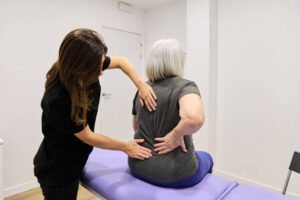
Healthcare workers sustain back injuries through patient lifting and transferring activities, which lack safety equipment. The activity stands as the primary reason that home healthcare workers experience back strain injuries.
This blog covers what a portable patient lifter is, why it matters, and how it helps home healthcare providers in Singapore do their job more safely and efficiently.
What Is a Patient Lifter, and Why Does It Matter?
A patient lifter is a device that helps move a person from one place to another, such as from a bed to a wheelchair or chair. The system eliminates required physical work, which protects both nurses and patients from sustaining injuries.
These devices are common in hospitals, yet their application remains limited to home care settings.
How a Portable Patient Lifter Solves the Problem
A portable patient lifter is made for home use. It is compact, easy to move, and works well in small spaces like bedrooms and bathrooms.
In practice, the caregiver places a soft sling under the patient, either lying down or seated. The sling connects to the lifter, which gently raises the patient using a manual or electric system. The caregiver guides the movement while the machine handles the effort.
Key Benefits at a Glance
- Reduces physical strain on caregivers
- Improves patient comfort and dignity
- Fits easily into small home spaces
- Moves or folds for easy storage
- Supports different weights and mobility levels
Types of Portable Patient Lifters
The correct equipment selection requires assessment of three factors, which include patient requirements, caregiver setup and existing space.
Manual Hydraulic Lifters
The system operates through a hand pump, which enables operators to raise and lower patients. The system functions as a low-maintenance solution because it operates without needing to be charged and costs less than other systems.
Electric Patient Lifters
The devices operate through a battery-powered motor, which users control by using a remote. The system requires less physical effort from caregivers, which makes it suitable for situations where one person needs to provide assistance.
Sit-to-Stand Lifters
The devices meet the needs of patients who maintain partial walking abilities. The patient uses a support pad for standing assistance while the device provides standing support without requiring a complete sling.
What Makes Handicapped Lift Systems Different for Home Use
Many handicapped lift systems are made for hospitals, so they are large and heavy. However, home-use versions are designed very differently.
The home needs a lifter, which must have portable features to be useful in home settings. The device needs to pass through standard doorways, which requires it to fold when not in use and its sling attachments to function, so one caregiver can use them. The base should have adjustable features that enable movement around beds and furniture.
Choosing the Right Portable Patient Lifter for Home Healthcare
Home healthcare requires the proper selection of portable patient lifters, which depends on evaluating three essential practical elements.
Patient Weight and Mobility
The assessment requires both patient weight evaluation and determination of their required support level. Most lifters handle 150kg to 200kg, but always confirm before buying.
Number of Caregivers
An electric model performs better than manual equipment when one person handles all transfer operations. The system decreases worker requirements while achieving better operational efficiency.
Space and Layout at Home
Measure all dimensions, which include doorways, bathroom access, and bed space. A lifter with an adjustable base helps move easily in tight areas.
Ease of Sling Attachment
Search for slings which provide easy positioning. Colour-coded hooks or straps make setup quicker, especially for non-mobile patients.
Safety Tips for Using a Patient Lifter at Home
Using a patient lifter safely at home is just as important as choosing the right equipment.
- Check the Sling Before Use: Always inspect the sling for tears, loose stitching, or wear. Even minor damage can lead to failure during lifting.
- Lock the Wheels Securely: Ensure the lifter’s brakes are engaged before starting. This keeps the device stable and prevents sudden movement.
- Communicate Clearly with the Patient: Explain each step before and during the transfer. This helps reduce fear and keeps the patient relaxed.
- Follow Weight Limits Strictly: Never exceed the manufacturer’s weight capacity. Overloading can damage the lifter and increase the risk.
Conclusion
A portable patient lifter is not a luxury item — it is a practical tool that protects both the caregiver and the patient. For home healthcare providers in Singapore, it is one of the most sensible investments available.
The proper handicapped lift system provides home caregivers and professional caregivers with a solution that improves their daily work. The system reduces injury risk while enhancing patient satisfaction and enabling the continuous delivery of superior healthcare services.
Frequently Asked Questions
What is a portable patient lifter used for?
A portable lifter helps move patients who have limited or no mobility from one surface to another — such as from a bed to a wheelchair or a chair to a toilet. The system operates through a sling which uses its mechanical or electric lifting system to perform heavy lifting tasks while protecting caregivers from physical strain.
Can a single caregiver use a patient lifter alone?
Most portable patient lifters exist as devices that one caregiver can operate. The electric models with remote controls enable users to perform solo transfers with great ease. The particular model selected, together with the patient’s health status, determines how easily the system can be operated.
Are portable patient lifters suitable for HDB flats in Singapore?
You can use this equipment when you select a product that has a flexible base and a narrow folding design. You need to measure your doorways and essential areas before you make a purchase. Home-use models are created to meet the needs of people who live in small spaces.
What is the difference between a portable patient lifter and a standard handicapped lift system?
A standard handicapped lift system is often ceiling-mounted or fixed to a structure, designed for permanent installation. The portable patient lifter functions as a mobile device which remains free from dedicated space requirements because users can transport it between different rooms without needing any setup work.