


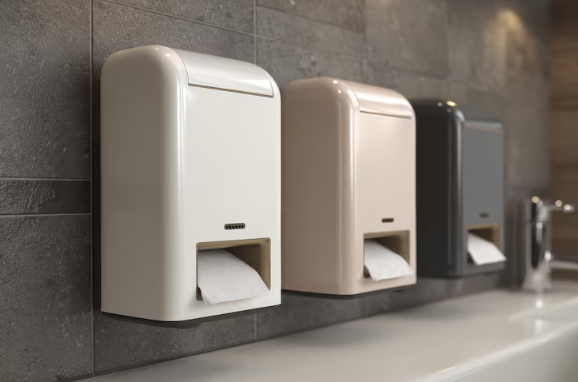
Managing busy shopping centres demands smart choices. A broken unit creates long queues and frustrated visitors. Choosing reliable toilet paper dispensers stands as a critical decision for any mall manager. These fixtures face constant use from thousands of daily shoppers. Pick durable models that withstand kicks, jams, and heavy pulls. This guide walks you through tough materials, smart placement, and simple maintenance. You will learn how to keep washrooms running smoothly without constant repairs. Good units save staff time and keep visitors happy. Let us explore what makes a dispenser ready for high-traffic challenges.
Why High-Traffic Areas Need Tough Dispensers
Busy mall washrooms serve thousands of people daily. At the same time, a standard unit breaks or jams under such pressure. Therefore, you need dispensers that withstand heavy use without constant fixes.
- Look for locked covers that stop theft and tampering
- Choose see-through fronts, so staff spot empty rolls fast
- Pick models with few moving parts to reduce breakdowns
Robust designs cut maintenance costs and keep queues short. While a broken dispenser leaves shoppers frustrated. Therefore, a good unit delivers paper every time without fail.
Understanding Different Types of Dispensers
Mall managers face a choice between two main systems. Each option changes how your team handles refills and waste.
Standard Roll Holders
These simple units hold one large roll. At the same time, they work well for medium traffic but need frequent checks in busy malls.
Jumbo Roll Dispensers
Jumbo rolls hold more paper than standard ones. Therefore, a single jumbo roll serves up to 2,000 people. At the same time, this cuts refill trips by half. While your cleaners spend less time unlocking units and more time on other tasks.
Smart Placement for Better Flow
Where you mount these fixtures changes how visitors move through the washroom. At the same time, good placement stops crowding and keeps lines moving.
- Install units near each toilet stall for quick access
- Keep dispensers at waist height for easy reach
- Leave space between units to avoid bumping elbows
Poor placement creates bottlenecks. While watching traffic patterns during peak hours. At the same time, move units that cause blocking. Therefore, a small changes in position make a big difference to washroom flow.
Entry Zone Placement
Mount one dispenser near the washroom entrance. While this unit serves people who forget to check their stall. At the same time, it also catches parents who need paper before helping small children.
Stall-by-Stall Mounting
Each stall needs its own dispenser. Therefore, a shared units between stalls create waiting and frustration. While a dedicated unit per stall speeds up every visitor’s visit.
Matching Dispensers with Towel Dispensers
Mall washrooms need both paper towel dispensers and toilet units to work as a team. Wet hands without towels create messy floors. Slippery surfaces lead to falls and complaints.
Choose towel units that fold paper into small pieces. This design gives each person a fresh sheet. It also stops one visitor from taking too many towels. Cleaners find fewer paper piles on counters and floors.
Placement Near Sinks
Mount towel units within arm’s reach of every sink. Visitors should not walk more than two steps with dripping hands. Water drops on the floor create slip hazards and extra cleaning work.
Waste Bin Coordination
Place waste bins directly below each towel dispenser. This simple move catches falling paper before it hits the floor. Train cleaners to empty bins before they overflow. A full bin pushes towels onto the floor.
Easy Maintenance for Busy Teams
Your cleaning staff holds the key to success. Complex units slow down their work. Simple designs speed up every task.
Open the dispenser with one hand while holding a new roll. Push the paper through the slot without folding or threading. Snap the cover shut in one motion. Every step saved adds minutes back to the day.
Train your team to spot early signs of wear. Cracked plastic or loose hinges warn of future failure. Fix small problems before they become big breaks.
Staff Training Checklist
- Show each team member how to open every dispenser type
- Practice one-handed refills during training sessions
- Test locking mechanisms after each refill
- Report broken parts on the same day of discovery
Material Choices That Last
Mall washrooms face moisture, dust, and hard knocks. Choose materials that fight back against these forces.
- Stainless steel resists rust and dents from cleaning carts
- Heavy plastic does not crack in cold storage rooms
- Coated metal stops graffiti from sticking
Cheap plastic cracks after six months of heavy traffic. Metal costs more upfront but lasts for years. Count the replacement costs of cheap units. You will see that quality pays off.
Surface Finishes
Brushed metal hides fingerprints and water spots. Glossy finishes show every mark. Choose matte or brushed surfaces for public washrooms. These finishes look cleaner between scheduled wipings.
Final Thoughts
Selecting toilet paper dispensers for malls requires looking past today’s price. Focus instead on five years of trouble-free use. A good toilet paper dispenser choice serves 10,000 visitors without a single jam. Test one model in a busy washroom before buying fifty units. Watch how it survives Saturday crowds. Ask your cleaners for their honest opinion. They know which designs work and which waste time. Their daily experience guides you to the right choice for your mall. Invest in quality now, and your future self will thank you every single day.
Frequently Asked Questions
- How often should busy mall washroom units get checked?
Staff should inspect all units every two hours during peak shopping times. Morning and evening checks catch problems before crowds arrive. Quick rounds prevent empty units and frustrated visitors.
- What causes dispensers to jam so frequently?
Jams happen when visitors shove too much paper into the slot or when rolls spin unevenly inside. Broken internal gears and bent covers also stop paper from feeding out smoothly.
- Can one person refill all units during a shift?
Yes, but only if the mall uses identical models throughout every washroom. Matching units let staff carry one key and learn one refill method. Different designs slow down the entire team.
- How does a manager know when to replace old units?
Replace any unit that jams weekly or shows cracks near the hinges. Loose covers that fall open signal the end of useful life. Five years mark a sensible replacement cycle for heavy use.