

A beautiful space does more than look good. It shapes how people work, shop, relax, and live every day.
Yet many people assume all interior design follows the same rules. That belief often leads to poor planning, wasted budgets, and spaces that fail to meet their purpose. A busy office has very different needs from a family home.
Understanding those differences is essential before starting any design project. This guide explains the key distinctions between commercial interior design and residential interior design, including goals, materials, regulations, budgets, and design processes.
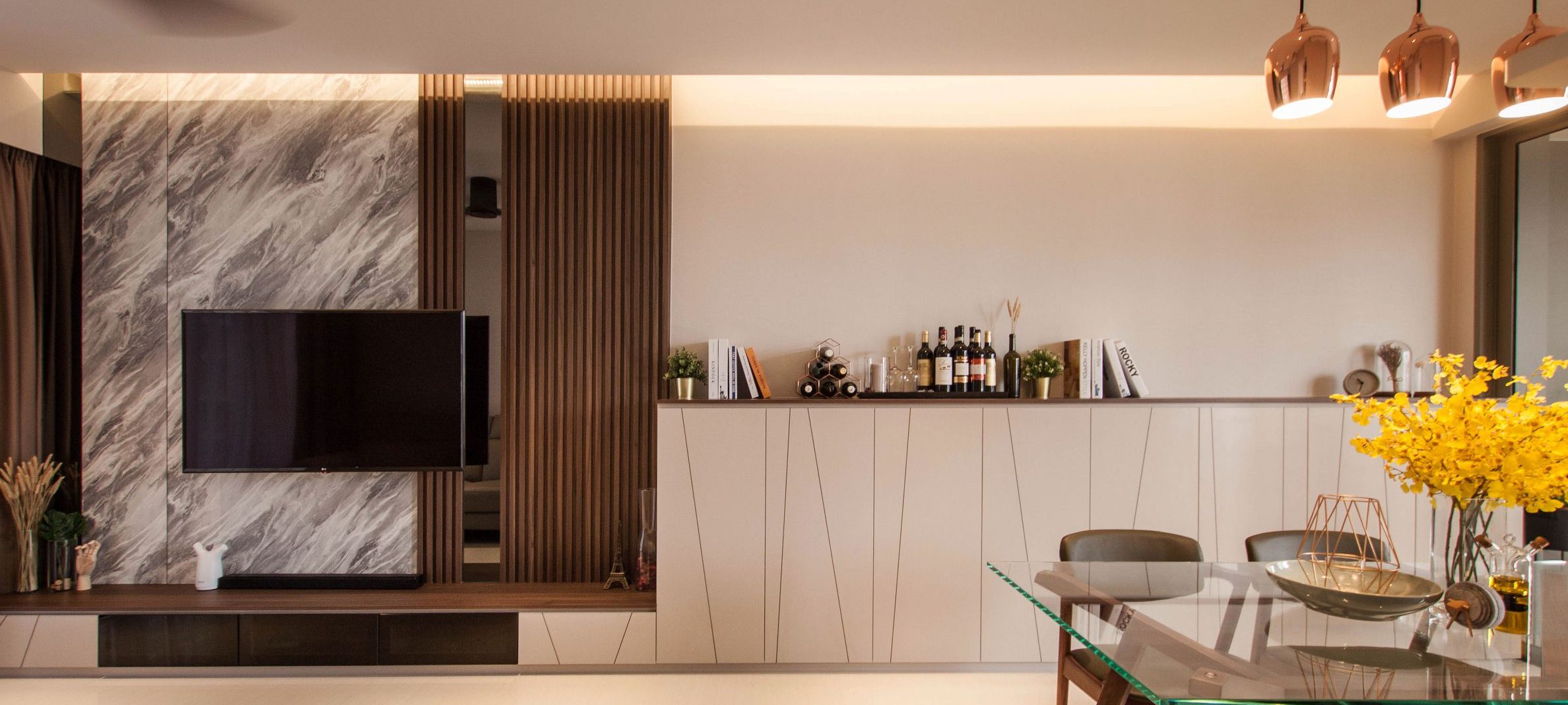
What Is Commercial Interior Design?
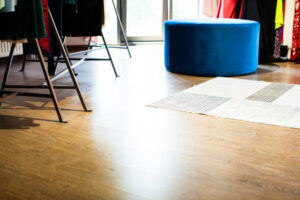
Commercial interior design includes all business operational areas which serve commercial functions. The list includes offices, restaurants, retail stores, hotels, clinics and co-working spaces.
The designer must create an attractive environment which extends beyond basic visual appeal. The space needs to function properly for business operations, brand representation and daily user activities.
A well-planned office layout design will boost employee work efficiency. The right restaurant floor design enables businesses to serve customers more quickly while generating increased profit. All design choices lead directly to specific business results which need to occur.
Common Objectives of Commercial Spaces
A commercial environment often aims to:
- Improve productivity
- Support customer flow
- Strengthen brand image
- Increase revenue opportunities
- Meet legal requirements
- Enhance employee wellbeing
As a result, every design choice serves a business purpose.
What Is Residential Interior Design?
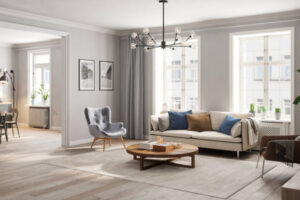
Residential interior design works with houses, which include HDB flats, condos, landed properties and private apartments. The goal shifts entirely. The space requires comfort and personal style, and it needs to show how actual families live during their regular days.
A good residential designer listens to how you cook, where your kids do homework, and whether you prefer warm lighting or cool tones. It is deeply personal work.
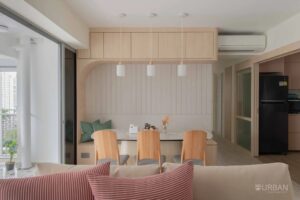
The interior design industry for condominium apartments has developed as an independent market in Singapore. The management corporation sets fixed floor plans and operational rules which apply to all condo units in the building.
The 5 Key Differences Between Commercial and Residential Design
1. Purpose and Priority
Commercial spaces base their design on operational requirements and corporate branding needs. Every element — from the reception desk to the lighting temperature — serves a strategic purpose.
Residential spaces are built around the people living there. People base all their choices on their need for comfort, together with their preferred way of living and their individual preferences.
2. Budget and Scale
Most commercial projects require budgets that exceed their regular funding limits. The construction of a single office space in the CBD requires an investment that reaches into the six-figure range.
Residential budgets are more contained. The complete interior design renovation of a Singapore condo will cost thousands of dollars based on the unit dimensions and selected materials.
3. Materials and Durability
Contract-grade materials serve commercial areas because they provide sufficient strength to stand up to regular business activities. A busy café requires its flooring to endure the constant foot traffic of hundreds of people who also bring spills and chair movements throughout each day.
Residential materials prioritise comfort and aesthetics. The space includes soft furniture along with warm textures and finish selections which focus on tactile experience instead of durability standards.
4. Regulations and Compliance
Commercial interior design projects must follow more stringent rules than residential construction work. Businesses need to follow all fire safety codes, accessibility standards, building approval procedures and their particular industry requirements.
Residential projects also have regulations, such as renovation guidelines and condo management rules. Homeowners receive increased design freedom because the compliance process for individual properties remains simple to navigate.
5. The Design Process
In commercial projects, the designer works with a team. The team includes brand managers, operations directors, and contractors who work alongside facilities managers when they become involved.
In residential design, the relationship is between the designer and the homeowner. The dining table serves as the actual location for decision-making instead of the typical boardroom environment.
Where Condo Interior Design Fits In
Condo interior design falls under residential interior design, but designers must solve distinct problems which affect this specific area of work.
Limited Space Requires Smarter Design
Most condominiums have less floor area than traditional homes.
Therefore, designers focus on:
- Built-in storage
- Multifunctional furniture
- Open layouts
- Vertical storage solutions
- Light-enhancing finishes
These techniques maximise every square metre.
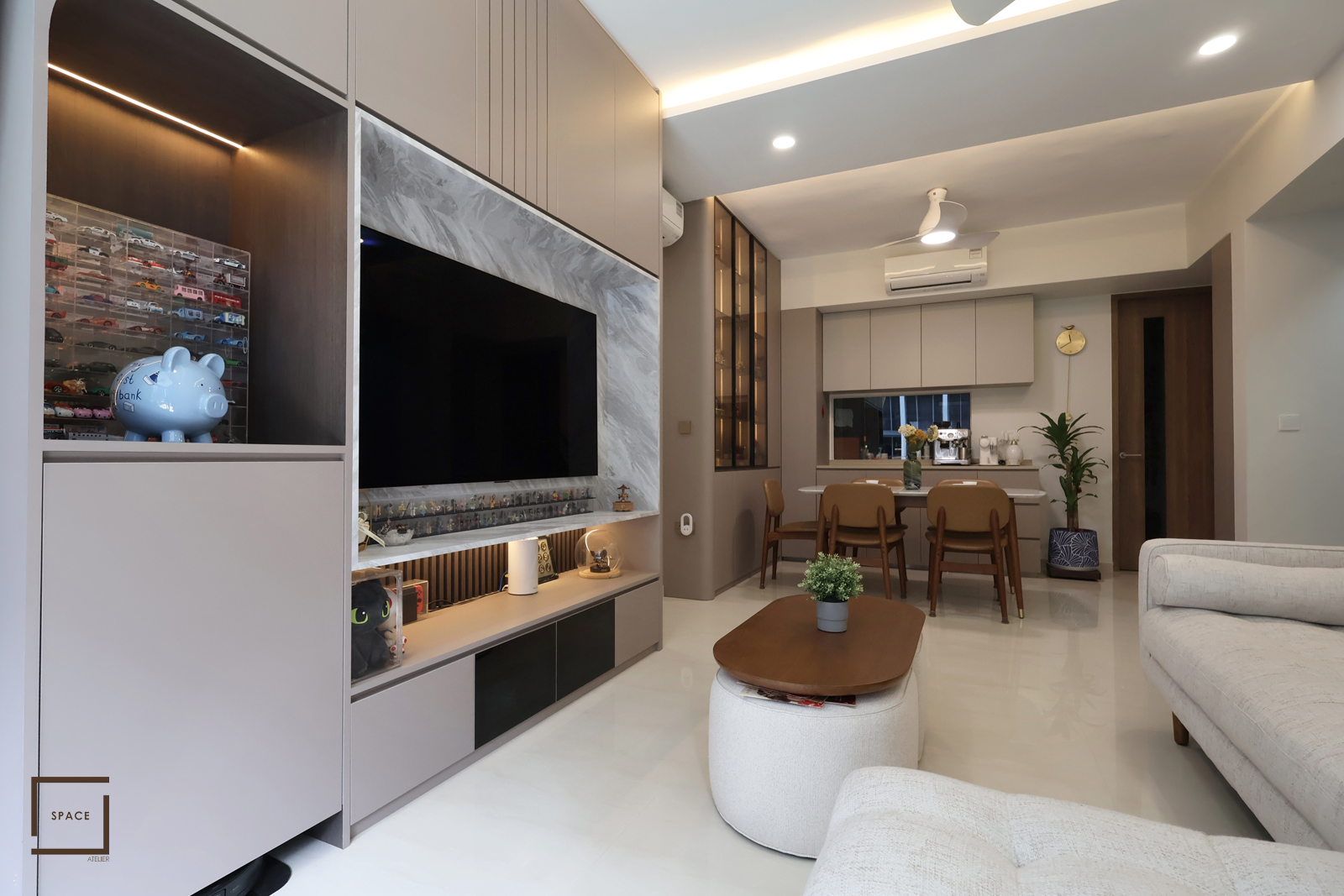
Building Rules Can Affect Design Choices
Many condominium developments have restrictions regarding:
- Structural changes
- Flooring materials
- Renovation schedules
- Mechanical systems
Designers must work within these guidelines while still creating a personalised space.
Choosing the Right Interior Design Approach
Choosing the right type of interior design helps create a space that looks good, works well, and meets long-term needs.
Choose Commercial Interior Design
Commercial interior design works best for business support areas which welcome employees together with their customers and guests.
- Workspaces need to create environments which enable staff to achieve their best results while working together as a team
- Retail stores need to enhance their customer movement patterns to increase their revenue generation
- Restaurants, hotels, healthcare facilities, and educational institutions
Choose Residential Interior Design
The design of residential interiors excels when it transforms houses into functional areas which serve as personal relaxation areas and daily living spaces. The design process works to create home solutions which fulfil lifestyle requirements, personal preferences and home needs.
- Houses designed around family life and daily routines
- Flats and apartments that require efficient use of space
- Villas and condo interior design projects that reflect personal style
Final Thoughts
The distinction between commercial interior design and residential interior design extends beyond their visual differences. Commercial spaces maintain their focus on business goals, operational efficiency, brand identity and regulatory compliance.
Residential spaces focus on comfort, lifestyle, and personal expression. The two organisations work to build operational environments which unite practical features with aesthetic beauty, but they focus on different organisational targets.
The different types of construction require property owners, business leaders, and homeowners to understand these distinctions before they begin their projects. The specific needs of each design field become essential to understand because they will help you achieve success when designing new offices, retail stores, home renovations and condo interiors.
FAQs
What is the main difference between commercial and residential interior design?
Commercial interior design focuses on business goals, brand identity, and heavy daily use. Residential design prioritises personal comfort and lifestyle. The two situations require completely distinct materials and must follow different regulatory rules while operating under separate operational systems.
Is condo interior design considered residential or commercial?
Condo interior design is residential. I need to collaborate with a designer who understands Singapore condominiums because the management corporation rules and developer-imposed restrictions create specific challenges for this situation.
Are commercial interior designers more expensive than residential ones?
Yes. The larger scope of commercial projects, together with their multiple compliance requirements and extended project duration, results in higher expenses. The design fees depend on the particular designer, the size of the project and the level of difficulty which must be handled during the process.
Can a residential interior designer take on commercial projects?
Technically, yes, but it is not always advisable. Commercial projects need designers to understand building codes and fire safety regulations, and contract-grade materials, which home designers usually do not use.
What should I look for in a commercial interior designer in Singapore?
Search for designers who have finished commercial work comparable to your project, who understand building codes and BCA requirements, and who can explain project schedules and cost estimates.