

Commercial pest control is a critical component of workplace health and safety. Pests such as rodents, cockroaches, and flies carry pathogens that contaminate surfaces, food, and air. Businesses that fail to manage infestations risk employee illness, regulatory penalties, and reputational damage. A structured pest management programme directly reduces these risks while supporting compliance with occupational health standards.
For HR managers and business owners, pest control is rarely the first item on a safety checklist — but it should be. A single unaddressed infestation can shut down operations, trigger health authority inspections, and create significant legal liability. Understanding how commercial pest control connects to employee safety and regulatory compliance is no longer optional. It is a business necessity.
Why Pests Are a Direct Workplace Health Hazard
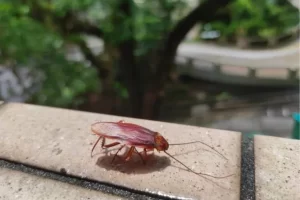
Pests are not just a nuisance. They are active vectors of disease. Rodents carry leptospirosis, a bacterial infection transmitted through urine that can contaminate water sources and food prep areas. Cockroaches are known to spread Salmonella and E. coli by moving across food surfaces and utensils. Mosquitoes remain a significant vector for dengue fever, which continues to affect thousands of Malaysians annually.
In Malaysia, the Ministry of Health reported tens of thousands of dengue cases each year, with workplace clusters documented in commercial and industrial settings. When employees work in infested environments, they are exposed daily — and often without awareness that the source of illness is the building itself.
The Hidden Costs of Ignoring Pest Infestations
Beyond illness, pest infestations carry financial consequences that compound over time. Consider what an unmanaged infestation actually costs a business:
- Sick leave claims from employees exposed to pest-borne illness
- Structural damage from termites or rodents chewing through wiring and insulation
- Product or inventory losses in warehouses and food storage areas
- Regulatory fines and enforcement actions from authorities
- Reputational damage if clients, customers, or media become aware
A pest problem discovered during a client visit or government inspection causes damage that is far harder to repair than the infestation itself. Prevention is measurably cheaper than remediation.
Commercial Pest Management and Regulatory Compliance in Malaysia
Malaysia’s Occupational Safety and Health Act 1994 (OSHA 1994) places a legal duty on employers to maintain a safe working environment. While the Act does not explicitly name pest control, the obligation to protect employees from biological hazards — which includes pest-borne pathogens — falls squarely under its provisions.
Food-handling businesses face additional scrutiny under the Food Act 1983 and Food Hygiene Regulations 2009. These regulations require that premises be kept free from pests and that pest control records be maintained and available for inspection. Failure to comply can result in suspension of business licences.
What Regulators Look for During Inspections
When local authorities or the Department of Environment conduct workplace or premises inspections, pest management documentation is a standard checkpoint. Inspectors typically look for:
- Evidence of a current pest control contract with a licensed provider
- Treatment logs and inspection reports
- Corrective action records for identified infestations
- Staff training records related to hygiene and pest awareness
Businesses without structured commercial pest management documentation are immediately flagged as non-compliant, regardless of whether an active infestation is visible.
How a Structured Pest Prevention Programme Works
Effective pest prevention is not a one-time treatment. It follows an Integrated Pest Management (IPM) approach — a systematic method that combines inspection, identification, treatment, and monitoring in repeated cycles. This is the industry standard recommended by pest management professionals and adopted by compliant businesses across sectors.
A well-structured commercial pest prevention programme typically includes:
- Initial Site Assessment: A licensed technician inspects the premises to identify existing infestations, entry points, high-risk zones, and environmental conditions that attract pests.
- Customised Treatment Plan: Based on the assessment, targeted treatments are applied — chemical, biological, or physical — relevant to the specific pest types and premises layout.
- Scheduled Monitoring Visits: Regular follow-up inspections ensure treatments remain effective and new activity is caught early.
- Documentation and Reporting: Every visit is logged and a written report is provided, supporting your compliance records for audits and inspections.
- Staff Briefing: Employees are informed of warning signs and basic hygiene practices that reduce pest attractants.
This cycle approach ensures that pest activity does not escalate between treatment intervals and that the workplace maintains a consistently safe environment.
Workplace Hygiene as the First Line of Defence
Pest control professionals consistently point out that chemical treatments alone cannot sustain a pest-free environment. Workplace hygiene is equally critical. Pests thrive where food waste, moisture, and clutter create ideal conditions. Without addressing these factors, even the most thorough treatment will see reinfestation within weeks.
HR managers play a direct role here. Establishing clear workplace hygiene policies — covering pantry cleanliness, waste disposal schedules, storage protocols, and reporting procedures for pest sightings — creates a culture where employees are active participants in pest prevention, not passive observers.
High-Risk Areas That Demand Closer Attention
Certain areas within commercial premises carry higher pest risk and should be prioritised in any pest management plan:
| Area | Primary Pest Risk | Key Prevention Action
|
|---|---|---|
| Pantry / Canteen | Cockroaches, rodents, flies | Sealed food storage, regular waste removal |
| Server Rooms / Electrical Panels | Rodents, ants | Cable management, gap sealing |
| Loading Docks / Warehouses | Rodents, stored-product insects | Perimeter monitoring, dock sealing |
| Landscaped Areas / Drains | Mosquitoes, termites | Water management, tree trimming |
| Storerooms | Termites, cockroaches | Regular decluttering, raised shelving |
Understanding where pests concentrate helps facilities managers and HR teams allocate attention and budget more efficiently.
The Business Case: Pest Control as a Risk Management Tool
Progressive business owners and HR leaders are increasingly framing pest control not as a maintenance cost but as a risk management investment. The logic is straightforward. A pest-related incident — whether a health complaint, a regulatory notice, or a media story — carries far greater financial and reputational cost than a structured annual pest management contract.
For businesses operating in food and beverage, hospitality, healthcare, logistics, or office-dense environments in Malaysia, this framing is especially relevant. These sectors face the highest exposure to pest-related risk and the strictest regulatory expectations.
What to Look for in a Commercial Pest Control Provider
Not all pest control providers deliver the same standard of service. When evaluating a provider for your business, consider the following criteria:
- Licensed by the Pesticides Board of Malaysia under the Pesticides Act 1974
- Experienced with your specific industry or premises type
- Provides detailed written reports after every service visit
- Uses approved, low-toxicity treatments appropriate for occupied commercial spaces
- Offers a responsive support line for urgent pest activity between scheduled visits
A credible provider will also conduct a pre-service site assessment before quoting — not offer a one-size-fits-all price over the phone.
Making Pest Control Part of Your Workplace Safety Framework
The most effective approach is to integrate pest management formally into your organisation’s occupational health and safety framework. This means including pest control in your annual safety planning, budgeting for it as a recurring operational expense, and assigning a named internal contact responsible for coordinating with your pest service provider.
For HR managers, this also means incorporating pest awareness into employee onboarding and periodic safety briefings. Employees who understand what to report and how to report it become an early warning system that helps your pest control provider respond faster.
If your business operates across multiple locations in Malaysia, ensure each site is covered under a consistent pest management programme — not just the head office. Infestations do not respect organisational charts.
Skill Termite offers structured commercial pest management solutions across Malaysia, supporting businesses in maintaining compliant, safe, and pest-free work environments. Their approach combines licensed expertise with site-specific treatment plans designed to meet the practical demands of commercial operations.
Frequently Asked Questions
Is commercial pest control a legal requirement for businesses in Malaysia?
Under Malaysia’s Occupational Safety and Health Act 1994 and Food Hygiene Regulations 2009, employers must maintain a safe and hygienic workplace. For food-related businesses, pest control records are a direct compliance requirement. Other commercial premises also carry an implicit duty to manage biological hazards, which includes pests.
How often should a commercial premises be treated for pests?
Most commercial premises benefit from monthly or bi-monthly scheduled treatments, depending on the industry, size, and risk level. High-risk environments such as food production facilities, warehouses, and healthcare settings typically require more frequent monitoring and treatment cycles to maintain compliance and safety standards.
What pests are most commonly found in Malaysian commercial buildings?
The most common pests in Malaysian commercial premises include cockroaches, rodents, termites, ants, and mosquitoes. Termites pose a structural threat while rodents and cockroaches are primary carriers of disease. Mosquitoes remain a dengue risk, particularly in buildings with poor water drainage or landscaped outdoor areas.
Can pest infestations affect employee productivity and morale?
Yes. Employees who encounter pests regularly report lower comfort levels, increased anxiety, and reduced confidence in management’s care for their wellbeing. In severe cases, pest-related illness leads to absenteeism. Addressing infestations promptly signals to staff that the organisation takes their safety seriously.
What documentation should a business keep for pest control compliance?
Businesses should retain service agreements, treatment logs, inspection reports, and any corrective action records. These documents demonstrate due diligence during regulatory audits and provide a clear history of pest management activities across the premises, which is particularly important for food-handling and healthcare businesses.
How do I know if my current pest control programme is effective?
Effectiveness is measured by reduced pest sightings between visits, absence of new damage or contamination, and clean inspection reports. A good provider will track trends across visits and flag if activity is increasing. If infestations persist after consecutive treatments, the programme or provider should be reviewed.
Read Also:- Modern Pest Control in Malaysia: Trends, Technologies and Prevention Tips