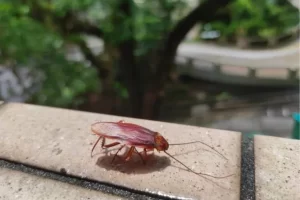
Termites gnaw through Singapore homes without a single warning. These tiny insects thrive in the island’s warm, wet weather. They sneak inside through hairline cracks, build nests inside walls, and feast on wooden frames. Most homeowners spot the damage too late. Doors jam. Floors buckle. Paint peels away from hollow wood. That is why termite pest control is not an extra expense but a true necessity.
The hidden destruction does not pause for holidays or repairs. A small colony turns into a full invasion within months. Without professional pest control families risk losing furniture, floorings, and even the building’s strength.
This guide explains why termite pest control matters, what signs to watch for, and how simple steps keep your home safe from silent chewers.
The Hidden Threat Under Your Floorboards
Most people imagine termites as tiny white ants. They are not ants, but the confusion makes sense. The two insects build their nests by forming organised colony structures. The two species establish connections through their formation of substantial groups. Ants create their nests in areas which people can observe. Termites build their nests inside walls, under floors, or deep in the soil. You will not spot them until the damage surfaces.
Singapore’s building designs often use wood for frames, cabinets and decorative panels. This wood attracts termites like a magnet. Subterranean termites, the most common species in Singapore, tunnel from the ground into buildings. They construct mud tubes along foundation walls. These tubes keep them moist while they travel. Homeowners who ignore these signs pay a heavy price later.
Termite pest control stops this cycle before the colony explodes. Professionals inspect hidden corners, apply treatments and block entry points. Without this intervention, a home loses its strength piece by piece.
How Termites Enter a Home Without Permission
Termites do not knock. They slip through cracks in concrete, gaps around pipes and expansion joints in slabs. A gap as thin as a credit card gives them access. Once inside, they follow moisture and cellulose (the fibre found in wood and paper). Kitchens, bathrooms and storage rooms become their favourite spots.
The queen termite lays thousands of eggs each year. Workers go out daily to gather food. They do not rest. They do not take holidays. They chew continuously. Over time, the damage becomes obvious. Doors jam. Floors buckle. Paint blisters. Skirting boards crumble when touched. By then, termite pest control turns into an emergency task rather than a routine check.
Real Dangers of Ignoring Termite Activity
Many homeowners think termites only damage old furniture. That idea costs them dearly. Here is what happens when you ignore termite activity:
Structural collapse risk – Termites hollow out wooden beams that hold up ceilings and upper floors. A weakened beam snaps without warning.
Health issues – Termite droppings and shed wings trigger allergies in children and elderly family members.
Decreased property value – Buyers avoid homes with past termite damage. Selling such a property becomes difficult.
Expensive repairs – Replacing damaged frames and floors costs much more than regular inspections.
Termite pest control protects your wallet and your family’s safety. It also saves the emotional distress of watching your home fall apart.
Early Signs That Demand Immediate Action
You do not need special training to catch termites early. Look for these clues around your home:
- Mud tunnels running along walls, pillars, or pipes
- Hollow-sounding wood when you tap on it
- Discarded wings near windowsills or doors
- Tiny holes in wooden surfaces with dirt-like material nearby
- Swarms of flying insects after rainfall
If you notice any of these signs, call a professional for pest control in Singapore residents trust. Do not wait for the problem to grow. Termites do not stop eating on their own.
Simple Steps to Keep Termites Away
Prevention works better than cure. You can reduce termite risk without spending too much time or money. Here are practical steps for every household:
Reduce moisture – Fix leaking taps and pipes. Keep bathrooms and kitchens dry. Termites need water to survive. A dry home repels them naturally.
Remove wood-to-ground contact – Do not store firewood, lumber, or old furniture directly on soil. Raise wooden items on metal stands.
Seal cracks – Fill gaps in your home’s foundation and walls. Use cement or sealant to block termite highways.
Inspect regularly – Walk around your home every three months. Check dark corners, under sinks and behind cupboards.
Schedule professional checks – Even clean homes face termite risks. A yearly inspection by a pest control in Singapore expert catches issues early.
These steps sound simple, but they work. Families who follow them rarely face severe infestations.
Why DIY Methods Fall Short
You might see sprays and baits in shops. They look helpful. However, most home products only kill visible termites. They miss the colony hidden inside walls or underground. A queen termite keeps laying eggs faster than any spray can kill. Professional termite pest control targets the entire colony. Experts use special baits, liquid barriers and monitoring stations that wipe out termites at the source.
Another problem with DIY methods involves safety. Untrained people misapply chemicals. They might put poison near food storage or children’s play areas. Professionals follow safety rules and apply treatments where termites actually travel.
Benefits of Acting Without Delay
Speed matters in termite control. Every day you delay gives termites more time to chew. Here is what quick action gives you:
- Peace of mind knowing your home stays strong
- Lower repair bills compared to major fixes
- Healthier indoor air without termite droppings
- Higher resale value if you ever move out
- Protection for sentimental wooden items like photo frames or heirlooms
Homes that receive regular termite pest control enjoy longer lifespans for wooden structures. Owners sleep better knowing no hidden enemy eats their property from inside.
Final Thoughts
Singapore’s climate will not change. Termites will not disappear. But you can protect your home with smart choices and professional termite pest control. Do not wait for floors to sag or walls to crack. Look for the signs. Reduce moisture. Seal gaps. Schedule regular checks by a pest control Singapore provider who knows local termite behaviour.
Your home shelters your family. Do not share that shelter with silent destroyers. Act today, sleep peacefully tomorrow and keep your property standing strong for years to come.
Frequently Asked Questions
1. How often should I schedule termite pest control for my Singapore home?
You should arrange a professional inspection once every year. Some homes near wooded areas or parks need two checks per year. If you see signs of termites, call immediately without waiting for the next scheduled visit.
2. Can termites return after a professional treatment?
Yes, termites can return if conditions stay favourable. Professional termite pest control treatments create long-lasting barriers. However, new colonies may try to enter from untreated sides of the building. That is why annual inspections matter. Experts monitor the treated zones and refresh barriers when needed.
3. Is termite pest control safe for children and pets?
The current medical approaches use treatments which maintain low levels of toxicity. Professionals apply chemicals only in targeted areas. The treatments stay separate from all food items, toys and pet bedding materials. Most products dry within hours and pose no risk afterward. Always ask your service provider about safety steps before they start work.
4. Does home insurance cover termite damage in Singapore?
Most standard home insurance policies do not cover termite damage. Insurers view termite infestations as a preventable maintenance issue rather than a sudden accident. You need to pay for repairs and treatments from your own pocket. That fact makes termite pest control even more essential. Prevention costs much less than paying for full structural repairs later.