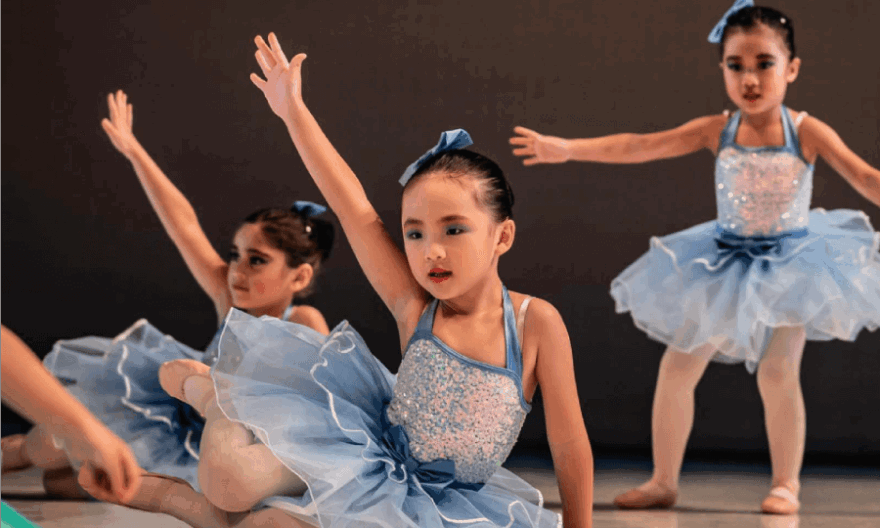
Music ignites joy in children or pulls them into movement with ease. Dance classes mould strength or rhythm, which becomes self-belief through steady practice. A trusted dance academy, such as Elevate Dance Academie, gives young dancers a space to train with purpose or heart.
In Singapore, parents seek programmes that build skills to shape character. From ballet to hip hop, each style stretches limits to uncover fresh talent. With the right guidance, every child can step into the studio to feel they belong.
Why Choose Dance For Your Child
Dance blends art with fitness. While it trains the body or feeds the mind. As a result, children grow stronger while learning rhythm control.
In addition, classes teach teamwork or respect. Therefore, young dancers listen, follow counts, or move in sync with others.
Key Benefits
- Builds balance or posture
- Strengthens muscles or flexibility
- Encourages creativity
- Improves memory or focus
- Nurtures confidence on stage
While many of these gains, many parents enroll their child in a structured programme that suits their age or level.
Ballet Classes For Young Dancers
Ballet forms the base of many dance styles. While it even shapes posture, grace, or control. Therefore, a well-planned kids ballet class in Singapore guides children through basic steps or arm positions for simple routines.
While teachers correct the stance or refine footwork from the start. Therefore, children build strong habits that last for years.
What Children Learn In Ballet
- Basic barre exercises.
- Proper turnout or posture.
- Simple jumps or spins.
- Short choreographed routines.
Over time, ballet sharpens discipline or patience. While children repeat movements until they master them.
How Ballet Builds Lifelong Skills
Ballet demands focus or steady effort. Even children memorise steps to follow musical cues. As they practise, they strengthen their core or improve alignment.
Furthermore, ballet teaches children to accept corrections with grace. They learn to adjust, refine, or try again. While this mindset supports growth in school or life.
K-pop Dance: Energy or Expression
K-pop dance bursts with power or sharp moves. Therefore, children enjoy its catchy music or bold style. At the same time, they train timing or coordination.
Instructors break routines into clear counts. Then, they help children stitch steps into a full routine.
Skills Gained From K-pop
- Rhythm control
- Group synchronisation
- Stage presence
- Fast footwork
While routines demand focus, children stay alert or move with precision.
Why Children Love K-pop
K-pop routines tell a story through movement. Therefore, children mirror their favourite idols or channel that energy into practice.
In addition, group dances build unity. Each child plays a part in the full routine. When they perform together, they feel proud of the shared result.
Hip Hop: Strong Moves or Big Attitude
Hip hop invites children to move with freedom. While they pop, lock, or glide to the beat. Even this style builds stamina or body control.
Moreover, hip hop encourages bold self-expression. Therefore, children shape their own style or add flair to each move.
What Makes Hip Hop Popular
- Street-inspired choreography
- Freestyle circles
- Beat-driven routines
- Strong stage attitude
As children train, they project confidence or hold the audience’s gaze.
Character Development Through Hip Hop
Hip hop classes foster courage. While a child steps forward, improvises, or owns the space. Therefore, they also learn respect for others in the circle. When one dancer performs, the rest watch or support. While this culture builds trust in teamwork.
Jazz Dance: Rhythm or Flow
Jazz blends technique with lively steps. While it combines leaps, turns, or expressive gestures. Therefore, in this balance, children gain control or flair.
Teachers design routines that test memory or rhythm. While step by step, children weave movements into smooth sequences.
Jazz Class Highlights
- Warm-up drills
- Across-the-floor practice
- Expressive choreography
- Performance preparation
Through steady training, young dancers sharpen their timing or coordination.
How Jazz Boosts Stage Confidence
Jazz demands strong facial expression or body language. While children learn to project emotion through movement.
As they rehearse, they polish transitions or sharpen lines. Therefore, when they step onto a stage, they stand tall or perform with pride.
Age Groups or Skill Levels
Dance classes welcome children from preschool to teens. Each age group follows a plan that suits the growth or focus span.
Early Childhood Classes
Younger children explore simple steps through games or music. Therefore, teachers use stories or imagery to spark imagination.
- Basic rhythm games
- Simple stretches
- Creative movement
These kids’ ballet class in Singapore sessions build comfort with music or group activity.
Primary School Programmes
Children in primary school tackle a clearer structure. While they memorise short routines or refine technique.
- Foundational drills
- Step combinations
- Introductory performances
As a result, they gain confidence or skill.
Teen Training Tracks
Older students pursue deeper techniques or longer routines. While teachers push stamina or precision. Even while they practise turns, leaps, or complex sequences. In turn, they develop strength or artistry.
Performance Opportunities or Growth
Stage experience shapes a young dancer. While performances allow children to showcase effort or celebrate progress.
Benefits Of Performing
- Builds courage
- Strengthens teamwork
- Sharpens memory
- Rewards hard work
When children rehearse for a show, they commit to practice. They learn to manage nerves or focus under pressure. Moreover, applause fuels motivation. While a single performance can spark lasting passion.
What To Expect In A Typical Class
Parents often wonder what happens inside the studio. Each lesson follows a clear structure.
Class Structure
- Warm-up to prepare muscles
- Technique drills
- Routine practice
- Cool-down stretch
Teachers lead from the front or correct form on the spot. While children listen, watch, or respond. As the weeks pass, routines grow sharper. Therefore, students refine posture, timing, or spacing.
Role Of Parents In A Child’s Dance Journey
Parents shape and guide a child’s dance journey from the first step to the first show. Even your support fuels courage and builds trust.
When you show real interest, your child feels proud and seen. While simple actions at home strengthen the skills they learn in class. With steady encouragement, children stay eager and push themselves to grow.
How Parents Can Offer Meaningful Support
- Attend performances and cheer for effort, not just medals
- Set up a small space at home for practice.
- Promote healthy habits like proper rest and water.
- Speak with instructors to track growth and set clear goals
Final Thought
Dance offers more than steps or routines; it forges focus, grit, or courage. Children who train with care learn to listen, adjust, or aim for progress. Through a caring dance academy like Elevate Dance Academie, families discover a place where growth meets creativity. Each class plants seeds of discipline or teamwork that reach beyond the studio. When children embrace movement, they build strength in body or mind. The journey through dance can guide them towards confidence that stays for years.
FAQ
What is the best age for a child to start dance classes?
Children can start as young as three or four years old. At this age, they enjoy music and simple movements. Early classes focus on rhythm, balance, and fun while building comfort in a group setting.
How many classes should my child attend each week?
Most beginners attend one or two classes each week. This schedule gives enough time to practise and improve without feeling tired. As skills grow, children can add more sessions based on interest and stamina.
What should my child wear to class?
Children should wear comfortable clothing that allows free movement. Fitted tops and stretchable bottoms work well. Proper dance shoes may be required for certain styles, while hair should stay neat and tied back.