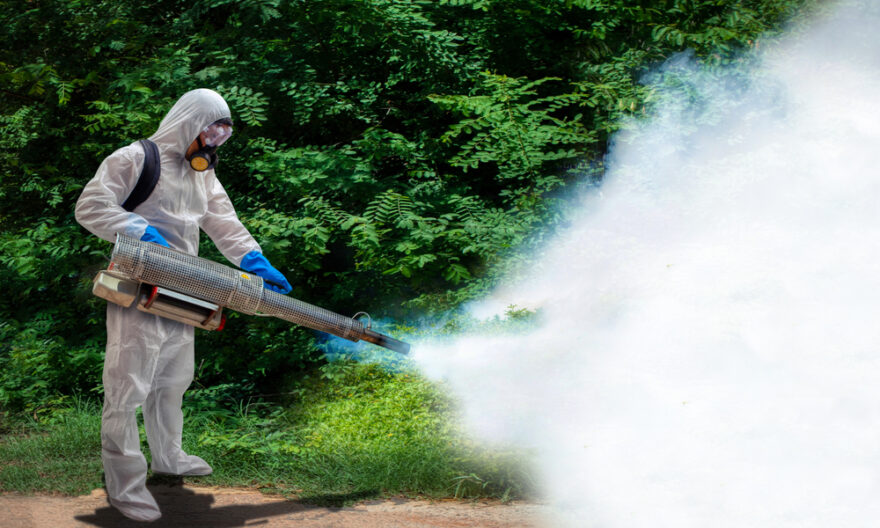
Mosquito fogging is widely used across Singapore as a rapid-response strategy to control mosquito populations — particularly adult mosquitoes that spread dengue and other vector-borne diseases. While fogging can deliver quick relief and significantly reduce mosquito activity in the short term, questions remain about its long-term impact and whether it alone can reliably curb outbreaks. This article examines how mosquito fogging works, how effective it really is, and what factors influence its success.
Hey there! If you’ve ever been to Singapore, you know that mosquitoes can sometimes be a real buzzkill (pun intended). These tiny creatures not only annoy us with their itchy bites but also pose serious health risks by spreading diseases like dengue fever. Therefore, mosquito control is crucial here, and we use mosquito fogging as one of the methods. Let’s dive into what mosquito fogging in Singapore is all about and whether it works.
Understanding Mosquito Fogging
Authorities use mosquito fogging as a method to control mosquito populations by spraying insecticides in a fine mist, targeting areas where mosquitoes breed and gather. The fogging solution typically contains chemicals that effectively kill adult mosquitoes on contact and can also reduce their numbers over time by targeting larvae and eggs.
How Mosquito Fogging Works
When the fogging machine disperses the insecticide, it forms a fog-like cloud that penetrates mosquito-hiding spots such as bushes, shrubs, and other foliage. The chemicals disrupt the nervous systems of mosquitoes, leading to their rapid demise.
Mosquito fogging is a widely-used technique to control mosquito populations. It involves dispersing a fine mist of insecticides into the air, which then settles on surfaces where mosquitoes rest. This method targets adult mosquitoes, effectively reducing their numbers. The insecticide disrupts the mosquitoes’ nervous systems, leading to their death. Fogging is typically carried out in areas with dense vegetation, stagnant water, and high mosquito activity.
Types of Chemicals Used
Common insecticides used in mosquito fogging include synthetic pyrethroids such as permethrin and deltamethrin, which effectively kill mosquitoes while being relatively safe for humans and pets when used properly.
Effectiveness of Mosquito Fogging in Singapore
Singapore has been battling mosquitoes for decades, especially due to the tropical climate in which mosquitoes thrive. Mosquito fogging has been a key part of the strategy to keep mosquito populations in check.
Historical Context
The National Environment Agency (NEA) of Singapore started systematic mosquito control efforts back in the 1960s. Fogging became a prominent method alongside larviciding and source reduction to combat diseases like dengue fever, which became a major public health concern.
Data and Statistics
Over the years, data has shown that mosquito fogging has played a significant role in reducing mosquito populations during outbreaks of diseases like dengue fever. For instance, during peak dengue seasons, fogging operations are intensified in areas with high mosquito activity.
Comparison with Other Methods
Fogging effectively reduces adult mosquitoes immediately, often combining with other methods such as larviciding (targeting mosquito larvae in water bodies) and community engagement (encouraging residents to remove stagnant water) for long-term control.
Factors Influencing Effectiveness
Several factors can influence how effective mosquito fogging is in controlling mosquitoes in Singapore.
Environmental Factors
Singapore’s urban environment, with its mix of green spaces and high-rise buildings, presents unique challenges. Mosquitoes breed in small pockets of stagnant water, found in areas ranging from construction sites to residential estates.
Impact of Weather Conditions
Weather plays a crucial role in mosquito fumigation in Singapore effectiveness. Rainfall can wash away insecticide residue, reducing its efficacy. Therefore, authorities often schedule fogging operations during periods of low wind and dry weather to maximize effectiveness.
Challenges Faced
Despite its effectiveness, fogging faces challenges such as resistance in mosquito populations to certain insecticides and logistical difficulties in reaching all potential breeding sites, especially in densely populated areas.
Sustainability and Health Concerns
While fogging is effective, there are concerns about its environmental and health impacts that need to be addressed.
Environmental Impact
The chemicals used in fogging can have adverse effects on non-target insects, aquatic life, and the environment if not applied properly or in excessive amounts. We make efforts to use environmentally friendly formulations and minimize ecological impact.
Health Risks
Exposure to insecticides used in fogging can pose health risks, especially to individuals with respiratory conditions or allergies. To mitigate this, authorities conduct fogging operations according to strict guidelines and inform residents in advance.
Mitigating Impacts
The NEA continuously reviews and updates its mosquito control strategies to reduce environmental and health impacts. It incorporates feedback from experts and residents during this process. Public education campaigns also emphasize personal protection measures like using insect repellents and wearing long-sleeved clothing.
Public Perception and Community Engagement
Feedback from residents and businesses is crucial in shaping mosquito fogging efforts and improving their effectiveness.
Community Involvement
Residents are encouraged to play an active role in mosquito fogging by removing stagnant water from their premises. They are also encouraged to report mosquito breeding sites to authorities. Community initiatives foster a sense of shared responsibility in combating mosquito-borne diseases.
Education and Awareness
Public outreach programs educate residents about the importance of mosquito fogging and how it fits into the broader strategy. Consequently, by understanding the reasons behind fogging operations, residents are more likely to support and cooperate with preventive measures.
Future Directions and Innovations
Looking ahead, advancements in technology and research are expected to enhance mosquito fogging efforts in Singapore.
Emerging Technologies
Research is underway to develop new insecticides with novel modes of action that can overcome mosquito resistance. Technologies like drones and automated spraying systems are also being explored to improve the efficiency and precision of fogging operations.
Government Initiatives
The Singapore government continues to invest in research and development to stay ahead of mosquito-borne diseases. Policies are being refined to integrate new technologies and best practices into mosquito fogging programs.
FAQ (Frequently Ask Question)
Q1: What is mosquito fogging and when is it used in Singapore?
A: Mosquito fogging involves spraying a fine mist of insecticide into outdoor or indoor areas to kill adult mosquitoes. In Singapore, National Environment Agency (NEA) uses it during dengue cluster responses and active mosquito-surveillance operations.
Q2: Does mosquito fogging effectively reduce dengue cases and mosquito populations?
A: While fogging can reduce adult mosquitoes in the short term, experts say there is no solid and consistent evidence that fogging alone reduces dengue incidence significantly. Fogging doesn’t address mosquito larvae or breeding habitats, so its long-term impact is limited.
Q3: Why isn’t fogging used routinely for mosquito control in Singapore?
A: Because fogging only kills adult mosquitoes it does not prevent new ones from emerging. NEA therefore emphasises that fogging should be used judiciously and not as a routine measure — source reduction remains the key strategy.
Q4: Are mosquito fogging chemicals safe for humans and pets?
A: Fogging uses registered insecticides at low concentrations. According to World Health Organization (WHO), fogging operations used for vector-control are not harmful to humans when conducted correctly. However, during fogging operations, precautions like closing windows or moving pets may be advised.
Q5: What should residents or businesses do before and during a fogging session?
A: Best practices include:
- Be notified in advance of fogging operations.
- Close windows, cover or remove exposed food/utensils, move pets or cover aquariums.
- Understand that fogging is a short-term measure: maintaining good hygiene and eliminating breeding spots is still essential.
Q6: What are the main limitations or drawbacks of mosquito fogging?
A: Key limitations include:
- It only kills adult mosquitoes present at the time; it does not affect larvae or eggs.
- Mosquitoes may move away or new ones breed quickly, so the effect is temporary.
- Frequent fogging may lead to insecticide resistance or impact non-target insects.
Q7: What other mosquito control methods should complement fogging?
A: Effective mosquito control in Singapore includes:
- Source reduction: removing stagnant water and breeding habitats.
- Larviciding or oiling of drains/traps.
- Community education and surveillance programmes.
Fogging works best as part of an integrated vector-control strategy.
Q8: When is fogging most effective (time of day, locations)?
A: Fogging is most effective when carried out in the early morning or late afternoon — when mosquitoes are active and the fog can stay near ground level. Location matters too: areas with high adult mosquito counts or during outbreaks.
Q9: Can individuals or private property owners conduct fogging themselves?
A: Fogging operations must be conducted by licensed operators and in accordance with regulations. Individuals should instead focus on preventing breeding sites, using repellents and protective measures.
Q10: How should I interpret fogging in my neighbourhood — does it mean a dengue risk?
A: Fogging in your area may indicate increased mosquito activity or a dengue cluster nearby. However, it does not guarantee zero risk. Continue practising mosquito-prevention habits (remove water, use repellent, cover skin) even after fogging.
Final Words
Mosquito fogging is an important part of Singapore’s strategy to control mosquitoes and prevent the spread of diseases like dengue fever. It has proven to be effective in reducing mosquito populations. Although there are challenges and concerns associated with fogging, ongoing initiatives to enhance fogging methods, minimize environmental and health impacts, and involve the community demonstrate Singapore’s commitment to safeguarding public health from mosquito-borne diseases.
Whether you live in Singapore or are just visiting, understanding the significance of fogging in the country’s mosquito control measures can help you recognize the collective endeavor to maintain a safe and pleasant environment for everyone. So, the next time you come across a notice about a fogging operation, remember that it is part of a larger mission to keep mosquitoes away and protect our communities’ well-being.