

There’s something quietly comforting about feeling safe at home. In Singapore, where high-rise living, busy neighbourhoods, and compact layouts are common, security takes on new shape. Whether you live in a condo, HDB flat, or landed home, placing your home security cameras with purpose strengthens protection where it matters most.
When you pick a CCTV camera for home Singapore families trust, where you place it makes the real difference. It’s not about buying more — it’s about putting each camera in a spot that sees clearly, works smartly, and protects without spying. This guide walks you through home security camera placement tips that help your system work harder and cover the right ground.
Why Does Camera Position Make a Real Difference?
Placing cameras without a plan often leaves blind spots, which weakens your home’s protection. If the camera misses key areas like doorways or shared spaces, it risks capturing nothing useful at all. When thoughtfully arranged, each camera watches the right angle without invading anyone’s privacy.
A well-placed camera strengthens your home’s defence. In crowded estates or compact apartments, careful placement also avoids pointing into a neighbour’s home, which helps prevent disputes or complaints.
Start with Every Entrance
Every doorway into your home deserves attention. These access points are where people come and go, and unfortunately, where intrusions often begin.
1. Focus on the Front Door
The front door is the most common entrance for guests and, sadly, for intruders too. Mount a camera just above or beside the doorframe. Place it high enough to avoid tampering but not too high that faces become unrecognisable.
Position it so it sees visitors head-on. Test its view during day and night to ensure it captures details clearly. If your unit shares a corridor, angle the lens inward to respect others’ space.
2. Don’t Forget the Back Door
Many homes have back entrances, especially landed properties and some condominiums. These quieter spots often go unwatched, making them targets.
Place a camera facing outward at the back door, watching for anyone approaching. Ensure there’s enough light, or use cameras that work well in dim areas. Avoid placing it where rain or plants might block the view.
Secure the Flow Within
Beyond the entrances, think about how people move inside your home. These paths — staircases, corridors, and open areas — should stay visible without becoming over-monitored.
1. Watch the Stairs and Hallways
In multi-storey homes, staircases link public and private zones. Install cameras above stair landings so you can see the full length of movement. For HDB or condo layouts, place a camera in the hallway leading from the main door, especially if it branches to several rooms.
The key is to track movement without making personal spaces feel exposed.
2. Keep an Eye on Common Rooms
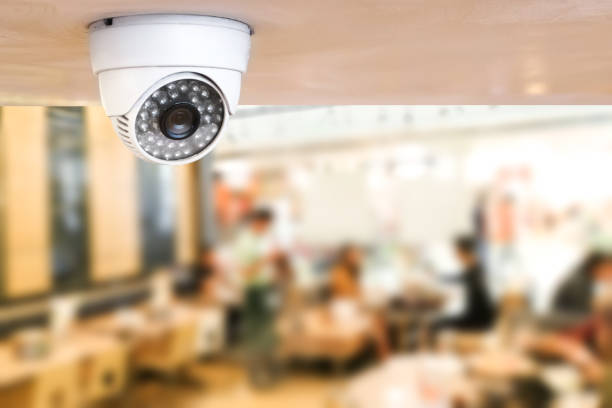
Living areas often hold valuables and connect to multiple rooms. A well-placed camera in the corner of the ceiling can watch the whole space. Position it high and angled downwards so it covers entry points, not the sofa or seating area directly.
This way, the camera works like a watchful eye, not a constant presence.
Protect Privacy Indoors
Security and privacy must work together. Not every room needs a camera — in fact, placing them in sensitive areas causes more harm than help.
1. Avoid Bedrooms and Bathrooms
Keep cameras out of private rooms. Instead, cover the paths leading to them. If you’re concerned about break-ins during the night, use door sensors or alarms that trigger silently rather than constant visual monitoring.
2. Respect Shared Spaces
If someone rents a room in your home, inform them about cameras in shared areas. Never place devices in their private quarters. Respect builds trust, and legal issues arise if privacy is ignored.
Placement Height and Angle Matter
Even the best camera loses purpose if it’s pointed in the wrong direction or installed too low. Aim for height, clarity, and wide coverage.
1. Mount Above Eye Level
Place cameras roughly eight feet from the ground. This height balances visibility and protection from tampering. Tilt the lens downwards so it sees clearly without missing activity at the doorstep or hallway floor.
2. Avoid Sunlight and Glare
When a lens points straight into a window or strong light, its vision weakens. Test during bright daylight and darker hours. Adjust until images appear clear and stable.
Stay Connected and Powered
Great camera placement also depends on steady power and a strong signal. No footage means no security, no matter how good the angle.
1. Stay Close to Power Sources
Cameras need power, either from batteries or sockets. Wired setups should connect neatly to nearby outlets without trailing cables. Rechargeable units must be easy to access for charging.
2. Ensure a Reliable Signal
Walls and furniture may weaken Wi-Fi. Position your router centrally, or use signal boosters. Check live footage before finalising any location. A frozen feed helps no one.
A Table for Common Layouts
Different homes need different plans. Below is a simple comparison showing how layout changes when you place your cameras. This helps you visualise what to prioritise.
Before using it, remember that every home deserves its own plan. Use this only as a general guide.
| Property Type | Suggested Placements |
| HDB Flat | Main door, corridor corner, living room ceiling |
| Condo Unit | Entryway, balcony door, shared space ceiling |
| Landed Property | Front gate, driveway, side windows, back door, staircase |
No two properties feel the same. Let your home’s design shape your setup, rather than copying from someone else’s. Test placements before making them permanent.
Always Test Before You Install
Before you drill, tape the camera temporarily. Walk through the space and check what it sees. Turn the lights on and off. Shut doors. Let the camera follow real movement.
Watch the footage. Can you see faces? Is the image steady and clear? Is anything blocking the view? Testing answers all these before you commit.
Conclusion
Installing a CCTV camera for home Singapore residents trust starts with placement — not just of devices, but of thought. Knowing where to focus your surveillance allows you to build layers of protection. With careful planning, each camera becomes a quiet guardian, watching without intruding.
Protecting your home doesn’t mean turning it into a fortress. It means creating confidence in your space. The right placement choices make your security system smarter, sharper, and more effective from day one.
FAQs
Where should I put cameras inside my flat?
Focus on key access points like the main entrance, hallway, and shared spaces. Keep private rooms off-limits for privacy.
Can I place a camera in my HDB corridor?
You can, but only if the camera faces your door and doesn’t capture neighbours’ units or common areas beyond your boundary.
How can I fix glare in my camera footage?
Avoid aiming cameras directly at windows or lights. Use curtains, position adjustments, or glare-reducing lenses to fix this.
Are wired or wireless cameras better in flats?
Both work, but wireless cameras offer flexibility. Make sure they have a strong signal and power source within reach.