

Many people spend a big part of their day inside an office. The look and feel of that space can change how someone does their work. A well-planned workplace boosts energy and lifts spirits. Yet, many offices feel dull or messy. This is where a commercial design firm steps into the picture. Such a team knows how to turn a boring room into a lively hub. They study how people move and work. Then, they reshape the area to fit those needs. This piece explores how expert design changes workspaces for the better. It also touches on how ideas from flat renovation can apply to office makeovers.
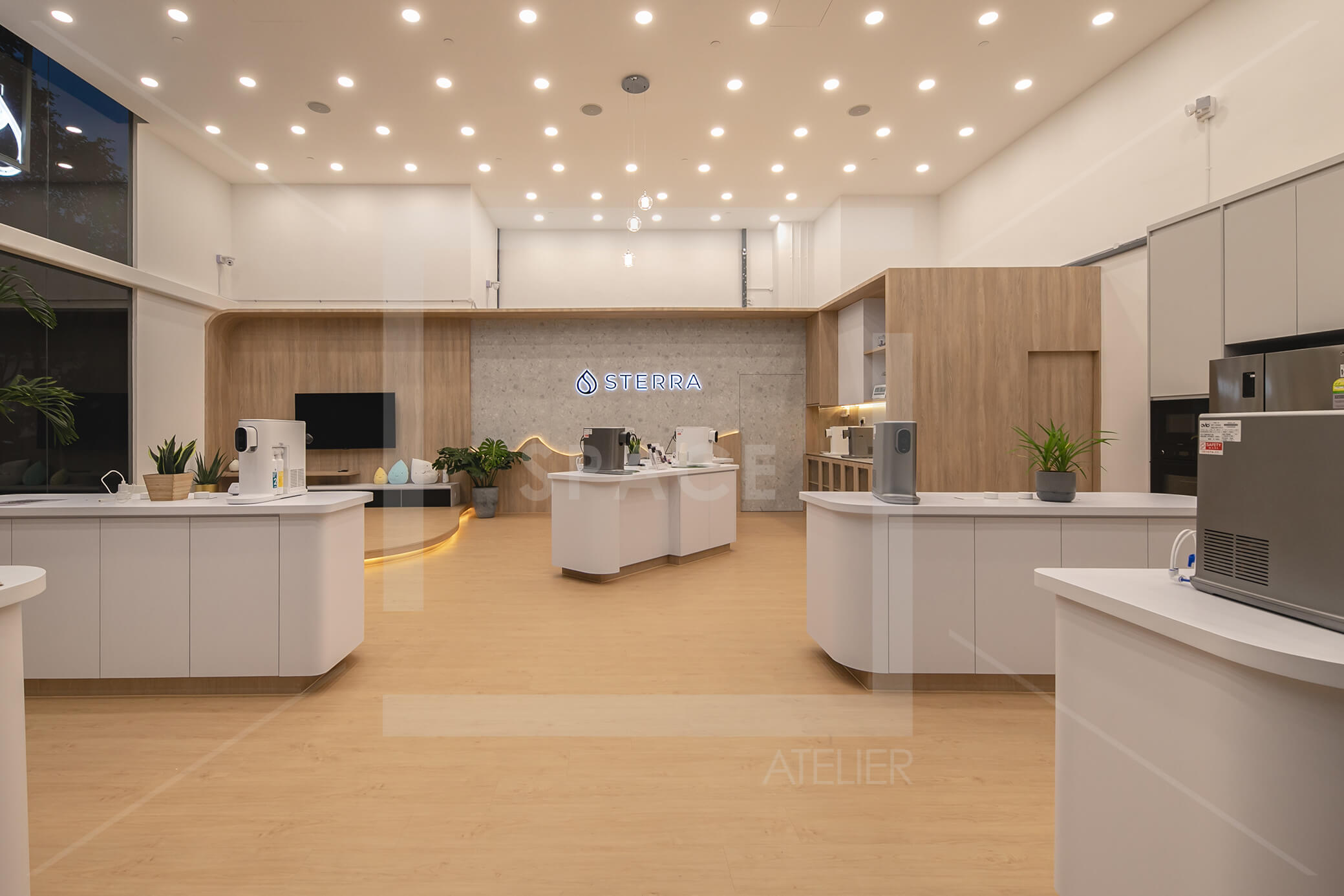
What is the Impact of a Commercial Design Firm on your workplace?
A commercial design firm brings more than just new desks. These experts study daily routines and how people walk around. They notice where people gather and where they need quiet. Then, they build a layout that helps both focus and teamwork. A fresh design can cut wasted movement and lower frustration. Workers feel less tired when the space works with them. Good design also sends a strong message to visitors. It shows that the company cares about quality and ease.
1. Boosting Daily Output Through Better Layout
Smart placement of desks and meeting spots changes how teams work together. Open areas allow quick chats, while closed corners allow deep focus. A commercial design firm balances these zones well. They add storage where needed and take away walls that block views. Natural light flows further when walls come down. Workers find what they need faster when everything has a home. Less time searching means more time doing good work.
2. Lifting Spirits With Colour and Light
Colours on walls affect feelings more than most people know. Soft blues ease the mind, while warm yellows spark new ideas. A commercial design firm picks shades that match the work being done. They also place lights to avoid harsh shadows or bright screens. Good lighting cuts down on eye strain. Plants add life and clean the air. Even small touches like artwork break up boring hallways. These changes transform how a place feels. People arrive with more energy and leave less tired.
Drawing Ideas From Home Makeovers
Many ideas from resale flat renovation work well for office updates. In both cases, the goal is to use every bit of space well. Old flats often have odd corners or narrow paths. A good renovation opens up those tight spots. The same thinking works for offices with strange layouts. Taking away unused walls creates breathing room. Adding furniture that does many jobs saves space without losing use. Storage that hides mess keeps surfaces clean. Below are three pointers showing how home renovation ideas lift office spaces.
- Use light paint shades to make small rooms feel twice as big. A resale flat renovation often turns dark flats into bright homes using this simple trick. Office walls benefit from the same approach, especially in rooms without windows.
- Put in floor-to-ceiling shelves to use wasted wall space. Flats with tiny footprints rely on this method to store things. Offices can copy this idea to hold files, papers, and gear without crowding the floor.
- Pick furniture with hidden wheels to allow quick room changes. A flat renovation might add rolling carts to a kitchen. Offices gain the same freedom when desks and tables move easily for meetings or solo work.
After using these three ideas, a workspace feels more open and useful. Each pointer comes directly from successful home makeovers. The same smart thinking that turns a small flat into a cosy home also turns a dull office into a lively hub.
Key Parts of a Good Redesign
Before any changes happen, a commercial design firm measures and maps everything. They count how many people use each area. They note which spots stay empty and which get crowded. This information guides every choice. They look for blockages where people pile up. Then, they widen paths or add other routes. They also check the air flow and heat. A stuffy room kills focus fast. Good design fixes these hidden problems before they cause trouble.
1. Smart Storage That Hides the Mess
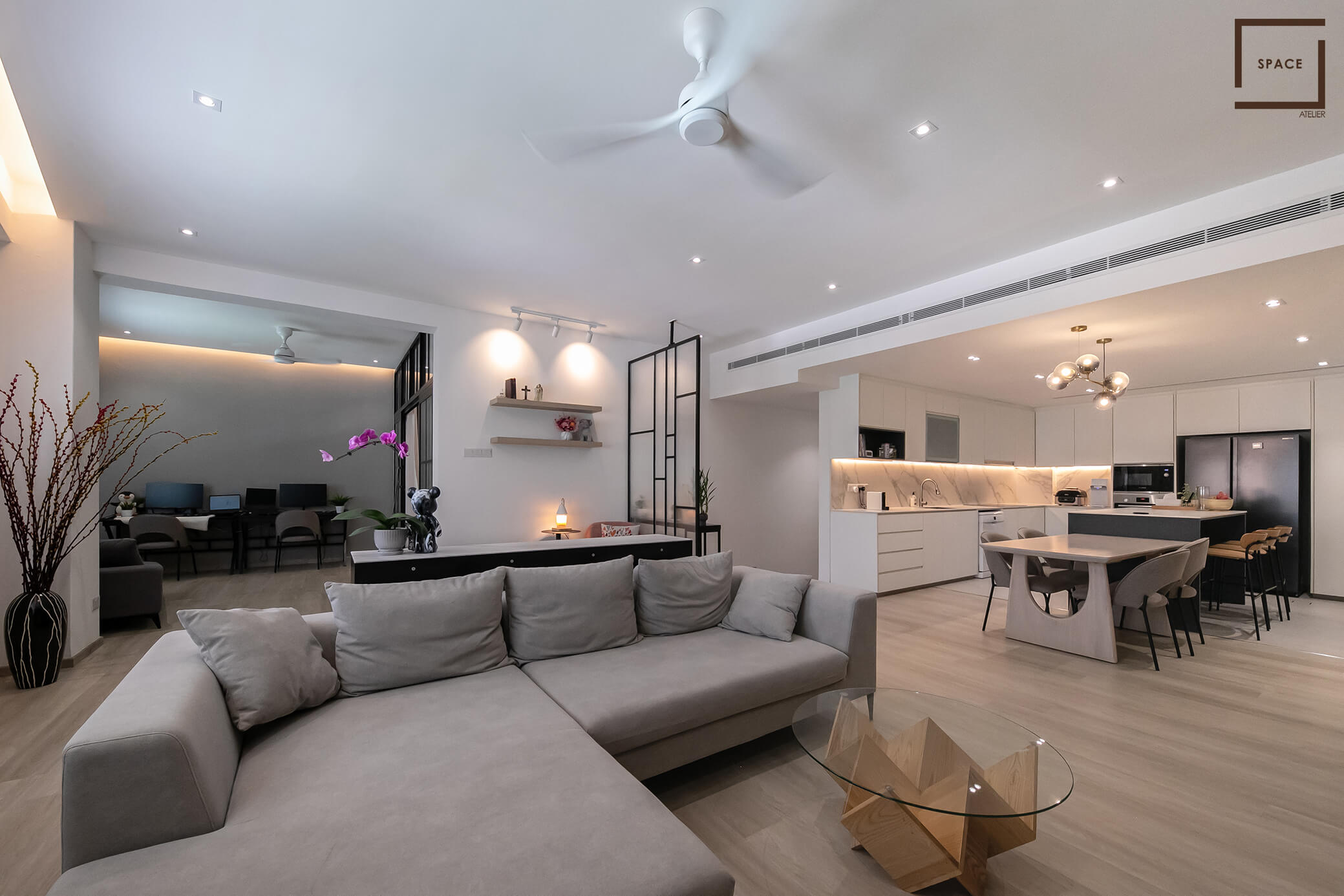
Mess steals focus and makes a space feel smaller. A resale flat renovation often includes built-in cabinets that blend into the walls. The same trick works for offices. Tall shelves with closed doors hide paper piles and supplies. Under-desk drawers keep personal items out of sight. Labelled bins in a shared cupboard stop the search for pens and pads. When everything has a place, cleaning takes minutes instead of hours. Workers start each day with a fresh, tidy view.
2. Flexible Furniture for Changing Needs
Teams grow and shrink. Projects start and end. Fixed furniture cannot adapt to these shifts. That is why a commercial firm chooses movable pieces. Light tables roll together for group sessions. Chairs stack away when not needed. Modular sofas change into different shapes. This flexibility means one room serves many uses. A morning meeting turns into an afternoon workshop. Putting money into adaptable pieces saves money over time because nothing needs replacing.
Comparing Old vs. New Workspace Features
The table below shows how a redesigned office differs from a traditional one.
| Feature | Traditional Workspace | Transformed Workspace |
| Desk setup | Rows of the same desks | Clusters and solo spots |
| Lighting | Harsh ceiling tubes | Mixed task and room lights |
| Storage | Open shelves and lockers | Built-in cabinets and rolling bins |
| Meeting areas | One fixed boardroom | Several small chat spots |
| Break space | A single table with chairs | Lounge corners with soft seats |
A transformed workspace uses space better and fits more activities. People feel less trapped and more in charge.
Steps to Begin Your Workspace Makeover
Starting a redesign feels like a big task, but breaking it down helps. A commercial firm usually follows a clear path. First, they talk with the people who use the space daily. They ask about problems and wishes. Next, they draw several layout options. After picking a direction, they build a mock-up or 3D view. Then, they order furniture and plan building work. Finally, they oversee the move back in. This step-by-step method avoids chaos. Below are three pointers to guide anyone through this process.
- Write down every problem about the current workspace before calling any expert. List dark corners, noisy spots, and places where people bump into each other. This list becomes the roadmap for the whole redesign project.
- Ask three different firms to share their first ideas without charging a fee. Compare their approaches to see which team truly listens. A good commercial firm will ask more questions than it answers at the first meeting.
- Ask for a digital mock-up of the planned layout before buying any furniture. A flat renovation project always includes drawings or 3D views. Offices need the same preview to spot problems before building starts.
Final Thoughts
A commercial design firm turns dull offices into lively hubs. They study how people move and then reshape the space to fit those patterns. Drawing ideas from resale flat renovation helps to use every corner well. Smart storage, flexible furniture, and good lighting lift both mood and output. The process takes time, but the payoff lasts for years. A well-designed workplace makes every single day feel a bit easier. That is a gift that keeps giving to everyone who walks through the door.
Frequently Asked Questions
- How long does a typical office redesign take?
Most projects finish within four to eight weeks. The timeline depends on the room size and how much building work is needed. A good firm gives a clear schedule at the start.
- Can a commercial design firm work with a small budget?
Yes, many firms offer step-by-step plans. They fix the most urgent issues first and leave nice-to-have updates for later. This spreads the cost over time.
- Do I need to move out during the renovation?
Not usually. Smart planners schedule loud work for evenings or weekends. They set up temporary stations so that daily tasks continue without many stops.
- How does resale flat renovation relate to office design?
Both focus on making small or odd spaces work better. Tricks like built-in storage, light colours, and multi-use furniture apply nicely to offices as well.