Planning a home needs care, clear steps, or smart choices. Each space should feel easy to use with pleasant to live in. You also want a design that fits your daily life or future needs. Landed property interior design in Singapore shapes comfort, flow, or style in a strong way. When you plan with purpose, every room feels balanced. As a result, your home turns warm or inviting. With the right approach, you can shape ideas into a space that feels complete or well planned.
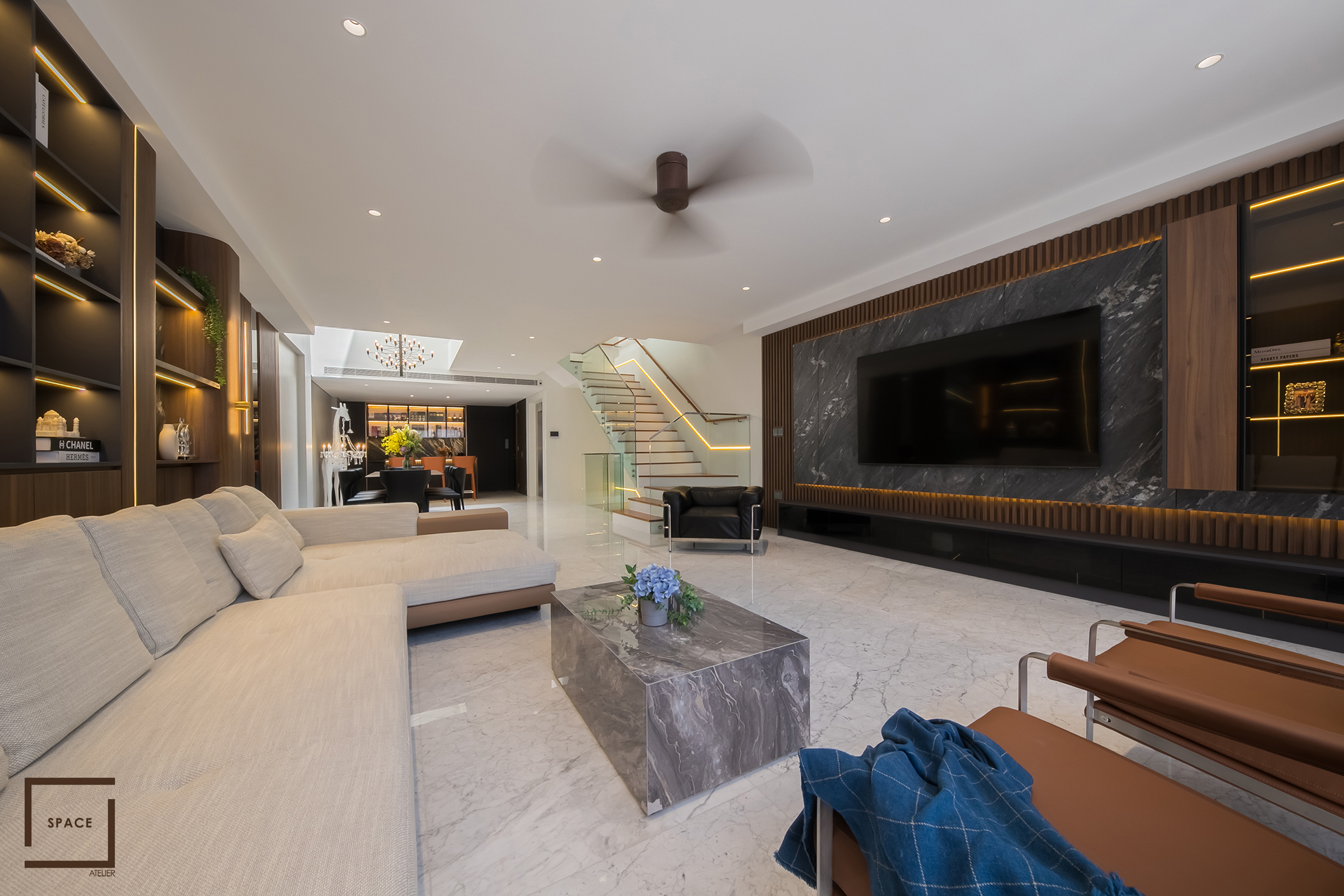
Understand Your Space First
Before you pick colours or furniture, study your home. Each landed house has its own layout. Some have wide halls, while others have small rooms.
What to check
- Room size or shape.
- Light from windows.
- Air flow across rooms.
- Fixed parts like stairs or beams.
When you note these points, you avoid poor choices later. As a result, your design feels smooth or natural.
Set a Clear Theme
Next, choose a theme that suits your taste. A theme keeps your design steady. Without it, rooms may clash.
Popular ideas
- Modern with clean lines.
- Classic with warm tones.
- Nature style with wood or plants.
However, pick only one main theme. Then, add small details that support it. This office interior design in Singapore step keeps your home calm or balanced.
Plan Each Room with Purpose
Each room serves a role. So, design it to match that role.
Living Room
- Place seating to allow easy talk.
- Keep paths open for movement.
Kitchen
- Arrange tools for quick reach.
- Use strong surfaces for daily use.
Bedroom
- Pick soft colours for rest.
- Add storage to reduce mess.
In the same way, careful planning saves space or adds ease to daily life.
Use Light to Shape the Mood
Light can change how a room feels. So, use both natural or indoor light.
Tips for lighting
- Let daylight enter with large windows.
- Add ceiling lights for full coverage.
- Use lamps for soft corners.
As a result, your home feels bright or open during the day, yet calm at night.
Choose Materials with Care
Materials affect the look or strength. Therefore, pick ones that last long or suit your theme.
Common choices
- Wood for warmth.
- Stone for strength.
- Glass for a clean look.
Also, match colours or textures. This step ties all parts of the home together.
Think About Storage Early
Storage keeps your home neat. Without it, clutter builds up fast.
Smart storage ideas
- Built-in shelves.
- Hidden cabinets.
- Multi-use furniture.
When you plan storage early, you avoid last-minute fixes. Hence, your home stays tidy with less effort.
Plan Colours That Flow
Colours guide how your home feels. So, choose shades that link each room.
How to choose colours
- Use light tones for small rooms.
- Add deep tones for contrast.
- Keep one base colour across spaces.
Also, avoid too many shades in one room. As a result, your home feels calm or joined.
Design for Comfort or Movement
A good design allows easy movement. So, keep paths clear or wide.
Key points to follow
- Leave space between furniture.
- Avoid blocking doors or windows.
- Place items where you need them most.
When you plan well, daily tasks feel smooth. Therefore, your home supports your routine.
Blend Indoor or Outdoor Areas
Many landed homes have gardens or patios. So, link the indoor or outdoor spaces.
Ways to connect spaces
- Use large glass doors.
- Match floor materials.
- Add plants inside.
As a result, your home feels larger or closer to nature.
Focus on Ceiling or Wall Details
Walls or ceilings shape the look of a room. So, give them attention.
Simple ideas
- Add panels for depth.
- Use soft paint tones.
- Install simple ceiling designs.
Also, keep designs neat. This step avoids a crowded look.
Pick Furniture That Fits
Furniture must suit both space or style. So, choose pieces with care.
Tips for selection
- Measure before buying.
- Pick simple shapes.
- Choose strong materials.
In the same way, avoid oversized items. This keeps rooms open or easy to use.
Add Layers with Textures
Textures add depth to your design. So, mix soft or hard surfaces.
Examples to try
- Rugs with wooden floors.
- Fabric cushions on sofas.
- Stone with glass finishes.
As a result, your home feels rich or warm without clutter.
Blend Work or Home Needs
Many homes now include work areas. In such cases, you must plan or comfort with focus. This is where office interior design in Singapore ideas help.
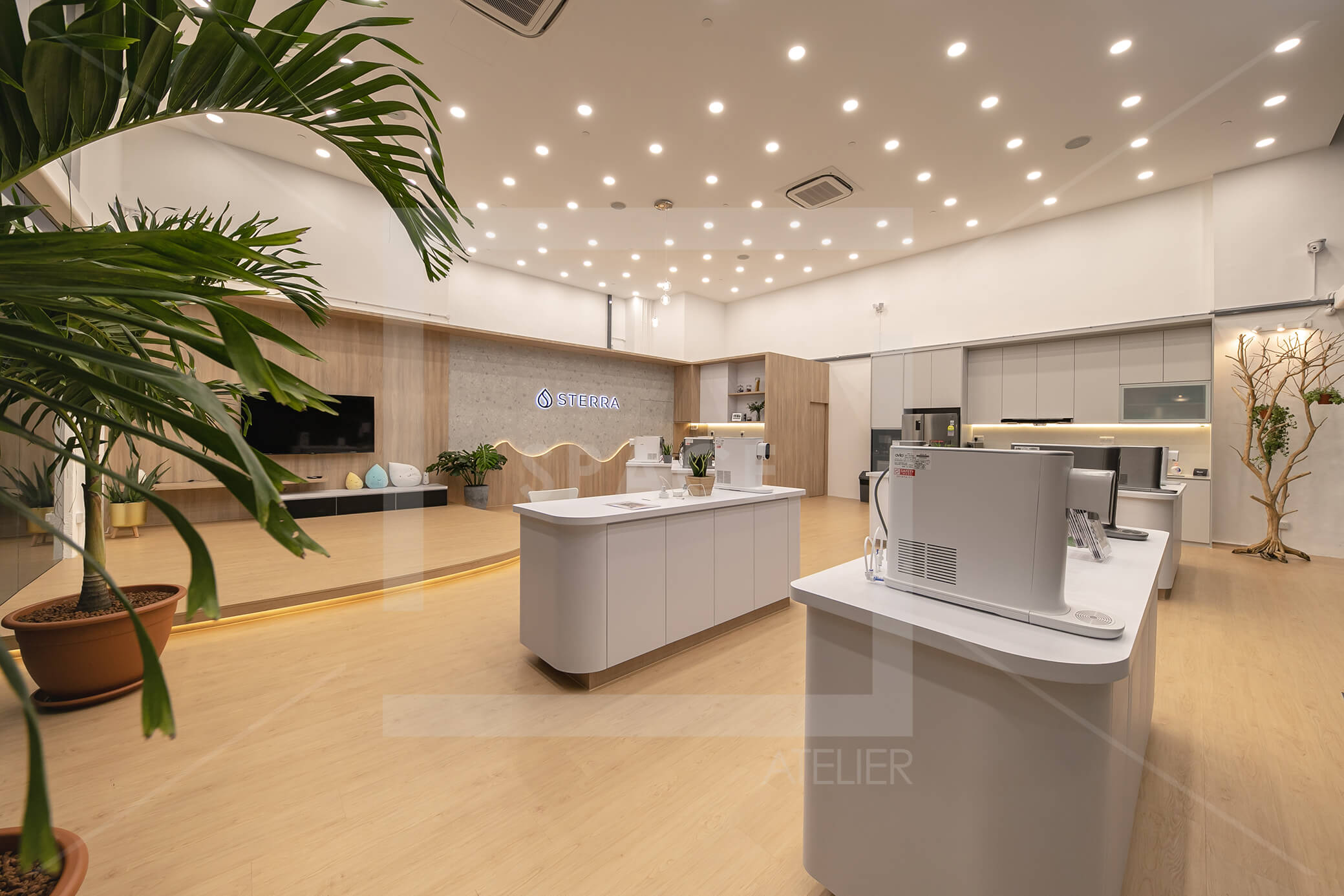
Simple work zone tips
- Pick a quiet corner.
- Use a firm desk or chair.
- Keep good lighting for tasks.
Thus, you create a space that supports work without affecting home comfort.
Add Personal Touches
A house feels complete when it shows your story. So, add items that reflect your life.
Ideas to include
- Family photos.
- Art pieces.
- Travel keepsakes.
Even small items can bring warmth. Therefore, place them with care to avoid clutter.
Plan for Future Needs
Your needs may change over time. So, think ahead while you design.
Future-ready ideas
- Flexible furniture.
- Extra storage space.
- Rooms with multiple uses.
As a result, your home stays useful for years.
Work with a Step-by-Step Plan
A clear plan helps you stay on track. It also avoids stress.
Planning steps
- Set your needs.
- Sketch layout ideas.
- Choose materials or colours.
- Review before final work.
In landed property interior design, a steady plan leads to a smooth result.
Review Before You Finalise
Before you finish, take time to review. Walk through each room in your mind.
Ask yourself
- Does the space feel open?
- Can you move with ease?
- Does each room serve its role?
If the answer is yes, your plan works well. If not, adjust before work begins.
Final Thoughts
Designing your home is a journey that rewards patience or clear thinking. Each step, from layout to final touches, builds a space that suits your life. You should focus on comfort, function, or a simple style that lasts. Landed property interior design in Singapore brings all these parts together in a smooth way. When you plan with care, your home feels calm or easy to use. In the end, you create a space that reflects your life or supports your needs.
FAQs
- How long does it take to plan a landed home design?
Planning time shifts with the size of the home or the level of detail you want. Most plans take a few weeks. Careful planning cuts errors to keeps the whole process smooth or easy.
- What should I focus on first when designing my home?
Start with the layout to decide how you will use each room. Then, shape ideas around light, storage, or movement. A clear plan at the start guides better choices as you move ahead.
- How can I make small rooms feel bigger?
Use light colours, simple furniture, or bright lighting. Keep the space open or trim extra items. Mirrors can bounce light around the room to make the space feel wider or brighter.
- Is it important to plan storage early?
Yes, early storage planning keeps your home neat or easy to handle. Built-in shelves or hidden spaces cut clutter. This step helps you keep rooms clean to simple every day.
- How do I choose the right materials for my home?
Pick materials that match your style or stand strong over time. Think about how often you use each area. Strong or easy-to-clean materials suit busy spaces like kitchens or living rooms best.