

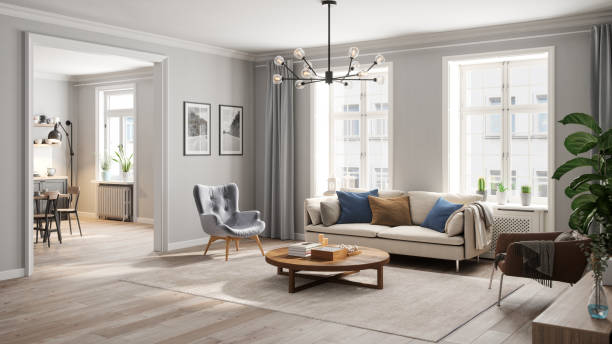
Italian home furniture for small spaces works best when it prioritises proportion, modularity, and dual-purpose design. Pieces scaled to room dimensions, furniture with hidden storage, and modular configurations that adapt to different layouts allow small-home owners to maintain a refined aesthetic without sacrificing usability. The result is a living space that feels intentional, open, and elegant.
Living in a compact home does not mean compromising on design. Imported Italian furniture has long been recognised for solving exactly this tension — where beauty meets practicality in every joint, dimension, and finish. Italian designers have spent decades refining furniture for apartments and urban homes where every square foot counts. If you are furnishing a smaller space, here is how to approach it strategically.
Why Italian Design Excels in Small Spaces
Italian home furniture design has always been rooted in the idea that form and function are inseparable. Brands operating within the Italian design tradition follow strict principles around proportion and material efficiency — qualities that happen to work exceptionally well in compact living environments.
The secret lies in restraint. Italian pieces tend to avoid visual bulk. Tapered legs, slim profiles, and clean geometric lines make furniture appear lighter, which keeps rooms feeling open. A sofa that sits low and wide reads very differently in a small room compared to a high-backed, overstuffed alternative.
Getting Proportions Right: The Foundation of Small-Space Styling
Scale is everything when you are working with limited floor area. One oversized piece can make an entire room feel cramped, while a well-proportioned set of furniture can make the same room feel curated and spacious.
Practical Proportion Rules to Follow
- Leave at least 90 cm of clear walkway between large furniture pieces
- Choose a sofa no longer than two-thirds of the wall it sits against
- Opt for dining tables with extendable tops — seat four normally, expand for guests
- Select beds with low headboards to preserve vertical sightlines
- Use armchairs rather than full three-seater sofas in living areas under 20 sq. metres
Italian furniture makers often provide detailed dimension guides precisely because their pieces are engineered with specific room sizes in mind. This makes it easier to plan before purchasing, rather than guessing at the point of delivery.
Multifunctional Furniture: Doing More With Less
Multifunctional furniture is not a compromise — it is a design discipline. In Italian interiors, a storage ottoman, a sofa bed with a deep frame, or a console that converts into a dining table are standard solutions, not afterthoughts.
Pieces Worth Prioritising in a Compact Home
- Storage beds: Hydraulic-lift bases give you a full storage bay beneath the mattress — ideal for linen, luggage, or seasonal items
- Nesting tables: Slide under one another when not in use; pull out individually when needed
- Modular shelving: Reconfigure as your space or needs evolve, without buying new pieces
- Wall-mounted desks: Fold flat when not in use, freeing floor space for other activities
- Sofa beds with solid frames: The Italian approach to sofa beds focuses on comfortable daily seating first, with the guest-sleeping function as a secondary benefit
Modular Designs: The Smart Choice for Flexible Living
Modular furniture gives small-home owners genuine flexibility. Rather than purchasing one large sectional that defines your space permanently, a modular system lets you add, remove, or rearrange components as your lifestyle changes.
This is particularly relevant for small apartment furniture in urban settings, where a home office might need to double as a guest room, or a living area must serve as a dining space during gatherings. Italian modular systems are typically built with standardised connectors, so reconfiguration is clean and straightforward.
How to Plan a Modular Layout
- Measure your room carefully and sketch the floor plan to scale
- Identify your primary activity zones — seating, sleeping, working, dining
- Choose a modular range that allows you to start with fewer pieces and expand later
- Prioritise pieces that can serve two zones simultaneously (e.g., a storage unit that divides and organises two areas)
- Keep central floor space as open as possible — push furniture toward walls where layout allows
Colour, Material, and Finish: Making Small Rooms Feel Larger
Beyond dimensions, material choices have a significant impact on how spacious a room feels. Italian furniture often uses natural materials — oak, walnut, marble, linen — that add warmth without visual weight.
Light wood tones and neutral upholstery palettes keep rooms feeling airy. Mirrored or glass-topped surfaces reflect light and give the illusion of depth. Matte finishes tend to absorb less attention than high-gloss alternatives, which helps furniture recede into the background rather than compete with the room itself.
Layout Ideas for Common Small-Space Scenarios
Studio or One-Bedroom Apartment
Use a compact sofa and a pair of accent chairs instead of a full suite. A round dining table seats more people per square metre than a rectangular one and eliminates sharp corners in tight walkways. Position the bed against the longest wall and use vertical shelving above the headboard for storage.
Small Living Room
Anchor the space with a low-profile sofa facing a wall-mounted media unit. Avoid floor-standing lamps that consume floor area — wall sconces or pendant lights achieve the same result. A compact home furniture approach here means choosing fewer, better pieces over filling every corner.
Compact Dining Area
A bench along one wall, paired with two chairs on the opposite side, makes the most of narrow dining spaces. Extendable tables from Italian ranges typically expand cleanly without visible seams, maintaining the aesthetic whether they are contracted or fully open.
What to Look for When Buying Italian Furniture for Small Homes
| Feature | Why It Matters for Small Spaces
|
|---|---|
| Slim leg profiles | Reduces visual weight, makes rooms feel less crowded |
| Built-in storage | Reduces need for additional standalone storage pieces |
| Modular configuration | Adapts to changing needs without full replacement |
| Extendable surfaces | Maximises flexibility for hosting without permanent footprint |
| Neutral or natural finishes | Keeps rooms visually open and easier to restyle over time |
Investing in quality over quantity is the core principle here. One well-proportioned Italian piece with built-in storage will outperform three cheaper alternatives that crowd the room and wear down within a few years.
Bringing It Together
Small spaces reward thoughtful curation. When every piece earns its place — through proportion, adaptability, and visual lightness — even the most compact home can feel considered and comfortable. The Italian design tradition has been solving this challenge long before small-space living became a trend.
If you are ready to furnish your space with pieces built for exactly this purpose, Cubo Collective offers a curated range of Italian furniture selected with proportions, modularity, and real-home functionality in mind.
Frequently Asked Questions
What makes Italian furniture suitable for small spaces?
Italian furniture is designed with precise proportions, slim profiles, and functional details that reduce visual bulk. These qualities — tapered legs, clean lines, and built-in storage — make pieces feel lighter and less intrusive, which is exactly what small rooms need to stay open and liveable.
Is imported Italian furniture worth the investment for a compact home?
Yes. Quality Italian pieces are built to last and typically designed with dual-purpose functionality in mind. Paying more upfront for one well-made storage bed or modular sofa avoids the cost of replacing cheaper alternatives and eliminates the need for additional standalone storage units that consume floor space.
How do I choose the right size sofa for a small living room?
A sofa should not exceed two-thirds of the wall it sits against. In rooms under 20 sq. metres, consider two accent chairs instead of a three-seater. Measure walkways — maintain at least 90 cm of clearance. Low-profile sofas with slim arms preserve sightlines and make rooms feel larger.
What is modular furniture and how does it help in small apartments?
Modular furniture is built from interchangeable components you can rearrange or expand over time. In small apartments, this means adapting the same system to serve as a living room today and a home office tomorrow. Italian modular ranges use standardised connectors, making reconfiguration clean and practical without tools.
Which room benefits most from multifunctional furniture?
The bedroom and living room benefit most. A storage bed eliminates the need for separate wardrobes or under-bed boxes. In the living room, nesting tables, sofa beds, and ottomans with storage reduce clutter while keeping the space functional. These pieces do the work of two or three single-purpose items combined.
What colours and finishes work best for small-space Italian furniture?
Light wood tones like oak, neutral upholstery in linen or cotton, and matte finishes keep rooms visually open. Glass or mirrored surfaces add depth by reflecting light. Avoid dark, high-gloss finishes in small rooms — they draw attention to the furniture itself rather than allowing the space to breathe.