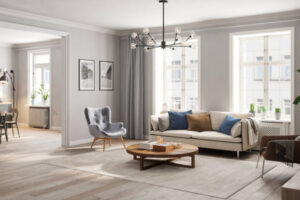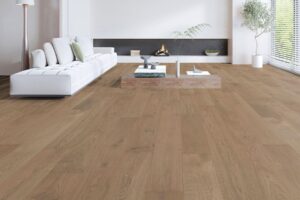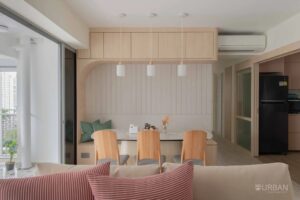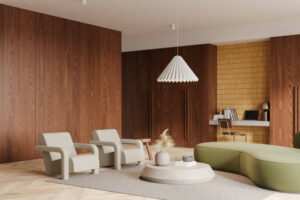


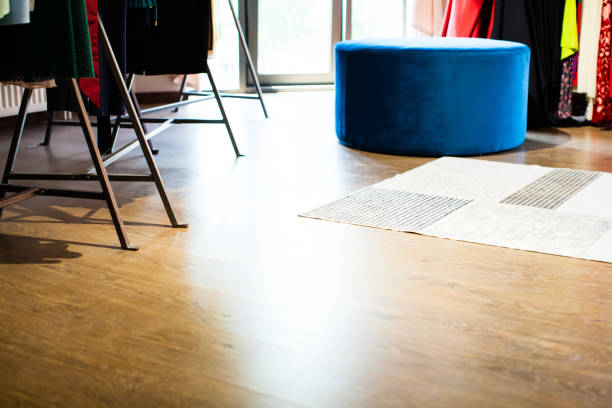
Matching scratch resistant vinyl flooring with modern Singapore interiors means pairing high-durability surfaces with clean lines, neutral palettes, and warm wood tones that define contemporary HDB and condo design. The right vinyl plank bridges practicality and aesthetics — resisting daily wear while complementing minimalist, Japandi, or industrial style schemes popular in Singapore homes today.
Why Scratch Resistant Flooring Matters in Singapore Homes
Singapore homes are high-traffic environments. Furniture shifting on hard floors, pets running across hallways, and daily footfall from family members all leave their mark — sometimes literally. Flooring that cannot handle this daily stress becomes scuffed, dull, and costly to replace within a few years.
Scratch proof vinyl flooring solves this without forcing homeowners to choose between durability and design. Modern vinyl collections offer surface wear layers of 0.3mm to 0.7mm, with thicker layers providing commercial-grade scratch resistance suited for busy family homes. For context, a standard residential vinyl plank with a 0.5mm wear layer can withstand abrasion equivalent to decades of normal household use.
Understanding the Interior Design Landscape in Singapore
Interior flooring in Singapore has shifted significantly over the past decade. Homeowners are moving away from cold-toned tiles and laminate toward warmer, more textured finishes. The dominant interior styles right now include:
- Japandi — a blend of Japanese minimalism and Scandinavian warmth, favouring light oak tones and natural textures
- Modern minimalist — clean lines, monochrome palettes, uncluttered surfaces
- Industrial chic — raw concrete-look finishes, dark wood accents, metal fixtures
- Biophilic design — natural materials, greenery, earthy tones that blur indoor-outdoor boundaries
Each of these styles has a clear flooring counterpart in the vinyl category, which is why modern vinyl flooring has grown in popularity among renovation-savvy homeowners and interior designers across Singapore.
How to Match Vinyl Flooring Tones With Your Interior Scheme
Light and Airy Interiors
For Japandi or Scandinavian-influenced spaces, choose a light ash or pale oak wood look vinyl. These tones visually expand smaller HDB flats and pair effortlessly with white walls, rattan furniture, and linen textiles. Avoid high-gloss finishes — matte or low-sheen surfaces are more authentic to the style and better at hiding surface micro-scratches over time.
Neutral and Minimalist Interiors
Greige (grey-beige) vinyl planks are arguably the most versatile choice for modern Singapore flats. They work with warm whites, charcoal furniture, and timber cabinetry without competing for visual attention. This understated approach also ages well — as you update furnishings over the years, a neutral floor stays relevant.
Dark and Dramatic Interiors
Industrial and moody interiors benefit from deep walnut or smoked oak finishes. These darker wood look vinyl tones anchor a room and complement black metal fixtures, exposed brick walls, and deep-coloured soft furnishings. One practical note: darker planks can show dust more readily, so a textured or hand-scraped surface finish helps diffuse light and minimise visible particulates.
Choosing the Right Plank Format and Layout
The visual impact of vinyl flooring is not just about colour — plank format and laying direction matter enormously in Singapore-sized rooms.
- Wide planks (180mm–230mm) suit open-concept living and dining areas, creating a luxurious, expansive feel
- Narrow planks (100mm–150mm) work well in bedrooms and corridors, lending a more traditional timber look
- Herringbone or chevron patterns add architectural interest to smaller spaces and are trending strongly in Singapore interior design circles
Laying direction also plays a role. Running planks lengthwise along the longest wall elongates a room visually — a useful trick in compact HDB layouts where every centimetre of perceived space counts.
Scratch Resistance: What the Specifications Actually Mean
When shopping for scratch proof vinyl flooring, you will encounter technical terms that can feel confusing. Here is a quick reference:
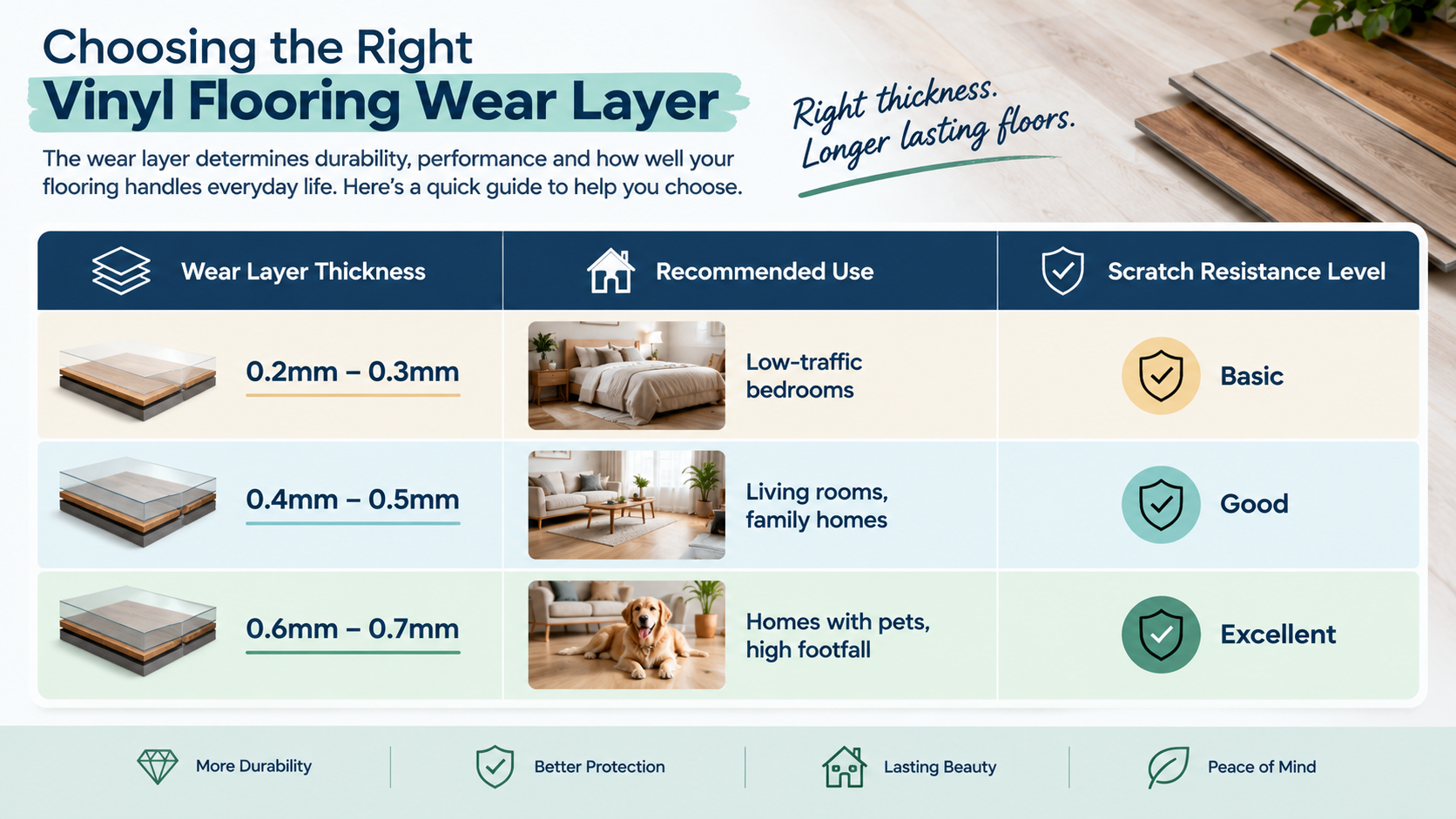
Beyond wear layer thickness, look for UV coating and surface treatment technology. Many premium vinyl planks feature ceramic bead coating or aluminium oxide finishes that dramatically improve scratch and scuff resistance without affecting the natural look of the surface.
Practical Styling Tips for a Cohesive Look
Selecting the right floor is one step — integrating it seamlessly into your interior is another. These practical guidelines help achieve a cohesive result:
- Match undertones, not just colours. A warm-toned vinyl plank will clash with cool-toned grey furniture. Always compare samples under natural light before committing.
- Use skirting boards as a transition tool. White skirting against a mid-tone vinyl floor creates a crisp, modern edge. Matching skirting to the floor softens the look for a more seamless finish.
- Layer with rugs strategically. A well-placed area rug in a living room zones the space and reduces wear in the highest-traffic areas, extending the floor’s pristine appearance.
- Consider vertical continuity. Extending the same vinyl plank onto a feature wall or kitchen island panel creates a designer-level continuity that is increasingly popular in Singapore show flats and renovation portfolios.
Singapore-Specific Considerations for Vinyl Flooring
Singapore’s tropical climate introduces unique flooring challenges. High humidity levels — averaging around 84% relative humidity annually according to the Meteorological Service Singapore — mean flooring materials must be dimensionally stable. Quality vinyl planks with a rigid core (SPC or WPC construction) resist warping, expanding, and contracting in humid conditions far better than timber or standard laminate.
Additionally, many Singapore homes use aircon extensively. The daily temperature cycling between cool interiors and warm outdoor air can stress lesser flooring products. Scratch resistant vinyl flooring with a stable core construction handles this thermal movement reliably, making it a practical long-term investment for local homeowners.
Final Thoughts
The best flooring decisions balance what a surface can withstand with how it makes a room feel. In Singapore’s compact, design-forward homes, that balance is everything. Whether you are going for the warmth of a Japandi bedroom or the boldness of an industrial living space, the right vinyl floor anchors the design without becoming a maintenance burden.
Frequently Asked Questions
What makes vinyl flooring scratch resistant?
Scratch resistant vinyl flooring uses a protective wear layer — typically between 0.3mm and 0.7mm thick — along with surface treatments like ceramic bead or aluminium oxide coatings. Thicker wear layers and advanced surface finishes significantly reduce visible scratching from furniture, pets, and daily foot traffic.
Is scratch proof vinyl flooring suitable for HDB flats in Singapore?
Yes. Vinyl flooring is one of the most practical choices for HDB flats in Singapore. It handles high humidity, resists daily wear, and comes in a wide range of finishes that complement popular local interior styles including minimalist, Japandi, and modern contemporary designs.
What is the difference between scratch resistant and scratch proof vinyl flooring?
Scratch resistant vinyl flooring is engineered to minimise visible scratching under normal household conditions, while scratch proof is a marketing term suggesting near-total scratch immunity. In practice, all flooring can be scratched under extreme force — the key factor is wear layer thickness and surface coating quality.
Which vinyl flooring colour works best with modern Singapore interiors?
Greige, light oak, and warm ash tones are the most versatile choices for modern Singapore interiors. These shades complement the neutral palettes, timber furniture, and clean lines common in contemporary HDB and condo renovations, while remaining adaptable as decor trends evolve over time.
How does Singapore’s humidity affect vinyl flooring performance?
Singapore’s average humidity of around 84% can cause some flooring types to warp or swell. Rigid core vinyl planks — SPC or WPC construction — are dimensionally stable in humid conditions, making them a more reliable long-term option compared to timber or standard laminate in the local climate.
Can vinyl flooring be used in all rooms of a Singapore home?
Yes. Vinyl flooring is suitable for living rooms, bedrooms, kitchens, and even bathrooms due to its water resistance. For wet areas like bathrooms, ensure the vinyl is fully waterproof and that joints are properly sealed to prevent moisture from seeping through to the subfloor beneath.