


Work culture shifts fast, and teams meet beyond office walls. People search for spaces that spark talk, shared meals, and team bonding. In this shift, company dinner restaurants craft spaces that unite people over meals and simple team talks. These places reshape seating, menus, and service to match new work patterns. As a result, teams sense ease when they gather for dinner and discussion, and they build trust, share ideas, and connect in simple ways that support stronger workplace understanding among colleagues with ease.
Changing Needs of Work Teams
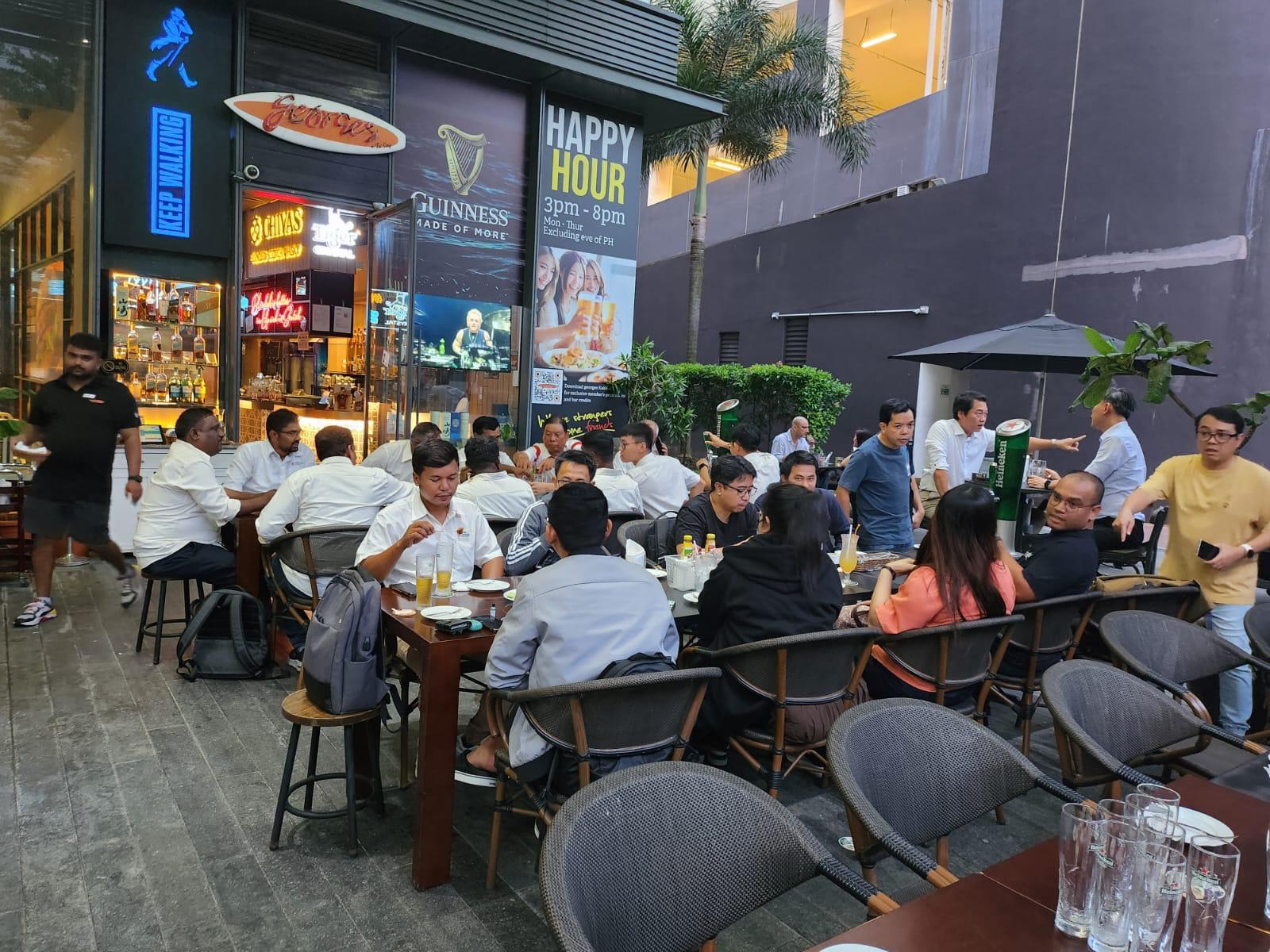
Work teams divide their time between home and office work. Because of this, they seek spaces that support clear talk and smooth group bonding. Leaders also focus on trust building during team meals.
Key needs include:
- Quiet space for group discussion.
- Seating that keeps teams close.
- Food choices for different diets.
- Calm rooms for long meetings.
- Simple booking for group events.
Work teams also look for places that reduce stress and support open talk.
New Design Thinking in Dining Spaces
Restaurants shape interiors that help teams talk without pressure. Designers remove tight layouts and build open sea view restaurant rooms. They focus on space, light, and flow of movement.
Design changes include:
- Open floor plans for group ease.
- Movable tables for different team sizes.
- Soft light setups for a relaxed mood.
- Acoustic control for low noise.
- Clear walking paths between tables.
Design teams also study group behaviour and adjust layouts that support natural conversation flow.
Seating Styles for Better Talks
Seating shapes how people connect during meals. So, restaurants test different formats that help encourage talk among team members. Round and flexible seating styles support better interaction.
Seating formats include:
- Round tables for equal voice sharing.
- Long tables for large team groups.
- Small clusters for focused talk.
- Corner seating for private discussion.
These setups help teams build comfort during shared meals. Teams also feel more included when seating supports equal eye contact.
Menu Planning for Group Balance
Food planning plays a key role in team dinners. So, restaurants design menus that fit many tastes in one group. They focus on shared plates and simple dishes that suit group dining.
Menu focus points:
- Mixed cuisine options for diverse teams.
- Shared platters for group interaction.
- Light meals for long conversations.
- Balanced food choices for health needs.
- Simple serving style for smooth flow.
Food also supports conversation because teams share dishes and talk during meals.
Technology Use in Booking and Service
Restaurants use simple systems that help teams plan dinners without delay. These systems reduce waiting time and support group coordination. Teams book spaces and confirm details with ease.
Technology support includes:
- Online group booking systems.
- Digital menus for quick selection.
- Simple confirmation steps for events.
- Clear time slots for group dinners.
- Fast updates for changes in plans.
Technology also helps staff prepare spaces before the team’s arrival, which supports smooth service flow.
Outdoor and Scenic Dining Value
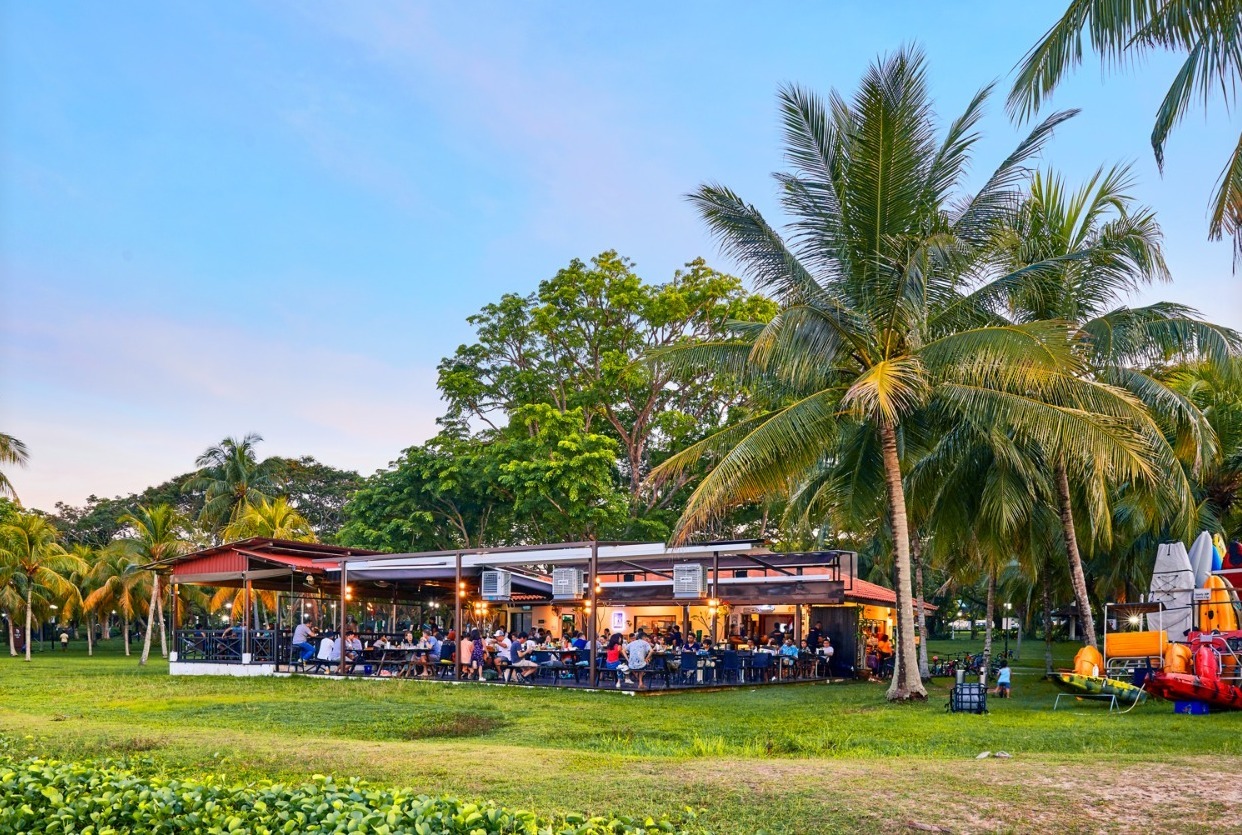
Outdoor dining adds comfort to team meetings. Fresh air and open space help people relax and talk with ease. Some sea view restaurant also offer wide views that support calm group talks and better focus.
Outdoor dining benefits:
- Open air that supports relaxed talk.
- Natural light that lifts mood.
- Wide space for large groups.
- Less noise than indoor areas.
- Better flow for group movement.
Scenic views also help teams pause from work pressure and enjoy shared moments during dinner.
Event Flow and Team Activities
Work dinners often include group tasks that build trust among team members. Restaurants plan simple activities that help teams connect beyond food. These activities support communication and teamwork.
Common activity types:
- Short team introduction rounds.
- Simple group games for interaction.
- Shared storytelling sessions.
- Task-based group challenges.
- Feedback sharing circles.
These activities help teams break barriers and improve understanding between members.
Staff Approach and Service Style
Staff behaviour shapes the full dining experience. So, restaurants train teams to support group needs with care and attention. Staff also manage timing and flow, so teams stay focused on their purpose.
Service style elements:
- Clear communication with group leaders.
- Timely food service for smooth flow.
- Support during seating changes.
- Quick response to group needs.
- Calm presence during events.
Staff also guide groups through seating and menu choices without delay, which helps maintain comfort.
Future of Work Dining Culture
Work dining culture keeps changing with new work styles. Teams will seek more flexible spaces that support both talk and rest. Restaurants will continue to adjust design, food, and service to match these needs.
Future directions include:
- Flexible spaces for hybrid teams.
- Strong focus on group comfort.
- Simple and shared dining formats.
Restaurants that adapt to these needs will support stronger team bonds and better work relationships over time.
Modern Seating Innovations in Team Dining
Workplaces now ask for comfort and easy talk during meals. So, dining spaces reshape seating to help teams sit, speak, and share ideas with ease. Restaurants move away from tight layouts and build open, flexible spaces. This change lets groups stay close and interact freely. It also supports equal talk among all members during dinner and helps everyone join the conversation without stress.
Seating design ideas for better team flow:
- Round tables that boost equal voice sharing.
- Movable chairs that shift group setups quickly.
- Open layouts that reduce a crowded feeling.
Menu Evolution for Team Gatherings
Food choices now shape how well team dinners work. So, restaurants craft menus that fit many tastes in one group. They focus on shared dishes that teams enjoy together. This style helps people link through food and talk. It also removes stress when large groups choose meals.
Food planning features for modern teams:
- Mixed cuisine choices for all team members.
- Shared platters that build group bonding.
- Light meals that support long talks.
Final Thought
Modern work life needs spaces that bring people together over food and talk. Restaurants shape new designs that support team connection and comfort. Because of this, company dinner restaurants craft welcoming spaces that help workers share thoughts and build stronger bonds beyond office hours. These places focus on space, food variety, and simple planning for teams.
As time moves on, such places shape a better workplace culture and trust, and they support simple meetings and relaxed conversations after work hours, helping teams stay connected and aligned.
FAQs
- Why do companies prefer team dinners outside the office?
Companies pick team dinners outside the office because they let people relax and talk freely. This setting builds stronger trust, improves communication, and gives team members a break from daily work pressure in a simple and friendly way.
- What makes modern dining spaces better for group events?
Modern dining spaces shape open seating, calm lighting, and flexible layouts. These features help groups sit together with ease, talk freely, and enjoy meals without noise or crowd stress, which improves overall team bonding and comfort.
- How do restaurants support large team bookings?
Restaurants guide large team bookings with simple reservation systems, flexible seating plans, and quick service. These systems help groups plan, adjust numbers easily, and enjoy smooth dining without confusion or long waiting times.
- Why is food variety important in group dining?
Food variety matters because teams include people with different tastes and needs. A wide menu lets everyone pick something they enjoy, which keeps the group happy and makes shared dining smoother and more inclusive for all.
- How do team dinners improve workplace relationships?
Team dinners strengthen workplace relationships by giving people time to talk outside work tasks. This helps break barriers, build trust, and create a better understanding among colleagues, which supports stronger teamwork and smoother collaboration later.
