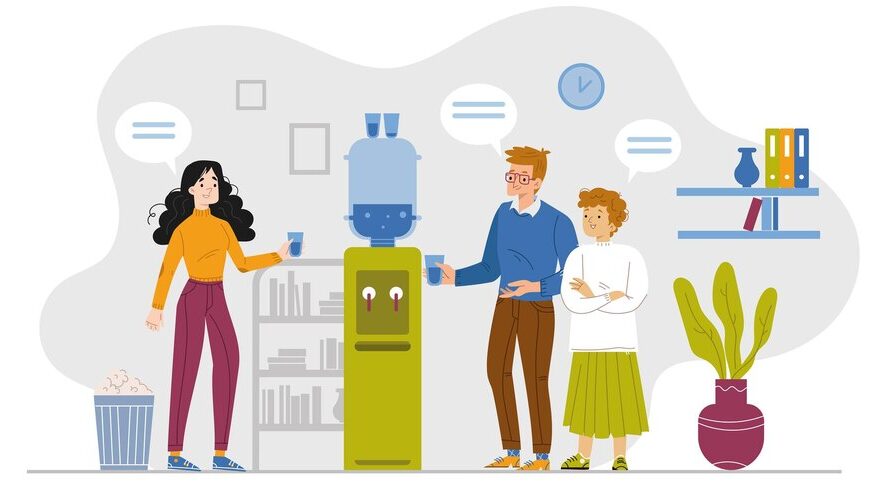
Finding the right office water dispenser involves considering your team size, water quality needs, installation space available, and ongoing maintenance costs. The best choice depends on whether you require hot and cold function, filtration capability or tankless system. To get the best value of your money, choose a dispenser that is certified, energy efficient and comes with good after sales service.
For facility managers and SME owners, selecting an office water dispenser is not just a pantry decision — it directly affects employee health, productivity, and operational costs. With so many options on the market in Singapore, getting this choice right from the start saves you time, money, and headaches down the line.
Why the Right Water Dispenser Matters for Your Office
Singapore’s National Environment Agency (NEA) and Public Utilities Board (PUB) have stringent benchmarks for drinking water quality. The tap water in Singapore is on par with WHO standards, but many workplaces prefer to filter it further just to be safe with the aging pipes in buildings, sediment, or even taste.
The right dispenser promotes workplace wellness, not just water quality. Research has shown time and again that proper hydration improves concentration, reduces fatigue and decreases absenteeism. That is more important than most people realize for SMEs with lean teams.
Types of Office Water Dispensers: What Are Your Options?
Before you buy or rent, understand the core categories. Each type suits a different office profile.
1. Bottled Water Dispensers
These have large pre-filled water bottles (often 11 or 19 liters) which are placed on top or at the bottom of the unit. No plumbing required; easy to install. These constant bottle replacement costs add up and heavy bottles pose manual handling risks for staff.
Best for: Small offices with limited access to plumbing or short-term setups.
2. Point-of-Use (POU) Water Dispensers
No bottles to store, no delivery time to keep. The initial installation cost is higher, but the running costs are much lower in the long run. This is the case with most of the modern office dispensers in Singapore.
Best for: Mid-sized to large offices, permanent installations, and businesses focused on sustainability.
3. Dispenser Water Purifier Combos
A dispenser water purifier has a multi-stage filtration process within the unit itself, usually consisting of sediment filters, activated carbon and UV sterilization. This means you have filtered water from the tap without the need for external filtration systems.
Best for: Offices in older buildings, healthcare-adjacent environments, or workplaces with high hygiene standards.
4. Instant Hot and Cold Dispensers
These release water at exact temperatures immediately, perfect for offices where staff are always making hot drinks. Look for taps with child-lock models, especially on hot water taps, for mixed-use offices.
Key Factors to Evaluate Before You Buy
Team Size and Daily Water Consumption
The industry rule of thumb is 2 liters of water per person per day of work. For a 30 person office that’s at least 60 liters a day. Select a dispenser with sufficient output capacity and tank or flow rate to meet peak demand — usually mid-morning and after lunch.
Available Space and Installation Requirements
Counter-top dispensers work well in tight spaces, while floor standing units offer more capacity. For POU models, allow access to a water inlet and drainage point. Some units require an electrical socket within a certain distance.
Filtration Standards and Water Quality
A quality dispenser should filter out sediment, chlorine, and volatile organic compounds (VOCs)—at the very least. UV sterilization is a big plus. Verify that the filters are NSF-certified or meet the Singapore SS standards for drinking water equipment.
Energy Efficiency
A 24/7 office dispenser that lacks an eco-mode can quietly gobble up your electricity bill. In Singapore, the National Environment Agency promotes energy-conscious purchases — look for the NEA Energy Label on the product, if available.
Maintenance and Filter Replacement Schedules
Ask your supplier how often filters need to be replaced, how much it costs and who does it Some providers have bundled service contracts which make compliance easier and stop filter neglect, which over time can actually make water quality worse.
Rental vs. Purchase: Which Model Works for Your Business?
| Factor | Purchase | Rental
|
|---|---|---|
| Upfront Cost | Higher | Low or zero |
| Maintenance Responsibility | Yours | Supplier’s |
| Flexibility | Low (you own it) | High (upgrade or exit) |
| Long-Term Cost | Lower over 3–5 years | Higher over time |
| Best For | Established offices | Startups, short-term leases |
For most SMEs in Singapore, rental plans make practical sense in the early stages. You get a well-maintained unit, regular servicing, and no capital outlay. As your business stabilises, switching to a purchase model often delivers better value per litre.
Questions to Ask Your Supplier Before Signing Anything
-
What filtration stages does this unit use, and are they certified?
-
How often does the filter need replacing, and is that included in the plan?
-
What is the response time for servicing or breakdowns?
-
Can the unit be upgraded as our team grows?
-
Are there hidden fees for installation, delivery, or early termination?
A transparent supplier will answer all of these without hesitation. Vague or deferred answers are a red flag — especially around servicing timelines and filter replacement costs.
Common Mistakes Businesses Make When Choosing a Dispenser
Choosing based on price alone. The cheapest unit often comes with the highest long-term cost — through poor filtration, frequent breakdowns, or expensive proprietary filters.
Ignoring capacity requirements. An undersized unit in a busy office creates queues, frustration, and staff resorting to bottled drinks — which defeats the purpose entirely.
Skipping the maintenance conversation. Many facility managers sign contracts without asking about filter change intervals. A clogged or expired filter does not just reduce water quality — it can become a health risk.
Not accounting for future growth. If you plan to expand your team in the next 12–18 months, factor that headcount into your capacity decision now.
What Makes a Water Dispenser Truly Office-Ready
Touchless dispensing or antimicrobial tap coatings are increasingly becoming standard hygiene features and worth prioritizing within post-pandemic working environments.
If you are a business in Singapore and are looking for a reliable solution that comes with good support, Happie has a comprehensive range of water dispensers that are built specifically for commercial and office use – with service plans that are designed around operational convenience and not just the hardware.
Frequently Asked Questions
What is the difference between a water dispenser and a dispenser water purifier?
A standard water dispenser heats or cools water but does not necessarily filter it. A dispenser water purifier integrates multi-stage filtration — such as carbon filters and UV sterilisation — into the unit itself, delivering purified water directly from the tap without a separate filtration system.
How many water dispensers does an office need?
A general rule is one dispenser for every 20–30 employees, depending on floor layout and office hours. Larger offices with multiple floors should consider one unit per floor to reduce foot traffic and ensure consistent access throughout the workday.
Is it better to rent or buy an office water dispenser in Singapore?
Renting suits startups and short-term leases because it reduces upfront costs and includes maintenance. Buying is more cost-effective over three to five years for established businesses. Evaluate your lease duration, team size, and servicing preferences before deciding which model fits your operational needs.
How often should office water dispenser filters be replaced?
Most filters need replacement every six to twelve months, depending on usage volume and water quality. Always follow the manufacturer’s recommended schedule and work with a supplier that includes filter replacements in their service plan to avoid performance drops or hygiene risks.