

Safety shapes every home, office, or commercial space. People seek secure entry points, simple visitor checks, or smooth movement each day. A long range card reader speeds up entry at busy gates or parking areas without causing long queues or traffic jams. Yet each property faces different needs, so careful planning plays a big role.
Homes often need comfort or ease, while offices or commercial buildings demand stronger control systems. Therefore, choosing the right access setup can protect people, lower risks, or create a safer or smoother experience for residents, workers, or visitors every day.
Why Access Systems Matter
Access systems control who enters a space. They also track movement or block unwanted guests. As a result, people feel safe at work or at home. Many buildings now use digital tools instead of metal keys. Keys can vanish or break. Yet digital systems give better control.
Main Benefits
- Stops unknown visitors
- Tracks staff or guest entry
- Cuts key loss issues
- Supports safe movement inside buildings
- Builds trust among users
- Creates better control over busy areas
Different Types of Access Systems
Modern buildings use many kinds of access tools. Each system serves a different need. Therefore, owners should learn how each option works before making a choice.
Card Access Systems
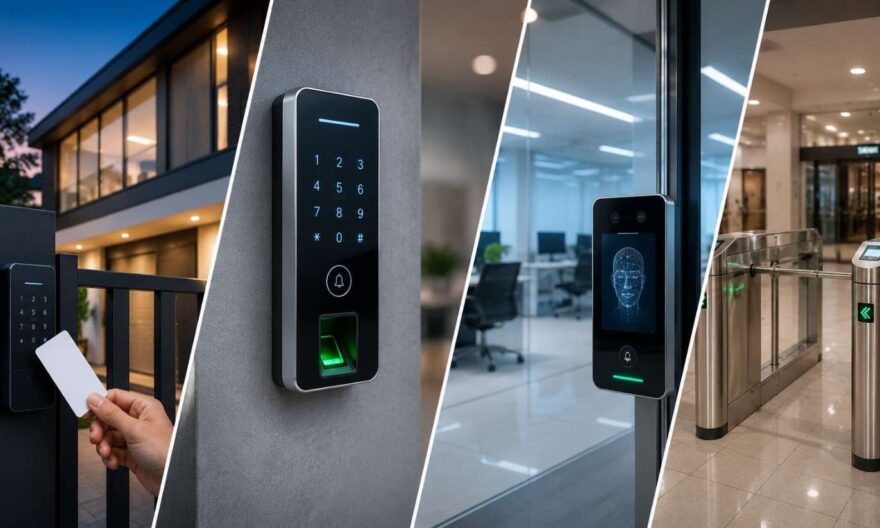
Card systems allow people to enter through secure doors with a swipe or tap. These systems suit offices, schools, or apartment blocks.
Many sites use card systems because they:
- Work with large groups
- Reduce key copying
- Support quick entry
- Allow easy user updates
Keypad Entry Systems
Keypad systems use number codes for entry. These systems fit small offices or homes with fewer users.
Yet owners must change codes often. Shared codes can spread among too many people over time.
Biometric Systems
Biometric systems use fingerprints or face scans. These systems offer strong security because each person carries unique features.
Many business owners choose biometric tools for:
- Server rooms
- Research spaces
- Stock rooms
- Data centres
Mobile Access Systems
Some systems allow entry through mobile phones. Users open doors through secure apps instead of cards or keys. This setup reduces lost cards to support fast access management.
Choose a System Based on the Building Type
Each place needs a different level of control. Therefore, owners must study the daily flow of people before they buy a system.
Homes
Homes need comfort or safety. Most families want simple tools that work with little effort. A wireless doorphone helps residents speak with visitors before they open the gate. This step blocks strangers from direct entry. Families can also use mobile access or card systems. These tools suit flats or gated homes.
Best Features for Homes
- Video visitor checks
- Mobile phone access
- Gate control systems
- Night-time monitoring
- Indoor control screens
Offices
Offices handle staff, clients, or files each day. For this reason, they need stronger control points. Staff may enter many rooms during work hours. Yet visitors should stay in set areas.
Office systems often include:
- Access cards
- Visitor logs
- Lift access control
- Entry records for staff zones
A long-range card reader suits office car parks or busy gates. Staff can enter without delay, which keeps traffic smooth.
Why Offices Need Better Access Control
Offices store valuable data or equipment. Therefore, strong access control lowers the chance of theft or misuse.
It also helps managers:
- Monitor staff movement
- Protect private files
- Restrict sensitive areas
- Improve emergency response
Commercial Spaces
Shops, warehouses, or large sites face heavy movement each day. Therefore, owners need systems that handle crowds or delivery teams.
Large sites often use:
- Gate barriers
- Card access points
- Visitor check desks
- Alarm links with entry systems
These tools protect stock or support smooth movement across the site.
Access Challenges in Commercial Buildings
Commercial spaces often stay open for long hours. Delivery teams, contractors, or visitors enter throughout the day. Because of this, owners need systems that track movement with care.
Strong systems also help prevent:
- Unwanted entry
- Stock loss
- Parking misuse
- Staff-only zone breaches
Key Features to Check Before You Buy
A strong system must fit present needs or future growth. Because of this, buyers should inspect each feature with care.
Ease of Use
People avoid systems that feel hard to use. Clear screens or smooth entry points help staff or visitors. Simple systems also reduce mistakes during busy hours.
Strength and Build
Doors or readers face dust, heat, or rain. Therefore, buyers should pick strong materials that last through daily use. Outdoor systems need weather-resistant designs for better performance.
Expansion Options
A small office may grow into a large site. For this reason, the system should allow new users or doors without major changes. Flexible systems support long-term growth.
Support for Remote Access
Some owners manage buildings from different places. A wireless doorphone can support checks from a phone or a control panel. This feature helps owners respond quickly during visitor calls.
Integration With Other Security Tools
Modern access systems often connect with cameras or alarms. This setup creates stronger building protection.
Integrated systems can:
- Trigger alarms during forced entry
- Record visitor footage
- Lock doors during emergencies
- Improve incident tracking
The Role of Visitor Management
Visitor control forms a key part of building safety. Without clear visitor checks, strangers may move through private spaces.
Good visitor systems help staff:
- Register guests
- Print visitor passes
- Track entry times
- Limit access zones
These tools support both safety or organisation.
Why Visitor Checks Matter
Visitor checks stop confusion at entry points. They also create clear records for future review.
This process supports:
- Workplace safety
- Better staff awareness
- Faster emergency response
- Stronger building control
How to Maintain an Access System
Maintenance keeps systems reliable or secure. Without regular checks, faults may appear at the worst moment.
Basic Maintenance Tips
- Test readers each month
- Clean cameras or screens
- Replace damaged wires
- Update software when needed
- Check battery backup systems
These simple steps improve system life or performance.
Why Regular Checks Matter
Small issues can grow into larger problems over time. Therefore, regular checks protect both users or property. Well-maintained systems also reduce repair costs.
Final Thoughts
The right access system keeps people safe or helps daily movement flow with ease across different buildings. Owners should examine daily traffic, security risks, or future growth before choosing a system. A long range card reader handles busy entry points with speed to keep vehicles moving without delays. At the same time, visitor tools or remote access features strengthen building safety or improve control. When people choose the right system with care, they create secure spaces that bring comfort, safety, or peace of mind to everyone who enters the property.
FAQs
Q 1: Which access system suits small homes best?
Small homes often thrive with simple systems that include visitor calling or remote entry features. These systems help families check visitors before opening doors or shield the home from unwanted entry without making daily use hard for children or older family members.
Q 2: Why do offices use access control systems?
Access control systems guard office staff, files, or work areas from unwanted visitors. They also track guest movement or block strangers from entering private rooms. This setup creates a safer workplace to help teams manage entry points with stronger control.
Q 3: How often should owners maintain access systems?
Owners should inspect access systems every few months to keep them running smoothly. Regular checks uncover damaged parts, weak wires, or software issues before bigger problems appear. Good maintenance also extends system life to prevent sudden trouble during busy work hours.