


Picking a ring may seem like fun; however, picking out the right diamonds could be tough. The sheer number of options in terms of shapes, sizes and different levels of quality may seem daunting to many consumers. A bad choice might not only impact the appearance of the ring but its worth too.
This is the reason why more and more people are opting for bespoke diamond engagement rings. Custom rings allow total freedom in designing the ring in such a way that you can personalise it. The first step in designing a beautiful custom ring would be to pick out the right diamonds.
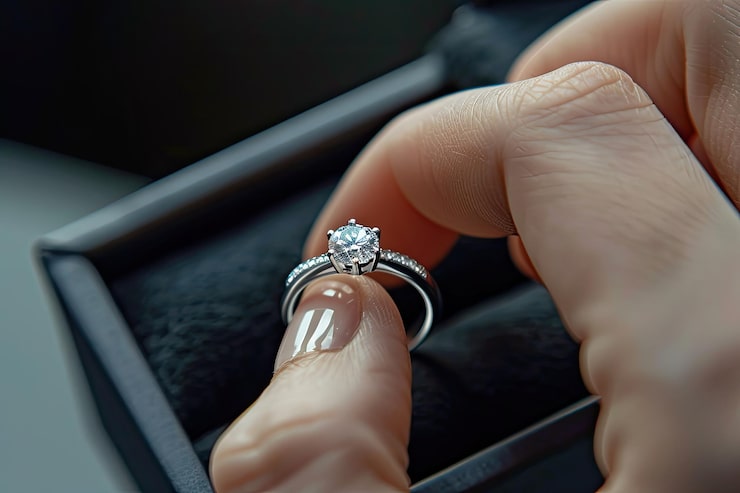
Why Bespoke Diamond Engagement Rings Are Worth Considering
The ring is customised according to your choice instead of choosing one from a showcase. Instead of having limited options and selecting any one of them, you have the ability to pick the diamond, the setting, metal and finish. It allows you to create something unique.
Bespoke diamond engagement rings are more popular nowadays because:
- They provide more liberty regarding designing
- Provide better budget control
- Provide a personalised look
- Allow self-reflection
- More cost-effective
Most importantly, the ring tells your story rather than following a standard template.
How to Select the Right Diamond for a Bespoke Engagement Ring
1. Understand the Four C’s
The four C’s are primary components for evaluating the quality of diamonds. Learning about the four C’s will help you to make a more informed decision.
Cut – The Primary Feature to Consider
Cut determines how much a diamond sparkles. Even a small diamond can shine with an excellent cut.
Colour – Less is Better
Colours of diamonds vary from D to Z. Not all high-quality colours are required, because diamonds with G-H-I colour grades are often colourless but less expensive.
Clarity – An Eye-Clean Diamond Is All You Need
Clarity describes natural inclusions in diamonds. Some clarity grades include VS1, VS2 and SI1, and usually do not have any flaws that are visible to the naked eye.
Carat Weight
Carat is the measure of the diamond’s weight. Selecting diamonds with carat weights slightly under the common points can save you money on diamonds.
2. Choose the Diamond Shape That Suits Her Style
It is the shape of the stone that has a tremendous influence on the general design of the ring. Usually, in a repair jewellery design, this is one of the first aspects you decide on.
- Round Brilliant: Timeless, traditional cut with plenty of sparkle. Goes well with most types of settings.
- Oval: Looks bigger for its weight and provides an elegant, stylish appearance.
- Cushion: Soft and elegant, with rounded sides suitable for romantic designs.
- Emerald: Straight lines give an air of minimalism and elegance.
- Pear or Marquise: Makes your fingers appear longer and adds a unique touch to your ring design.
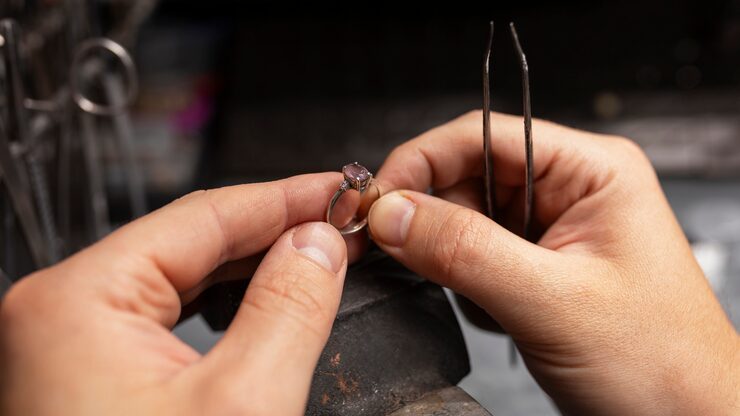
3. Natural vs Lab-Grown Diamonds
Amongst the various factors which need to be considered while purchasing a diamond, one of the major decisions is whether to go for natural or man-made stones.
Natural Diamonds
Natural diamonds are created inside the Earth over a period of millions of years. They possess qualities such as rarity and have a certain traditional element attached to them.
Lab-Grown Diamonds
Lab-Grown diamonds share all of the characteristics of natural diamonds and are relatively cheaper than natural diamonds.
4. Understand Diamond Certification
The diamond certification ensures a thorough and independent evaluation of the quality of the gemstone.
- GIA (Gemological Institute of America): This institute is widely regarded as the most reliable one for grading diamonds globally.
- IGI (International Gemological Institute): Another reputable name known globally, especially when dealing with man-made diamonds.
- AGS (American Gem Society): The AGS enjoys its reputation for having high standards for cut grading, among other things.
5. Pick the Right Setting for the Stone
This is what will set your diamond into the ring – it has an enormous impact on the whole ring’s design.
Prong Setting
It is the most used setting style. Metal prongs hold the diamond, which allows light to pass through it from all angles. Recommended for round and oval cut diamonds.
Bezel Setting
Here, the diamond gets surrounded by a thin metal rim. It is a stylish design that provides great protection for the stone. A perfect option for people with active lives.
Pavé Setting
Small diamonds are lined on the metal frame. Typically paired with a prong or bezel setting in the centre. Very trendy when creating bespoke engagement rings in Singapore.
Halo Setting
A group of small diamonds surrounds the main one. It makes the diamond look bigger than it actually is. Perfect fit for cushion, oval, or round diamonds.
6. Choose Your Metal Wisely
The material you opt for will have an impact on the look and resilience of your wedding band. Every material provides its own unique look and style.
- Platinum: Highly durable and naturally white. Requires minimal care and is great for everyday wear.
- 18K White Gold: Provides platinum’s look at a lower price. Needs to be re-plated occasionally to keep its white colour.
- 18K Yellow Gold: Warm and classic. Works especially well with H–J colour diamonds.
- Rose Gold: Romantic and unique. Goes especially well with vintage styles and softer cuts of diamonds.
How to Work With a Bespoke Jeweller
Collaborating with a custom jeweller makes the creation of a truly personalised ring possible. The process is interactive and aims at making your ideas a reality.
Consultation
The first step in this process is a consultation session in which you discuss your aesthetic preferences, budget, and any other relevant information.
Diamond Selection
At this point, the jeweller will give you various diamonds that fit your specifications and help you choose the most suitable one.
Design Development
The actual design is developed in the form of sketches or digital renderings so that you know how the ring will look.
Craftsmanship
The ring will be made by skilled craftsmen who work on it as per the chosen materials and design details.
Final Review
A close examination of the completed ring takes place to ensure that all the requirements have been met.
Conclusion
Choosing the right diamond for a custom ring is about much more than size or price. The best choice balances cut, shape, clarity, colour and personal style. When these elements work together, the result is a ring that feels both beautiful and meaningful.
Bespoke diamond engagement rings give you the freedom to create something truly personal. They allow every detail to reflect the story behind the proposal. By understanding the Four Cs, setting a realistic budget and working with an experienced jeweller, you can make a confident decision and enjoy a ring designed to last for generations.
FAQs
What is the duration required for making an engagement ring?
Most custom-made rings require a period of four to eight weeks from consultation to completion of the work. If your engagement will fall on a certain date, start working on the ring at least two months ahead of time.
Is a lab-created diamond real?
Yes, lab-created diamonds are very real as they are made up of the exact structure and have the same hardness and optical effects as natural diamonds. They differ only in the way they formed.
What makes a diamond be certified?
Look for grading reports. These should be issued by GIA, IGI, or AGS. You should also check for the laser-inscribed numbers on the diamond’s girdle, which correspond to its certificate report number.
Can I get a repair for my bespoke ring?
Yes, most professional jewellers offer ring repair services such as prong re-tipping, resizing, cleaning and tightening of stones. It is better to return the ring to the original craftsman for repairs.