

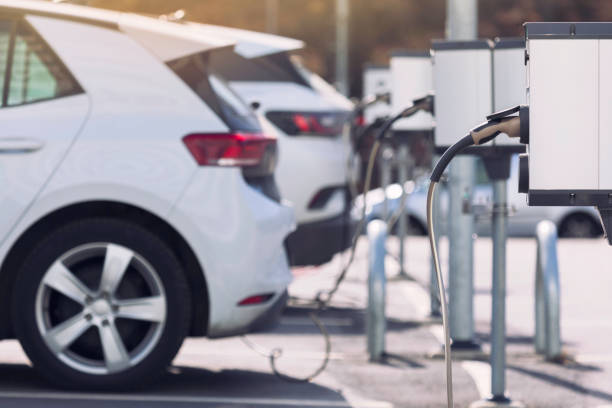
Most electric vehicle drivers believe that their most difficult challenge ends after they complete their vehicle purchase. The process of charging electric vehicles at home starts with the installation of EV charger, which leads to expensive errors.
Many homeowners rush into setting up without checking power load, permits, or layout. The process results in multiple delays, which increase costs and introduce safety hazards.
This guide explains the common mistakes which people make when they install electric vehicle chargers at their residences. It teaches you how to steer clear of frequent hazards while you create effective plans that ensure your installation process from the start will go smoothly.
Why Home Charging Makes Sense
The need to charge at public stations creates problems for drivers because it forces them to stop their journey multiple times. Drivers who need to recharge their vehicles during daily activities should choose home charging because it provides them with faster, cheaper and more efficient charging solutions.
Most Electric Vehicle drivers who establish their home charging systems achieve 80 to 90 per cent of their charging needs from their residential charging stations.
Charging through public fast chargers becomes two to three times more expensive for drivers because they have to pay higher rates for each unit of energy.
What Most Owners Overlook Before Installation of an EV Charger
Here’s where things get interesting — and where most people make avoidable mistakes.
Your Electrical Panel Comes First
The electrical panel in your home needs to be checked before you make any purchase. Most Level 2 EV chargers require installation on a dedicated circuit that provides 32 to 40 amps of power.
This is the single most overlooked step in home EV charger installation. People order the charger, book an electrician, and then discover their panel can’t handle the load.
Not All Chargers Work the Same Way
There are two main types:
- Level 1 chargers: Plug into a standard socket. Slow (10–15 miles of range per hour), but no special wiring needed.
- Level 2 chargers: Require a dedicated circuit. Much faster (25–30 miles of range per hour). This is what most homeowners want.
The Installation Process — Step by Step
Knowing what really happens during installation is one way to protect yourself against surprises.
Step 1: Assess Your Electrical Setup
The licensed electrician will inspect your consumer unit, which people commonly call a fuse box, to determine its existing capacity. The technician will determine whether your system requires a panel upgrade or if there is sufficient space to install an additional circuit.
Step 2: Choose the Right Charger
Match your charger to your car’s onboard charging capability. Some EVs can only accept 7.4kW even if the charger outputs 11kW.
Key things to check:
- Output rating (7kW, 11kW, 22kW)
- Smart features (scheduling, app control, load balancing)
- Weather rating, if it needs to be used outdoors
- Compatibility with your vehicle system
Step 3: Sort Out Permissions
Homeowners in several countries, including Singapore, need to obtain special permission before they can install electric vehicle chargers at their residences.
The building management and relevant authority should be checked first before you schedule an electrician visit.
Step 4: Book a Certified Electrician
The installation of EV chargers requires specialised high-current wiring work, which must be done properly to prevent fire risks. You must hire an electrician who holds certification and possesses expertise in EV charging systems.
The Energy Market Authority (EMA) of Singapore has approved specific contractors who provide services for the area.
Step 5: Test and Register
The system requires complete testing after its installation process before operational use. The local authorities require installation registration or installation notification in certain geographical areas.
EV Charger Installation in Singapore — What’s Different
EV charger installation in Singapore has specific rules that don’t apply everywhere, and they’re worth knowing.
HDB Flats
The process of installing an EV charger inside an HDB flat requires more work because current methods do not allow for easy installation.
The expanding system of public charging stations located at car parks serves as the main charging solution for most HDB residents.
Condos and Private Properties
Most private property owners have the right to set up their own home charging stations. However, condominium management must give its authorisation before private property owners can install home chargers.
Common Mistakes to Avoid
These come up again and again, and they’re all avoidable.
- Buying the charger before assessing the electrics: Always check your panel first. Return policies on chargers are not always generous.
- Ignoring load management: If you have solar panels, a heat pump, or other high-draw appliances, a smart charger with load balancing will protect your home’s circuits and save money.
- Choosing based on price alone: Cheaper chargers may lack smart features, have poor weather sealing, or come with limited warranties. This is a long-term investment.
Conclusion
Installation of EV chargers at home needs more than just basic wall-mounted box installation. The first step requires checking your electrical system before you choose the appropriate vehicle charger and acquire the essential permits which will help you save time and money while preventing annoying situations.
Begin by conducting a complete electrical evaluation before proceeding through the entire process. The correct installation procedure gives you an economical residential charging system which will deliver reliable performance throughout many years.
Frequently Asked Questions
Is it possible for me to install my own EV charger?
No. Only certified electricians should perform EV charger installation work, which includes high-current electric systems. Your home insurance will become invalid if you attempt to do the work yourself.
How long does home EV charger installation take?
A standard installation takes two to four hours. The job becomes more time-consuming when your electrical panel requires upgrading because it needs either additional day work or a second visit.
What are the main distinctions which separate Level 1 EV chargers from Level 2 EV chargers?
A Level 1 charger uses a standard household socket and charges slowly — suitable for low-mileage drivers. A Level 2 charger needs a dedicated circuit, but it provides faster charging, which makes it the most suitable option for most electric vehicle drivers.
Do I need permission to install an EV charger at home in Singapore?
Yes, in most cases. Condo residents need management approval. HDB residents need to obtain HDB approval because current regulations restrict their ability to install private systems. Landed property owners have the most flexibility.