

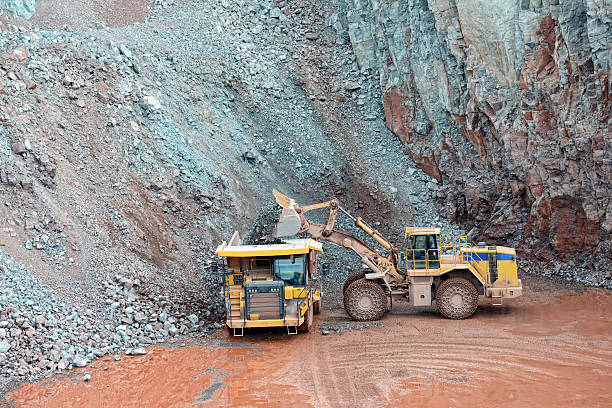
Picking the right machine for your work needs smart thinking, especially in a busy place like Singapore. Every tool on-site must pull its weight and work fast. A wheel dumper carries heavy loads, so it must match your job perfectly. If you’re adding more machines or switching from a rental dumper, make sure you look at the key points first. This guide helps you spot the right fit, dodge costly mistakes, and choose a dumper that works as hard as your crew.
Match the Machine to the Job
Not all dumpers work well on every site. You need one that suits your space, slope, and workload.
Size and Power Matter
A model that’s too large burns fuel and clogs your site. One that’s too weak will strain under load.
Look at:
- Site layout and access width
- Average material weight
- Required trip frequency
Terrain Can’t Be Ignored
Singapore’s job sites range from paved areas to rugged ground. The buying wheel dumper Singapore, wrong wheels or clearance means downtime.
Ask yourself:
- Does the site have sharp inclines or soft soil?
- Will the dumper need high ground clearance?
- Is 4WD needed for better grip?
Consider the Operator’s Ease
A comfortable, simple-to-handle machine reduces mistakes and speeds up work.
Visibility Boosts Safety
When drivers see more, they steer better and react quicker. Avoid blind spots wherever possible.
Look for:
- Wide-angle mirrors
- Rear-view cameras
- Clean, unobstructed lines of sight
Control Systems Should Feel Natural
Complex dashboards slow operators down. Look for setups that mimic standard machines.
Safety Features Aren’t Optional
Singapore’s construction sites get busy. Your dumper must protect workers and prevent rollovers or slips.
Build with Protection in Mind
The design itself should help avoid harm.
Make sure it includes:
- Roll-over bars or enclosed cabins
- Seatbelts that lock during jolts
- Strong step ladders with a grip
Stability Must Come First
Carrying loads on rough ground can shift the centre of gravity quickly. Choose a buying wheel dumper Singapore that has built-in load sensors if possible.
Think Beyond the Purchase
Owning a machine comes with hidden costs: breakdowns, parts, and servicing downtime.
Choose Machines Built for the Climate
Singapore’s heat and rain wear down weak builds fast. Go for corrosion-resistant bodies and sealed wiring.
Assess Long-Term Service Support
A dumper that’s idle due to a missing part is as good as useless.
Ask around about:
- Local technician support
- Response times for servicing
- Availability of consumables like filters and oils
If any of these seem uncertain, consider short-term dumper rental instead.
Stick to Legal and Environmental Rules
Singapore doesn’t play around when it comes to compliance. A dumper that flouts the rules can halt your entire project.
Know the Local Regulations
Every machine needs to meet NEA and BCA standards.
Confirm:
- Emission certifications
- Noise compliance ratings
- Licensing for public road use (if needed)
Failing one rule could mean fines, delays, or removal from the site.
Choose the Right Load Capacity
Too many first-time buyers overestimate or underestimate capacity needs.
Right-Sized Loads Avoid Waste
Undersized dumpers mean more trips. Oversized ones create safety risks or unbalanced hauls.
Tips:
- Track average load weights per trip
- Account for material type (sand, rubble, waste)
- Align the dumper size with the excavator or loader output
The right match increases workflow efficiency.
Look into Dumping Mechanism Options
Not all dumper rental are unloaded the same way. The wrong mechanism could jam or spill on uneven ground.
Consider Swivel vs. Straight Tip
- Straight tip: good for simple, direct dumping
- Swivel tip: better on tight sites with limited turn space
- High-tip: ideal when dumping into raised bins or trucks
Test different types if unsure. One wrong move with the load could cause delays or damage.
Compare Fuel Types and Efficiency
The cost of running the machine over time adds up. Choose a fuel type that aligns with your site’s setup.
Diesel Remains Popular, but Check Alternatives
While diesel engines lead in power, some sites restrict them due to emissions.
Alternatives to explore:
- Electric dumpers for indoor or low-noise sites
- Hybrid models for mixed environments
Think long-term fuel access and storage, too. Will you need separate refuelling stations?
Plan for Transport and Storage
Getting the dumper to your site and storing it after hours can present more issues than expected.
Consider the Logistics
- Can your vehicle carry the dumper to the site?
- Will it need towing permits?
- Is there a secure, covered space to store it during downtime?
Storage costs and damage from the elements affect machine lifespan. Build this into your buying plan.
Evaluate Technology and Add-ons
New dumpers offer smart add-ons that help track usage and keep safety tight.
Decide What’s Worth It
Don’t pay extra for features you’ll never use to but don’t skip what keeps jobs running smoothly.
Useful features include:
- Load sensors with alerts
- GPS tracking for theft prevention
- Telematics to monitor machine health.
These options can lower insurance and extend equipment life.
Spot the Build Strength with Your Own Eyes
Every dumper looks tough from afar. But when you walk closer, you start to see what it’s really made of. A strong dumper stands up to hard work and rough land. So, take time to study how it’s built before you buy.
Look Closely at These Parts
- Scan the welds to see if they hold tight or show cracks.
- Press the tyres to check for deep grips and no cuts.
- Knock on the frame to feel for thick steel without rust.
- Watch the hydraulics to make sure they move smoothly and stay dry
One weak part today can wreck your work tomorrow.
Chat with the Ones Who Drive It Daily
The best advice comes from people who steer, load, and dump with the machine every day. They feel what works and what doesn’t. Talking to them gives you real answers for not just what’s written in a book.
Ask Them Things Like
- What makes this dumper easy or hard to use?
- Does anything slow you down while working?
- How often do you fix it?
- Can it handle bumpy paths without trouble?
Their stories show you what to expect before you bring one to your site.
Final Thoughts
Spending money on big machines means more than just buying; it means choosing well. You need the best wheel dumper for your site, one that handles rough ground and heavy loads without trouble. Think about how it drives, dumps, and stays safe. Don’t rush to study your needs; check each part, and pick with care. If buying feels too soon, test a rental dumper first. That way, when you’re ready to own one, you know it’s the right match for the job.
Frequently Asked Questions
Q1: What should I check before buying a dumper?
Study the frame, test the controls, scan safety parts, and dig into its service past. Always roll it around a space like your worksite first.
Q2: How long does a dumper usually last?
Most dumpers hold strong for 8 to 10 years when you clean them, fix small issues fast, and use them the right way each time.
Q3: Can I use the same dumper for all job sites?
No. Some spots squeeze big machines, others demand more muscle. Pick the one that fits the ground, load, and job size best.
Q4: What’s better for buying or renting?
Rent it if you want to test it or only need it for a short time. Buy when you’re sure it suits your daily work.
Also Read: Top Safety Practices When Operating a Telehandler in Singapore Job Sites