


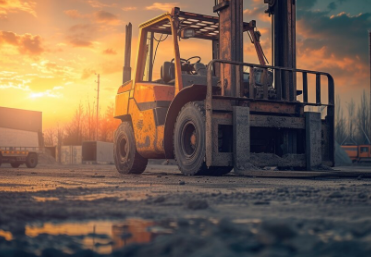
Builders in Singapore work fast and stay sharp. On every site, machines help carry the load, but none stretch and lift like a telehandler. This strong tool hoists heavy things high off the ground. But if you steer it the wrong way, trouble comes quick. Each pull of a lever or roll of a tyre needs care and clear thinking. Good habits must begin before the engine hums and keep going until the job wraps up. With the right moves, you protect people and keep the day on track.
Machine Before Use
Before climbing into the driver’s seat, learn the machine’s limits and controls. A telescopic handler has unique movement and balance rules. Knowing these can stop many accidents.
Key Steps Before Starting the Engine
- Study the user manual closely.
- Check the lifting chart for each job.
- Test all controls in a safe zone before starting work.
- Understand all warning lights and gauges.
Inspect Before Every Shift
Look over the equipment before each use. A quick check might reveal damage or worn-out parts that need repair.
What to Look for During Checks
- Scan tyres for cuts, wear, or low pressure
- Test the brakes and steering.
- Confirm lights and horns work well.
- Inspect the forks or attachments for cracks
Daily checks take only minutes but protect against serious problems later.
Weight Limits and Load Guidelines
Overloading a boom lifter can cause it to tip or break therefore telehandler safety tips Singapore. Stick to the approved load limit always. Use the right forks or attachments for each load.
Best Practices for Load Handling
- Never lift more than the rated weight.
- Place loads in the centre of the fork
- Use the boom only at the needed length.
- Secure loads with straps if required.
Move with Caution on Job Sites
Job sites in Singapore can be tight, busy, or uneven. Move with purpose and never rush. Stay alert for workers, gear, and sharp turns.
Ways to Navigate Safely
- Drive slowly, especially around corners.
- Use a spotter when reversing or turning in blind spots.
- Keep the boom low when moving.
- Avoid sudden turns or stops.
Speed and sharp moves are risky on any site—steady movement wins every time.
PPE and Follow Site Rules
Wear the correct safety gear and follow site rules at all times. This helps protect both the operator and nearby workers.
Gear Up Right for Every Shift
- Hard hat
- High-visibility vest
- Safety boots with grip
- Gloves for loading tasks
Always use the seatbelt in the cabin. This small step could save your life.
Train, Refresh, and Stay Sharp
Even skilled operators need updates. Regular training helps avoid mistakes and builds safer habits.
Keep Your Knowledge Current
- Attend refresher courses every year
- Practice emergency drills often.
- Learn from past incidents or near-misses
- Watch updated safety videos from trusted sources.
No one becomes too skilled to learn something new. Safety grows with training.
Weather and Ground Conditions
Weather and ground changes can affect how a boom lifter works therefore you have to always measure telehandler safety tips Singapore. Wet, soft, or uneven ground may cause slips or tipping.
Adjust Based on Conditions
- Avoid using the machine in heavy rain or high winds.
- Place boards or pads under the wheels on soft ground
- Check for slopes or holes before driving.
- Stay alert to mud and debris on tyres
Conditions in Singapore change fast. Always pause to assess before moving.
Plan Your Route in Advance
Plotting your path helps avoid hazards. A clear route stops confusion and reduces the chance of accidents.
Tips for Safer Planning
- Walk the route before you drive
- Clear tools or debris in your path
- Mark tight corners or low beams.
- Choose the widest path where possible.
Good planning gives space to focus on driving, not dodging hazards.
Keep Communication Clear on Site
Operators often work with teams. Poor communication can cause missteps or injuries. Speak clearly and agree on signals before starting.
Safe Communication Habits
- Use hand signals for lifts and turns.
- Speak over the radio if noise levels are high.
- Confirm instructions before moving the boom.
- Make eye contact with ground workers when needed
Misunderstandings can cause accidents. Clear talk builds safe teamwork.
Park and Shut Down Properly
Ending your shift with the right steps keeps the site safe for everyone. Never leave a machine in gear or blocking a path.
Safe Shut-Down Steps
- Lower the boom fully.
- Apply the parking brake.
- Turn off the engine
- Remove the key
A parked machine can still cause harm if left in the wrong way. Finish each job the right way.
Know Emergency Procedures
Emergencies can strike at any time while using a telescopic handler. Stay ready to act fast if something goes wrong.
Be Prepared For:
- Load slips or shifts
- Machine tipping
- Fire or fuel leaks
- Brake failure
Every site should post emergency numbers and response plans clearly. Study them before your first task each day.
Spot Hazards Before You Start the Job
Before you climb in or lift a load, scan your work area. Job sites in Singapore change quickly. New dangers can sneak in overnight. Catch problems early to guard yourself and your crew.
Check the Area Around You
Before you steer the boom lifter, walk the area. Look closely for anything that might trip you up or block your way.
- Toss aside loose tools, wires, and rubble.
- Mark soft ground or holes with cones
- Spot power lines hanging above
- Watch for people walking on your path.
- Notice sharp slopes or tight turns.
Stay Focused from Start to Finish
When you drive, stay sharp. One glance away can lead to a mistake. Focus helps you steer steady and finish strong.
Shut Out Distractions While Driving
Even a short break in focus can cause danger. Keep your hands and eyes on the job.
- Mute music and silence phone alerts
- Skip snacks or drinks while driving.
- Follow hand signs from your spotter.
- Save chats for break time.
Final Thoughts
Using a telehandler safely means thinking ahead and moving with purpose. Every morning, check the machine. Every evening, shut it down right. In between, make smart choices. On busy sites in Singapore, workers who follow safety steps guide the whole team in the right way. When you stay sharp and act with care, the job flows better, accidents stay away, and your crew stays strong. Lift with thought, drive with care, and shape the site with every steady move.