

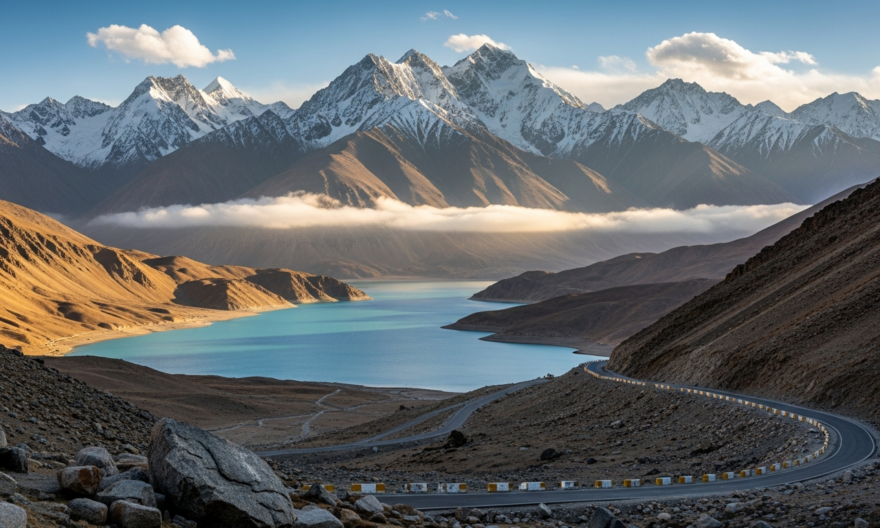
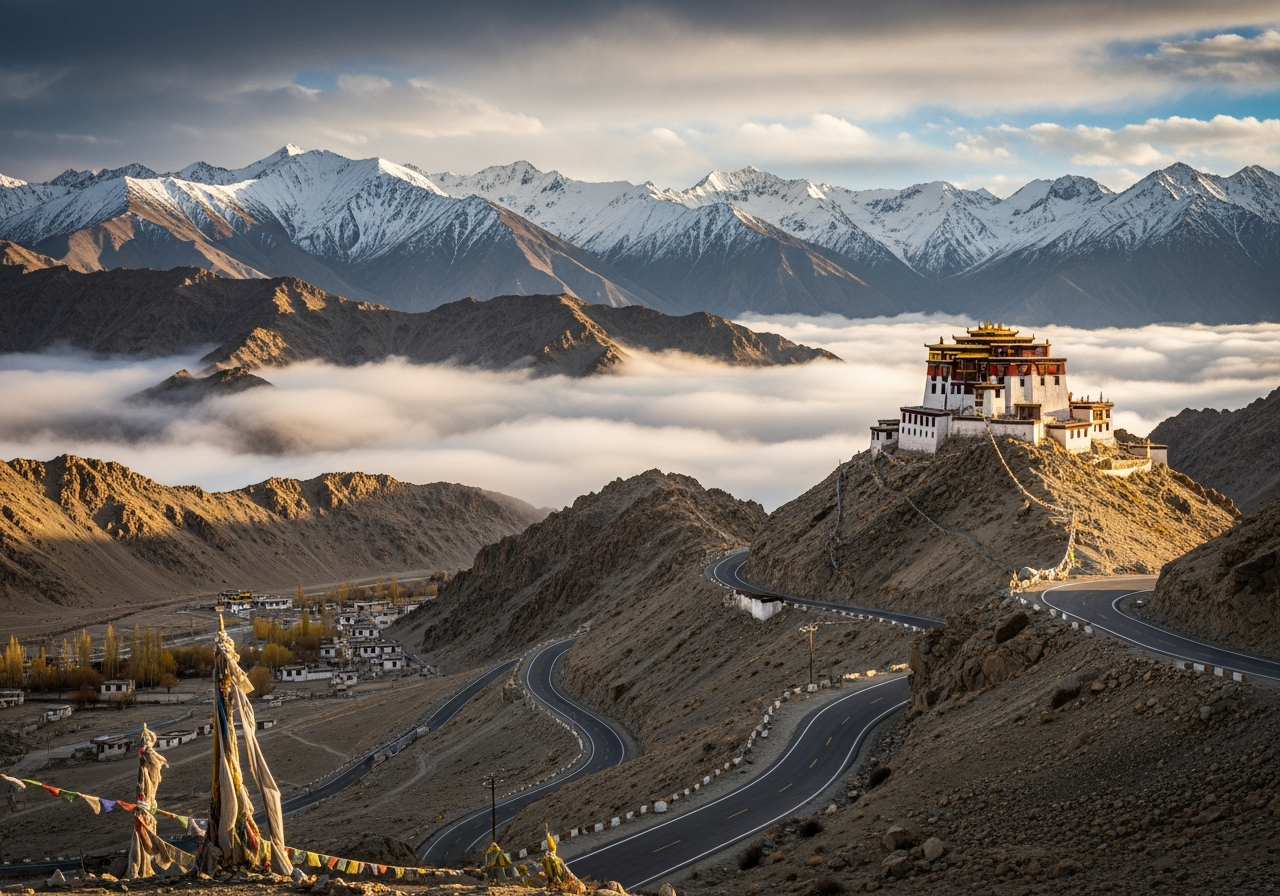
High in the Indian Himalayas, where the mountains seem to touch the sky and Buddhist prayer flags flutter in the wind, Markha Valley awaits trekkers with a passion for adventure and authenticity. Far from the chaos of city life, the Markha Valley Trek delivers a soul-stirring journey through dramatic canyons, ancient villages, glacial rivers, and high-altitude passes—all set against the awe-inspiring backdrop of Ladakh. If you’re dreaming of a Viaggio in Ladakh that combines raw nature, cultural immersion, and genuine challenge, this trek is your invitation to one of the Himalayas’ most celebrated experiences.
Why Choose the Markha Valley Trek?
The Markha Valley Trek is often called “the classic trek of Ladakh”—and for good reason. It’s accessible, yet remote; challenging, yet deeply rewarding. Whether you’re a seasoned trekker or an adventurous traveller seeking your first Himalayan experience, this journey at 4,000 meters will leave you with stories to tell for a lifetime.
Highlights:
- Traverse breathtaking landscapes—from rocky gorges to alpine meadows.
- Stay in traditional Ladakhi homestays and interact with warm-hearted locals.
- Discover Buddhist monasteries perched high above the valley.
- Cross exhilarating river fords and two high passes: Ganda La (4,940m) and Kongmaru La (5,150m).
- Spot Himalayan wildlife, including blue sheep, marmots, and if you’re lucky, the elusive snow leopard.
When to Go
The best time for a Viaggio in Ladakh and the Markha Valley Trek is from mid-June to late September. During these months, Ladakh enjoys a relatively mild, dry climate with clear skies and comfortable trekking conditions. Outside this window, snow closes the high passes and makes the trail inaccessible.
Getting to the Trailhead
Ladakh’s capital, Leh, is the gateway for all Himalayan adventures in the region. Reachable by daily flights from Delhi and a few other northern Indian cities, Leh sits at an altitude of 3,500 meters (11,500 feet). It’s crucial to spend at least two days acclimatizing in Leh before starting your trek, as sudden altitude gain can cause acute mountain sickness.
While in Leh:
- Visit Leh Palace, Shanti Stupa, and the bustling local bazaar.
- Explore nearby monasteries like Thiksey and Hemis.
- Arrange your permits (required for trekking in Ladakh) and stock up on last-minute supplies.
The Markha Valley Trek typically begins at Chilling, which is about a two-hour drive from Leh and located on the banks of the Zanskar River.
Trek Itinerary: The Heart of the Adventure
Day 1: Leh to Chilling, Trek to Skiu
After acclimatizing in Leh, drive to Chilling and cross the Zanskar River via a thrilling cable trolley. The trek begins gently, winding through a narrow canyon before reaching the quaint village of Skiu. Here, you’ll get your first taste of Ladakhi hospitality in a family homestay.
Day 2: Skiu to Markha
A longer, but relatively gentle walk-through willow groves and barley fields follows the Markha River. Along the way, you’ll encounter Mani walls (stone structures engraved with Buddhist prayers), chortens, and the occasional herd of yaks. The day ends at Markha village, the largest settlement in the valley.
Day 3: Markha to Hankar
The landscape becomes more dramatic as the valley narrows. Village life continues as it has for centuries—children tending livestock, women weaving, monks reciting mantras. The imposing Kang Yatse peak (6,400m) appears on the horizon, a constant companion for the next few days.
Day 4: Hankar to Nimaling
Today, the trek climbs to the high-altitude pasture of Nimaling, where herders graze their flocks in summer. The air is thin and the scenery, sublime—rushing streams, green meadows, and snowy peaks all around.
Day 5: Nimaling to Kongmaru La and Descent to Chokdo
The most challenging day! You’ll ascend to Kongmaru La Pass (5,150m), the highest point of the trek, where prayer flags flutter in icy winds and the views stretch endlessly across the Zanskar and Karakoram ranges. The descent is steep but rewarding, ending in the village of Chokdo. From here, a vehicle can take you back to Leh.
Optional: Extensions & Side Trips
Add a day to visit remote monasteries or try a detour to Shang Sumdo. Some trekkers opt to summit Kang Yatse (with proper equipment and guidance), turning their Viaggio in Ladakh into a mountaineering adventure.
Accommodation and Food on the Trek
One of the joys of the Markha Valley Trek is the chance to stay with local families in traditional Ladakhi homestays. These are simple but clean, offering basic beds, blankets, and hearty home-cooked meals. Expect dishes like thukpa (noodle soup), momos (dumplings), chapati, dal, rice, and plenty of butter tea. It’s a wonderful way to directly support the community and experience true Ladakhi culture.
In some places, tented camps are available, particularly at Nimaling.
Essential Packing List
At 4,000 meters, the weather can change quickly. Be prepared for sunshine, wind, and unexpected snow—even in summer!
- Sturdy, broken-in trekking boots
- Warm layers (fleece, down jacket, thermal underwear)
- Waterproof jacket and pants
- Sleeping bag (rated for at least -10°C/14°F)
- Sun protection (hat, sunglasses, SPF 50 sunscreen)
- Water bottles and purification tablets/filter
- Snacks and energy bars
- Basic first aid kit, including medication for altitude sickness
- Trekking poles (useful for river crossings and descents)
- Personal toiletries (biodegradable soap, wet wipes)
Altitude and Safety
The Markha Valley Trek is a high-altitude adventure. Proper acclimatization is essential—don’t rush! Symptoms of altitude sickness include headache, nausea, dizziness, and shortness of breath. If you feel unwell, descend immediately and inform your guide.
Stay hydrated, move at a comfortable pace, and eat well. Hiring a local guide or joining a reputable trekking group is strongly recommended—not only for safety but also for enriching your Viaggio in Ladakh with local knowledge and connections.
Culture and Responsible Travel
The Markha Valley is dotted with small Buddhist villages where traditional ways of life endure. Respect local customs:
- Always walk clockwise around stupas and Mani walls.
- Ask before taking photos of people.
- Dress modestly—shoulders and knees covered—especially in villages and monasteries.
- Minimize plastic; carry reusable bottles and bags.
- Support the local economy by purchasing handicrafts and using local guides and homestays.
Responsible trekking ensures that future generations can enjoy the beauty and hospitality of Ladakh.
Wildlife and Natural Wonders
On your Viaggio in Ladakh, keep your eyes peeled for blue sheep (bharal), Himalayan marmots, golden eagles, lammergeiers, and—if luck is with you—the elusive snow leopard. The valley’s wildflowers add a burst of color to the summer landscape, and the night skies are dazzling, thanks to Ladakh’s high altitude and pristine air.
Extending Your Adventure
The Markha Valley Trek is just the beginning. After the trek, consider exploring:
- Pangong Lake, Tso Moriri, or Nubra Valley for otherworldly landscapes.
- Monastery festivals in Hemis, Thiksey, or Lamayuru.
- A detour to Zanskar or even a rafting trip on the Zanskar River.
A Viaggio in Ladakh offers endless possibilities for those who thirst for exploration and connection.
Conclusion: Markha Valley—Where Adventure Meets the Soul
The Markha Valley Trek is more than just a route through the Himalayas—it’s a journey into the heart of Ladakh, where every step brings new perspectives and deeper connections. Whether you seek the thrill of crossing high passes, the comfort of village hospitality, or the serenity of Buddhist chants echoing through the mountains, this trek is a celebration of nature, culture, and human endurance.
Let your Viaggio in Ladakh begin with the Markha Valley Trek, and return home with a spirit forever touched by the Himalayas.