

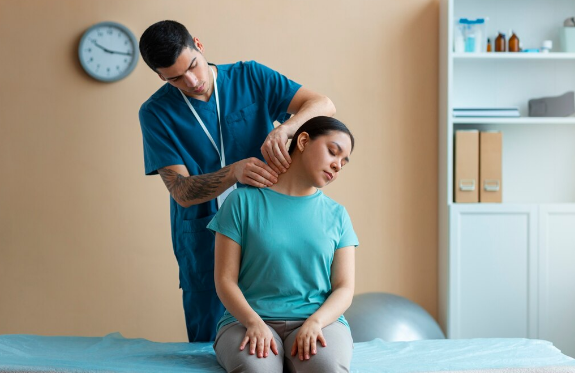
Feeling pain in the body can slow you down in your daily routine. Most of the people face these problems like stiff joints or sore muscles. Sometimes people also face pain because of poor body movement due to long sitting. There is also some cause for it, such as playing sports for long hours or old injuries. A physiotherapy clinic in Singapore can help people to solve this issue. They even help you regain your strength. It also helps you to tighten your loose muscles that move with greater ease through guided care plans. They also teach healthy movement habits that protect the body or support long-term health.
Why People Choose Pain Relief Treatment
People visit a clinic for many reasons. Some face neck pain from desk work. Others battle knee strain after sports. In some cases, people need help after surgery or injury. A therapist studies movement patterns to check muscle strength before building a treatment plan.
Common Conditions
● Back pain
● Shoulder strain
● Sports injuries
● Joint stiffness
A therapist studies how the body moves. Then the therapist builds a plan that targets the root cause. As a result, the body gains strength or control. At the same time, many people also notice better posture or smoother movement after regular sessions.
How Treatment Supports Recovery
Treatment uses movement, stretching, or muscle work. Each session aims to reduce pain or restore motion. Moreover, the therapist teaches safe habits for daily life. This guidance helps people avoid strain during work, exercise, or home tasks.
What Happens During a Session
● Body movement checks
● Stretch routines
● Strength drills
● Hands-on muscle work
● Posture guidance
People often search for a physiotherapy clinic near me after pain disrupts daily tasks. A nearby clinic can support steady care, which helps the body recover step by step.
The Role of Exercise in Healing
Exercise forms a key part of recovery. Strong muscles protect joints or improve balance. In contrast, weak muscles place stress on the body. Guided movement also improves flexibility for supports blood flow.
Benefits of Guided Exercise
● Better posture
● Greater flexibility
● Stronger muscles
● Fewer injury risks
● Easier movement
Simple exercises can bring major change over time. Therefore, many people continue their routines at home after each visit. A steady routine often leads to faster progress or stronger long-term results.
How Treatment Supports Office Workers
Work time in the office tends to put a strain on the neck region, shoulders, or even the lower back. Sitting for long hours at a desk can make muscles go tight, or it can also narrow your range of motion. Sometimes bad posture will cause headaches as well, or it can bring on arm discomfort.
Common Desk-Related Problems
● Neck stiffness
● Wrist strain
● Lower back pain
● Rounded shoulders
● Eye or shoulder tension
A therapist can teach posture correction or stretching methods. In addition, movement breaks during the day can reduce pressure on muscles or joints. Small changes in sitting habits often create lasting relief.
Sports Injuries and Recovery Support
Sport keeps the body active or strong. Yet quick turns, jumps, or falls can lead to injury. Runners, swimmers, football players, or gym users often seek treatment after muscle strain or joint pain.
Injuries That Need Attention
● Sprained ankles
● Torn muscles
● Knee pain
● Tennis elbow
● Shin splints
A recovery plan focuses on healing or safe movement. At the same time, strength drills help prevent the injury from returning. Therapists also guide athletes through warm-up or cool-down routines for safer training.
Care After Surgery
The body needs time to recover after surgery. This helps people regain movement or strength during recovery. Treatment may begin with light exercises before moving into stronger routines.
Goals of Post-Surgery Care
● Improve joint movement
● Reduce stiffness
● Build muscle strength
Steady progress matters during healing. Because of this, therapists monitor movement closely to adjust exercises when needed. Each stage supports safe recovery without placing stress on the body.
Support for Older Adults
Age can weaken muscles or reduce balance. Joint pain may also limit movement or affect daily life. This helps older adults stay active or independent through safe exercise or guided care.
Benefits for Seniors
● Better balance
● Improved walking strength
● Reduced joint pain
Simple exercises can support healthy movement at any age. Moreover, regular sessions help many older adults continue hobbies, walks, or social activities with ease.
The Importance of Good Posture
Posture shapes how the body moves or feels. Poor posture places pressure on muscles, joints, or the spine. Over time, this strain may lead to pain or stiffness.
Signs of Poor Posture
● Rounded shoulders
● Forward head position
● Tight neck muscles
A therapist can teach posture habits that support the spine. Stretching or strength work also improves body alignment. As posture improves, movement often feels lighter or smoother.
How Treatment Improves Children’s Body Movement
Children may need support for balance, posture, or sports injuries. Some children also face muscle weakness or movement challenges during growth stages.
Areas That Treatment Can Support
● Coordination skills
● Walking patterns
● Sports recovery
Therapists use safe or simple exercises for young patients. Sessions often include movement games to guided tasks. Because of this, children stay engaged while building strength or balance.
Healthy Habits That Protect the Body
Daily habits can shape long-term health. Small changes in movement or posture often reduce the risk of pain or injury.
Helpful Daily Habits
● Stretch after long sitting periods
● Lift heavy objects with care
● Wear supportive footwear
These habits support muscle or joint health. In addition, they help the body move with less strain during daily tasks.
Choosing Care That Fits Your Needs
The right clinic should provide clear guidance or personalised care. A skilled therapist listens to concerns or explains each stage of treatment in simple terms.
What to Look For
● Clear communication
● Clean treatment spaces
● Detailed movement checks
Good care builds trust or comfort during recovery. Therefore, many people search for a physiotherapy clinic near me that stays committed to treatment when they feel supported or understood.
Conclusion
Pain can not decide your life, how will you live? For this reason, to make yourself free from pain, you need the right treatment for early recovery. A physiotherapy clinic in Singapore can provide you with the right treatment that can support you to get back to your normal life. It helps you to heal, support renewed motion, or build up strength using careful, safe exercises or hands-on care. With ongoing backing, movement often feels steadier, posture can improve, stiffness can ease, or the chance of future injuries may drop.
FAQs
1. How long does recovery usually take?
Recovery time shifts depending on the specific condition, the pain level, or overall body strength. Some people feel a kind of relief after just a few sessions, yet others need extra time or more careful attention. Regular movement practice, or a steady treatment plan, often makes the healing happen faster or helps the body travel more smoothly with less stiffness.
2. Can treatment help with sports injuries?
Yes, treatment can ease muscle strain, joint pain, or sports injuries. Guided stretches or strength drills rebuild muscle power, improve flexibility, or protect the body from future injuries during sport or daily movement.
3. Do children or older adults need this type of care?
Children or older adults can both gain support from guided movement care. Treatment helps children sharpen balance or coordination, while older adults build strength, improve posture, or move through daily tasks with greater confidence.
4. What should people wear during a session?
People should choose loose or comfortable clothes that allow free movement. Supportive shoes also help during walking drills or exercise routines. Comfortable clothing helps the therapist check body movement or guide exercises with ease.
Contact Us:
Address: 360 Orchard Rd, #03-11/13, International Building, Singapore 238869
Phone: 6518 3603
Email: reception@edgehealthcare.com.sg
Website: www.edgehealthcare.com.sg