

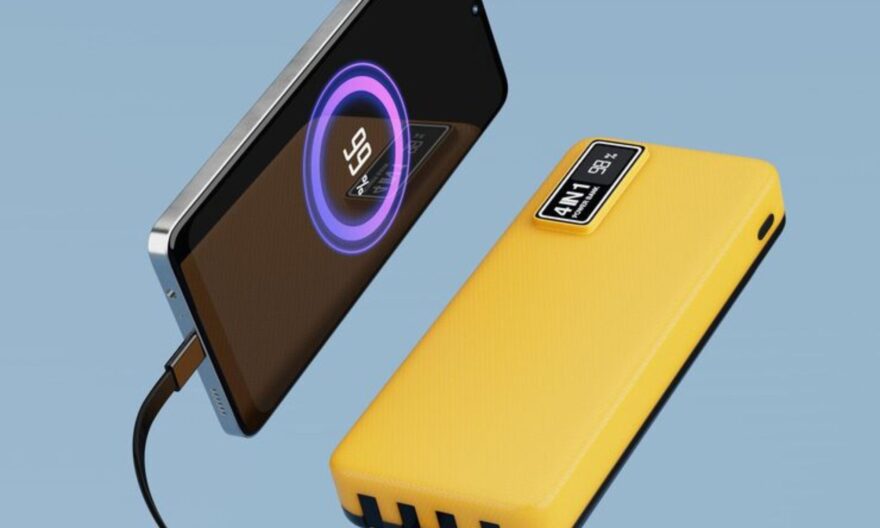
Today’s world runs on phones and gadgets that need power all day long. Phones die at the worst times, leaving folks stuck with no calls or way to pay. Shops and places now see this gap and offer easy charging for their guests. A power bank rental machine gives a quick fix to this common problem. These self-serve kiosks hand out portable batteries that users can borrow and drop off at any spot. The system works through phone apps that handle deposits, payments, and tracking. Such services are now common in malls, airports, and fun spots. Knowing how these machines work helps shop owners decide if adding one helps their place.
How Power Bank Rental Machines Work
These self-serve kiosks hold many portable batteries in a safe charging dock. Users get the app to find nearby machines and start a rental. Scanning a code unlocks a full battery that slides out for use. The system charges a fee based on how long you keep it, often with a max daily rate. Users can drop the battery at any machine in the network, not just the one they got it from. The dock charges the returned unit and gets it ready for the next user. This network style makes it easy and gets more folks to use it.
1. The Rental Steps
Guests find a machine through the app that shows which ones have batteries. They scan the code on the unit, which opens one slot right away. The app tracks how long they have it and adds up the fees on its own. Dropping the battery at any machine ends the deal with no fuss.
2. Tech Inside the Kiosk
Each machine has a charging dock with slots that monitor battery levels. Built-in cell service tells the main system about stock and machine status. The software runs user accounts, payments, and spot tracking across the whole network.
Key Things to Look At
Different machine types have different sizes, screens, and pay options. Basic units just give and take batteries with a simple setup. Fancy kiosks have touch screens that show steps and ads. Some machines take cash along with phone pay, so more folks can use them. How many battery slots it has sets how many can be rented at busy times. Strong build matters for busy spots where machines get lots of use.
1. Battery Bits
Good machines use high-power batteries that charge most phones fast. Each battery should have different plug types to fit various devices. The units need tough cases that can take lots of use. Steady work over thousands of uses keeps users happy.
2. How Long Does the Machine Last?
Kiosks in public spots need strong builds that stop folks from messing with them. Weatherproof units work well outside or in damp spots. Touch screens stay quick even with heavy use. Good gear means fewer fix calls and less downtime.
Things to Think About for Setup
Putting in a rental machine means looking at space, power, and how many folks pass by. Machines need flat floors near power points to run all the time. Busy spots get more rentals, so you see your money back faster. Shops should think if guests often need charging spots. Placing them near seats or waiting areas gets more eyes on them and more use.
1. Where to Put It
Spots where folks hang out, like cafes or waiting rooms, are good picks. Front lobbies catch guests before they start their visit. Easy to see from the main paths gets folks to rent on a whim. Being near power points makes setup easy.
2. Power and Web Needs
Each machine needs a normal power outlet to keep running. Good web links let it take payments and track stock. Backup power stops it from going down when the power cuts.
Cost and Money
Machine owners earn cash from rental fees shared with the service provider. Guests pay a small fee per rental, often with the first hour free or at a low rate. The provider usually handles fixes, battery swaps, and guest help. Owners get a cut of rentals from their spot. Busy spots can make a good side income from this service.
1. How They Split the Cash
Providers give different plans based on the spot and how many they think will rent. Some pay a set fee each month, while others split the rental cash. Busy spots may get a better deal. Clear deals stop mix-ups about how pay works.
2. What Guests Pay
Rental fees often start with a low rate for the first hour. Daily caps stop folks from paying too much for longer rentals. Return rules let you drop it at any spot in the network.
Upkeep and Help
Service providers take care of the machines and batteries. They watch stock from afar and fill up batteries when needed. Regular cleaning and software updates keep machines running well. Quick fixes deal with any tech issues that pop up. This helps shop owners focus on their own work.
1. Watching from Afar
Central systems track battery stock and machine status in real time. Alerts help teams when units need care. Data helps guess when fixes are needed before issues start. Watching ahead stops service breaks.
2. Guest Help
Provider call centres take questions about rentals, returns, and bills. Clear return rules stop mix-ups about fees and steps. Quick fixes to disputes keep users happy.
Gains for Shops
Adding a rental machine makes guests happy without needing staff to help. Guests like having a way to charge when they need it most. The service brings in folks who might otherwise pick spots with charging options. Rental machines make extra cash from the folks who already come by. This modern service fits what today’s guests expect.
1. Keeping Guests Around
Visitors stay longer when they can charge their devices with ease. More time often means they spend more cash at the spot. Good times make them want to come back again. This perk builds goodwill with guests.
2. Standing Out
Offering charging services shows your spot gets what folks need today. Guests recall spots that fixed their urgent power problem. Word spreads among happy users. Such services help you stand out in a busy market.
Final Thoughts
Power bank rental machine fixes a big need for charging phones and gadgets. These self-serve kiosks give ease through simple phone-based rental steps. Shop owners gain extra cash with no need to keep stock or handle buys. The setup needs little space and plugs into a normal power outlet.
Power bank for rent services makes guests happy while bringing in side cash. Trusty providers handle fixes, battery care, and guest help. Busy spots see good returns from these self-serve perks. Adding a rental machine shows your spot gets what today’s guests need. Such services make good times that keep folks coming back.
Common Questions
How do guests give back power banks after renting them?
Users find any machine in the network and put the battery in an empty slot. The app says it’s back and ends the rental on its own.
What if a guest loses or breaks a rented battery?
The rental deal usually charges a fee for lost or busted units. Providers sort this out through the payment method on file.
How much room does a rental machine need?
Most kiosks take up about the same space as a small vending machine. They need a flat floor and a normal power point.
Can more than one guest rent from the same machine at once?
Yes, machines have several battery slots, so many can be rented at the same time. Bigger units hold more folks during busy times.