

You feel immediately drawn to stay at a restaurant because its ambiance matches your expectations. You experienced this feeling during your last visit to a place which did not meet your expectations. The space existed as a small area with high sound levels and low visibility. You probably left as soon as you could.
The feeling exists because of intentional creation. The feeling exists because of purposeful design work. The restaurant interior design in Malaysia is the primary factor that determines its success or failure. Your space communicates more than your food.
This guide explains the importance of professional restaurant interior design for Malaysian restaurants while showing how proper execution leads to business success.
First Impressions Happen Before the Menu Arrives
The moment a customer walks through your door, they have already formed an opinion. Research shows people make snap judgements about a space within seconds. Your interior design is doing the talking at that point.
A well-designed space signals:
- Quality and attention to detail
- A clear brand identity
- That the experience will match the price point
- That the team cares about the customer
The Psychology Behind a Well-Designed Restaurant
The main purpose of restaurant interior design extends beyond creating an attractive appearance. The design elements establish various behavioural patterns among people.
Colour and Appetite
People experience hunger through warm colour tones, which include reds and oranges and yellows and yellow shades, which create energetic atmospheres. Cooler colour palettes create a sense of premium quality while providing relaxed comfort.
Lighting and Mood
Fast-casual restaurants need bright lights because they want to achieve quick customer turnover. The use of dimmed, layered lights creates a slower dining experience, which enhances the perceived quality of the food.
Seating and Comfort
The availability of comfortable seating options increases customer time spent at our establishment while they make more purchases. A quick-service café wants slightly upright, energising seats.
What Professional Restaurant Interior Design Actually Covers
Many restaurant owners think interior design just means picking colours and furniture. The field of interior design extends beyond this basic definition.
Professional restaurant interior design in Malaysia involves:
- Space planning: The design process establishes optimal spatial arrangements for tables, the bar, kitchen areas, and walkways to achieve maximum comfort and operational efficiency
- Lighting design: The implementation of warm and cool and accent lighting establishes specific moods while illuminating your food
- Brand storytelling: The physical space must create an emotional link with your target customer while showing your business concept
- Acoustic design: The creation process establishes noise control systems that enable people to converse without experiencing discomfort from loud sounds
How ACP Design Approaches Restaurant Interiors in Malaysia
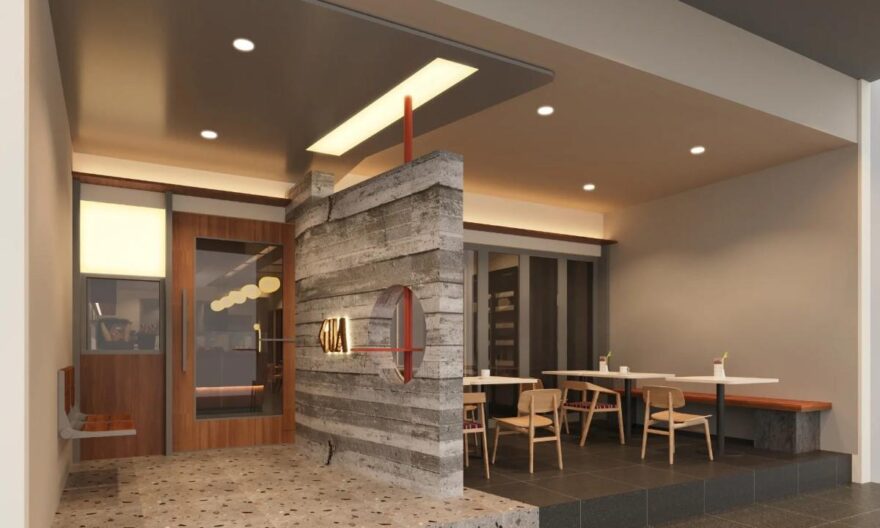
The presence of a specialist at this location creates superior value for the work being performed. ACP Design, which operates as one of Malaysia’s top interior design companies, has extensive knowledge of the F&B industry.
The restaurant functions as a brand experience because it requires complete operational performance across three essential business areas: functional, emotional, and commercial.
What distinguishes ACP Design from other companies
Their process is collaborative and rooted in the reality of running a busy restaurant. They analyse your concept together with your target customer and operational needs before they start making design choices.
The diverse experience of ACP Design enables them to create successful designs for all types of projects, which include casual all-day cafés and high-end dining establishments.
Malaysian F&B Trends Shaping Interior Design in 2024 and Beyond
The Malaysian dining scene is changing at a rapid pace. The current trends that determine restaurant interior design in Malaysia today are:
- Biophilic design: Bringing nature indoors through plants and natural materials. People in KL view greenery as an essential element of their urban environment, which they should pursue.
- Storytelling through space: Restaurants with a clear narrative woven into every design decision are the ones customers remember and return to.
- Flexible layouts: Many operators now want spaces that shift between intimate dining, group bookings, and private events with ease.
- Local material and craft: Spaces that feel rooted in local culture, rather than generic international aesthetics, increasingly attract Malaysian diners.
How Interior Design Directly Impacts Your Revenue
Here is how excellent restaurant interior design in Malaysia translates directly into better financial performance.
Higher Average Spend Per Customer
When customers feel comfortable and impressed by their environment, they order more. The customers choose to add a dessert to their order. The customers choose to order a second round of drinks. The clients discover that the experience is worthwhile.
Better Table Turnover
A restaurant can increase its cover capacity during service through an effective layout design that provides clear visibility and smooth staff movement together with seating arrangements that offer adequate comfort for customers.
Lower Staff Stress and Higher Efficiency
A properly designed kitchen and floor layout will alleviate staff stress, minimise service issues, and expedite service delivery. Efficient staff members who are satisfied with their work will provide better customer service. Better hospitality means better reviews and more repeat business.
Word of Mouth and Social Sharing
People in Malaysia share photos of photogenic and well-designed restaurants on social media, as this has become part of their social media-driven culture. That is organic reach that money cannot buy. The process continues to generate results that extend beyond the initial excitement that occurs during product launch.
Common Mistakes Malaysian F&B Owners Make with Interior Design
Even operators with noble intentions often make these mistakes. The upfront discovery of these errors will provide you with significant benefits.
- Designing without a concept: Beginning design work with furniture and finishes before establishing a brand concept results in a space that lacks identity and becomes forgettable.
- Ignoring acoustics: The heavy use of concrete in Malaysian buildings creates poor echo conditions, which affect restaurant acoustics.
- Underestimating lighting: Business owners choose to maintain regular overhead lights because they want to reduce their expenses.
- Choosing style over durability: Materials that appear attractive but cannot withstand the demands of a high-traffic restaurant environment will soon make your establishment look used and unkempt.
Visit about HRD Corp Claimable Course
Conclusion
The designers of restaurant interior design in Malaysia create design elements that their clients will use to make their business decisions. The design of successful spaces requires designers to choose all elements, from the layout through to the lighting and wall material, with specific design intentions.
You should contact the ACP Design team if you need design services for your restaurant construction project or your existing establishment renovation work. The design team possesses all necessary skills and operational methods, which enable them to create an effective business space based on your design vision.
FAQs
Q1. Is it worth redesigning an existing restaurant in Malaysia?
The answer is usually yes. The restaurant needs a strategic redesign when its design appears outdated, customer traffic has decreased, and its identity has changed, as a redesign will enhance customer impressions and financial performance.
Q2. How long does a restaurant interior design project take in Malaysia?
The time needed to design a restaurant interior in Malaysia spans three to six months because it requires both concept development and full installation. The completion time depends on three factors, which include project dimensions, required permits, and the availability of contractors.
Q3. Can interior design really affect how much customers spend?
Yes. Studies consistently show that environment influences spending behaviour. Customers will spend more money when the establishment provides them with comfortable seating and appropriate lighting and visually attractive areas.
Q4. What is the difference between a regular interior designer and one who specialises in restaurants?
A restaurant interior designer understands the operational needs of an F&B business — kitchen workflow, health and safety requirements, acoustic challenges, and the link between space design and commercial performance. A generalist interior designer may produce a beautiful space that is difficult to operate efficiently.