

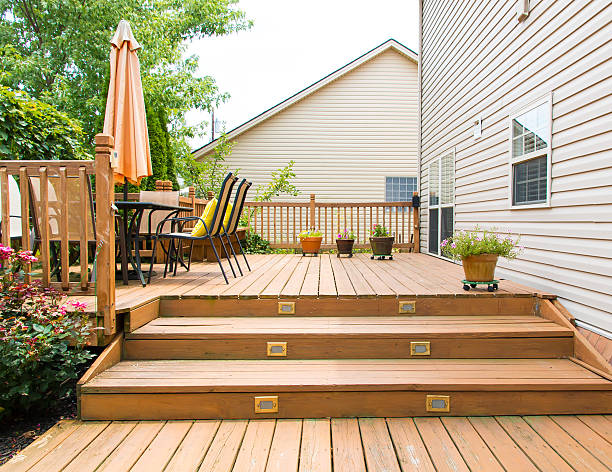
Colour choices seem simple, yet they shape how your garden feels every day. When people pick decking, they often focus on cost or durability first. Still, the look and texture matter just as much because they set the tone for your entire space. Many homeowners feel unsure about which composite wood decking colour works in different light, and which finish will stay smart in changing weather.
You’ll soon understand how colours, textures and finishes work together, and how to choose options that match your home. With years of helping people build long-lasting decks, I’ve seen what works and what fades fast. Let’s walk through the choices so you can design a deck that looks good for years.
What Shapes the Look of Composite Wood Decking?
Composite outdoor decking blends wood fibres with recycled plastic, which gives it strength and stability. Yet the design choices, colour, grain pattern, and surface finish have the biggest impact on the final look.
Why these choices matter
- They change how large or small your space feels.
- They control how much cleaning you need.
- They influence resale value due to visual appeal.
A well-chosen colour or finish can make your outdoor space feel peaceful, bold or warm.
Composite Decking Colours: How to Pick the Right Shade
Different shades offer different moods. Here are the most common ranges of composite decking colours:
1. Light Tones
Think pale grey, sandy beige, driftwood and ash. These shades brighten small gardens and work well with modern homes. They also hide dust better.
Best for:
- Coastal looks
- Minimalist spaces
- Homes that need a lighter, airy feel
2. Mid-Tones
Warm browns, weathered timber shades, and muted taupe. Mid-tones mimic natural timber without the upkeep. They blend well with greenery and older brick homes.
Why people choose them:
- Classic look
- Easy to match with furniture
- Strong balance of warmth and neutrality
3. Dark Shades
Charcoal, slate, espresso brown and deep walnut. These colours add drama and look clean and sharp. They’re ideal for large decks, as darker shades ground the space.
Keep in mind:
Dark boards can show dust and may feel warmer under direct sunlight.
How Lighting Changes Deck Colour
Natural light shifts throughout the day and with the seasons. Because of this, a colour that looks good in a shop can look different outdoors.
Quick tests that help:
- Place sample boards in morning, midday and evening sunlight.
- Wet the board to see how rain changes the tone.
- Set furniture pieces beside it to check harmony.
These simple checks prevent colour regret later.
Texture Options: Smooth, Grooved, or Wood-Grain?
1. Smooth Texture
Smooth composite boards look sleek and calm. They often suit modern outdoor spaces.
Benefits:
- Easy to clean
- Works well around pools
- Clean lines that match contemporary homes
Things to note: Smooth boards can show marks if furniture is dragged across them.
2. Grooved Texture
Grooved textures add grip and help with water drainage. They’re useful in areas with frequent rain.
Why do people pick grooves?
- Safer underfoot
- Slightly more rustic look
- Good for steps and walkways
Grooved decking is practical and reliable, especially if your garden stays damp in winter.
3. Wood-Grain Texture
This texture gives the closest feel to natural timber. It shows knots and grain-like lines.
Ideal for:
- Traditional homes
- People who want a natural, warm style
- Spaces where decking blends with lawns or raised beds
Wood-grain boards carry charm without the sanding or oiling that real wood needs.
Finish Options in Composite Decking
1. Matte Finish
The matte finish creates a soft, natural appearance because it produces no shiny reflections. The product effectively conceals stains while remaining suitable for nearly all outdoor fashion trends.
2. Low-Sheen Finish
The finish produces a soft light which appears less shiny than glossy surfaces. The board’s grain pattern becomes visible while the process creates three-dimensional depth. The modern deck design requires this element to achieve its refined appearance.
3. Capped Finish
The capped finish creates a protective coating which covers the surface of the board. The treatment enables materials to resist stains and fading while maintaining their original colour for extended periods.
4. Embossed Wood-Grain Finish
The option creates a wood-like appearance which users can experience through touch. The detailed texture adds character to the surface while providing better traction. The solution functions effectively for residential spaces that want to achieve an authentic outdoor aesthetic.
5. Smooth Finish
The design creates a surface which maintains its original form because it does not contain any raised wooden elements. The product allows easy cleaning while it matches contemporary architectural styles.
How to Match Colours and Textures to Your Garden Style
Modern Homes
- Cool greys
- Smooth or fine-grain textures
- Matte finishes
These choices create clean lines and a refined look.
Traditional Homes
- Warm browns or weathered timber shades
- Wood-grain textures
- Soft, natural finishes
This brings warmth and blends with existing materials.
Small Spaces
- Light colours to open up the area
- Narrow board profiles
- Smooth or minimal texture for a tidy feel
Small gardens benefit from brightness and simplicity.
Large Deck Areas
A mix of composite decking colours and board patterns works well here. Some people use a darker border board to frame the deck.
- Two-tone layouts
- Picture-frame edges
- Mixed textures in different zones
Maintenance: How Colours and Finishes Affect Upkeep
Maintenance needs shift depending on the colour and finish of your outdoor decking. Some tones hide marks with ease, while others demand a bit more brushing to stay sharp.
- Light colours: Hide dust well, but may show leaf stains if not swept often.
- Dark colours: Look bold but need more brushing to keep them sharp.
- Wood-grain boards: Hide scratches better.
- Smooth boards: Clean quickly, but may reveal scuffs if dragged items mark the surface.
- General care: A simple routine; sweeping, mild soap, and water; keeps composite decking looking fresh.
Conclusion
The complete atmosphere of your garden depends on the colour, texture, and finish selections that you make for composite wood decking. The outdoor area appears balanced and natural when you match the home style with matching tones and textures.
The correct selections maintain the deck’s appearance for multiple years while reducing maintenance requirements. You should bring samples home to examine them under various lighting conditions while considering your daily space usage.
Your decking area becomes a stress-free enjoyment space when you achieve the optimal balance between shade, grip and finish.
FAQs
Which composite decking colour has the longest lifespan?
Mid-tone capped boards maintain their colour better because their protective shell prevents most colour fading. Mid-tone colours show weathering effects better than both very dark and very light board colours.
Does composite decking become hot when exposed to sunlight?
All decking heats up, but darker composite colours get warmer. Lighter shades and matte finishes control temperature better in gardens that receive full sunlight exposure.
Which texture provides the best grip?
Grooved textures provide the strongest grip performance under wet conditions. The materials enable water to drain while providing users with stable walking surfaces.
Is it possible to create a deck design that combines different colour elements?
People use different colour combinations to create deck designs. People use darker borders with lighter centres or blend tones for added detail. The design works effectively on expansive outdoor spaces.
Also Read: Exploring the Charm of Wooden Panels for Living Room Feature Walls