


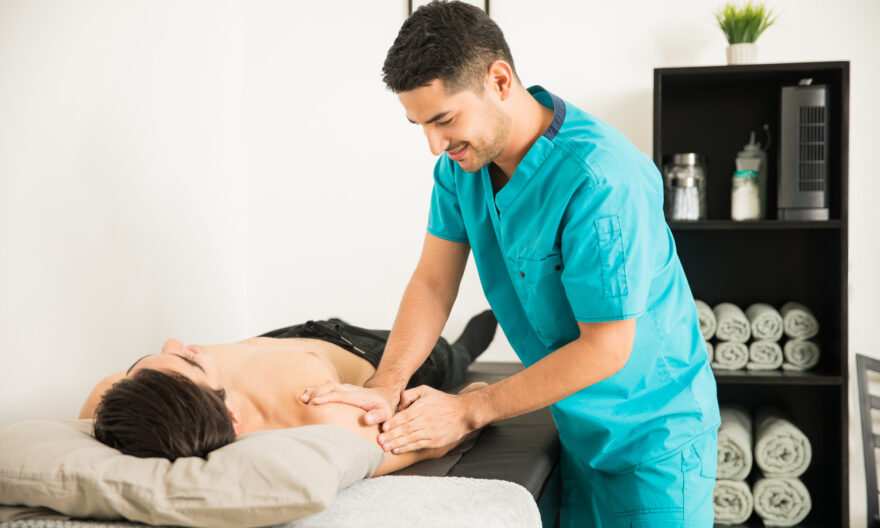
Sport sparks strength, focus, or teamwork in people of all ages. Yet hard training, quick movement, or poor recovery can strain muscles or joints. Many athletes battle pain because they miss early warning signs or skip proper care. Sports injury in Singapore trouble many players who train each week. Strong habits such as warm-ups, recovery, healthy meals, to safe movement patterns shield the body from harm. With the right care plan, athletes can boost performance, stay active, or enjoy sports with greater confidence with control.
Know the Signs of Injury
Pain sends a clear signal. A player must not ignore sports therapy in Singapore it because small harm can grow into a big setback. Sharp pain, swelling, or weak movement show that the body needs care.
Common Signs to Watch
- Swelling near a joint
- Pain during movement
- Muscle stiffness
- Poor balance
- Weak grip or leg push
A coach or parent should check these signs at once. Quick care cuts the risk of deep harm.
Understand Common Sports Injuries
Different sports place stress on different body parts. Runners often face knee pain, while football players may hurt their ankles or hips. Young athletes also strain muscles during fast movement.
Injuries Athletes Often Face
- Sprained ankles
- Knee strain
- Shoulder pain
- Muscle tears
- Shin splints
Each injury needs the right care plan. Because of this, players should seek help when pain lasts for many days.
Build Strength Before Training
Strong muscles guard the bones or joints. Warm muscles also bend with ease, so they face less strain during sport.
Warm-Up Habits That Help
- March or jog for five minutes
- Swing the arms or legs
- Stretch the hips or back
- Bend the knees with care
These steps raise blood flow or wake the muscles. As a result, the body gains more control during play.
Improve Flexibility for Better Movement
Flexible muscles help the body move with less strain. Tight muscles can pull joints out of line or cause pain during sport.
Easy Stretching Habits
- Reach for the toes
- Stretch the calf muscles
- Rotate the shoulders
- Twist the waist with care
Stretching also improves balance or body control. So athletes move with more ease during games or training.
Use Smart Recovery Steps
Rest forms a key part of sport. Without rest, the body cannot mend torn tissue or calm sore muscles. Good sleep also helps the brain stay sharp during matches.
Recovery Habits for Athletes
- Drink enough water
- Eat fruit, rice, fish, or eggs
- Sleep for enough hours
- Rest sore muscles after games
Many players rush back to the field. Yet the body needs time to heal. Because of this, smart recovery protects long-term strength.
Choose the Right Training Plan
Hard drills can boost skill. Still, poor form can harm the body. A player should match training with age, skill, or body strength.
Steps for Safe Training
- Learn proper footwork
- Use shoes with a firm grip
- Train on safe ground
- Take short breaks during drills
A balanced plan helps players gain speed or power. So the body stays fit for each match or training session.
Avoid Overtraining
Many athletes train each day without proper rest. This habit places stress on the muscles or joints. Over time, the body starts to break down.
Signs of Overtraining
- Constant tiredness
- Sore muscles each day
- Poor sleep
- Low focus during games
- Slow reaction time
Rest days help the body rebuild strength. Therefore, athletes should balance hard training with light activity.
Support Healing Through Expert Care
A skilled therapist can spot weak muscle groups or poor movement patterns. This guidance helps players regain control to avoid repeat pain. In many cases, sports therapy in Singapore helps athletes return to sport with better balance or strength.
Ways Therapy Helps Athletes
- Improve joint movement
- Ease muscle tension
- Build core strength
- Restore balance after injury
Therapy also teaches safe movement habits. Because of this, players gain more trust in their bodies during sport.
Wear Proper Sports Gear
Good gear protects the body from direct impact or strain. Poor shoes or weak padding can raise the risk of injury.
Protective Gear Athletes Need
- Shoes with strong support
- Knee guards
- Mouth guards
- Wrist support bands
Players should also replace worn gear. As a result, the body gains better support during movement.
Protect the Mind Along With the Body
Injury can shake confidence. A player may fear pain or avoid strong movement. Support from coaches, friends, or family lifts morale during recovery.
Mental Habits That Build Confidence
- Set small goals
- Track progress each week
- Speak with team members
- Keep a calm routine
These habits help players stay focused. So they return to sport with a clear purpose and strong spirit.
Stay Hydrated During Activity
Water keeps the muscles cool or helps the body move with ease. Without enough fluids, athletes may feel weak or dizzy during sports.
Tips to Maintain Hydration
- Drink water before training
- Sip water during breaks
- Carry a water bottle
- Eat fruits with high water content
Good hydration also helps muscles recover after hard drills. Therefore, athletes should build this habit each day.
Keep Good Form During Sport
Good form cuts stress on the joints or muscles. Each sport needs safe movement patterns. A coach should teach these skills from the start.
Key Form Tips
- Land with bent knees
- Keep the back straight
- Hold the core firm
- Watch body position during turns
Good form saves energy or lifts game control. In sports injury, many athletes gain better results when they fix poor movement habits.
Focus on Core Strength
The core supports balance or posture during movement. Weak core muscles can lead to poor control or joint strain.
Core Exercises for Athletes
- Planks
- Leg raises
- Sit-ups
- Bridge holds
Strong core muscles improve body stability. As a result, athletes gain more power or control during sport.
Final Thoughts
Athletes need strong habits to stay fit or dodge setbacks during training or matches. Simple steps such as proper rest, smart exercise plans, or healthy food choices protect muscles or joints over time. Sports injury in Singapore affect many active people, yet early care to guided recovery help players return with better strength or balance. Every athlete should notice body signals to follow safe training methods each day. Steady care supports long-term performance, builds confidence, or helps players enjoy sport with energy, focus, or lasting health.
FAQs
.1. How can athletes cut the chance of getting hurt during sports?
Athletes can cut injury risk by warming up before training, wearing proper gear, drinking enough water, or using safe movement skills. Regular rest or strength exercises also keep the body strong or steady during games or practice.
2. Why does rest matter after exercise or training?
Rest helps muscles mend after hard movement to help the body regain strength. Good sleep also sharpens focus, balance, or energy levels. Without enough rest, the body may weaken or struggle during training sessions or matches.
3. What foods help athletes stay strong and active?
Healthy foods such as fish, eggs, rice, fruit, vegetables, milk, or whole grains fuel the body or build muscle strength. These foods also help the body recover or handle long training sessions with less tiredness or strain.
4. When should a player seek help for pain or discomfort?
A player should seek help when pain lasts for many days, swelling grows, or movement feels hard. Early care can stop small problems from turning into larger injuries to help athletes return to sport with greater safety or strength.