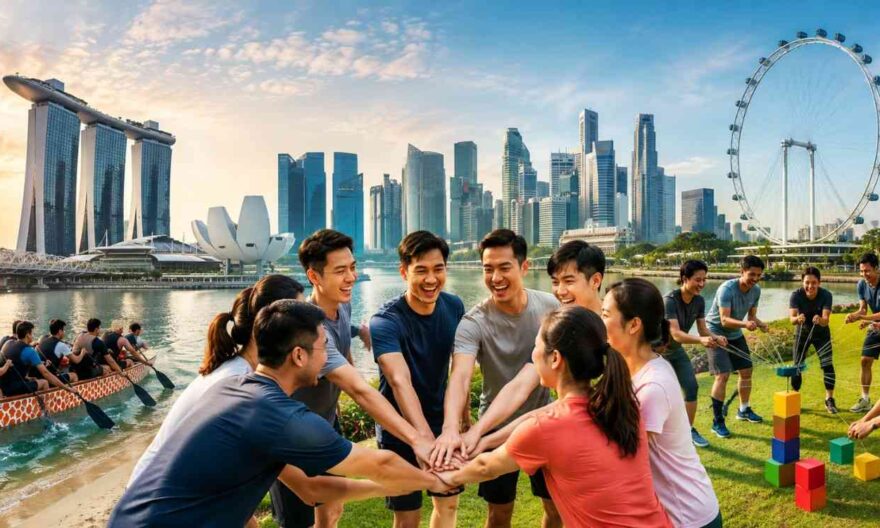
Strong teams make great companies work. Workers who get along well do a better job together. Fun activities help coworkers learn about each other beyond office tasks. A good event can change how people work together for the better.
Singapore gives you many activity choices to build team spirit. Team-building in Singapore covers outdoor trips, creative classes, and more. The right activity pulls people closer in real ways. Good planning makes sure everyone gains from the event.
Setting Clear Objectives
Every great event starts with clear goals. Think about what you want to gain before you start planning.
Identify Team Needs
Check your team’s current vibe before picking activities. Poor talk or low faith in each other may need special focus. Different groups need different bonding experiences to grow. Understanding your team’s situation helps you choose the best way forward.
Define Success
What does a win look like for your group? Better teamwork, happier staff, or tighter connections? Clear goals help you pick the best activities. They also let you see if the event really made a difference.
Involve Team Members
Ask your team what they’d like to do and enjoy. People join in more when activities match what they like. This input boosts both participation and fun. Including everyone helps build support from the start.
Choosing the Right Activities
Choosing the right activity is crucial to the success of your event. Different activities suit different team needs and what they enjoy.
Outdoor Adventures
Physical tests build trust and teamwork among the group. Tasks like obstacle courses need everyone to work as one. These experiences create shared memories and enjoyable stories. Outdoor fun also gives a refreshing break from desk work.
Creative Workshops
Art, cooking, or craft activities spark fresh thinking in teams. These sessions let quieter staff members show their skills. Creative tasks often reveal hidden talents in your group. Everyone gets to add something in their own way.
Problem-Solving Challenges
Escape rooms and puzzle games test how well teams solve problems. Groups must share ideas clearly to win these games. These tasks show off different strengths within the team. They also encourage creative thinking under pressure.
Logistics and Planning
Good planning makes your event run without any hitches. Paying attention to details stops problems on the day.
Venue Selection
Pick a place that fits your chosen games and group count. Check that it’s easy to get to and has good facilities. The space should feel welcoming and help people bond. A good venue makes the whole day better for everyone.
Timing and Schedule
Choose a date and time that works for most of your team. Avoid busy times when work is at its peak. A good pace stops people from getting tired and keeps energy up. Add breaks so people can chat and relax.
Professional Facilitation
Think about hiring skilled guides to run your event. Pro facilitators keep games lively and moving forward well. They handle group dynamics and make sure all join in. Their skill makes the event work much better.
Maximising Participation
Getting everyone involved makes your event a big win. Every person should feel welcome and valued the whole time.
Encouraging Involvement
Make a warm space where all feel at ease to join in. Pair up people who don’t usually work together often. Switch groups around to spark new bonds and links. Mixing it up keeps the energy high and fresh.
Addressing Concerns
Some staff may feel shy about certain activities you plan. Give choices for different comfort levels in the tasks. Respect what each person likes and their limits during events. Being flexible means everyone can take part.
Celebrating Success
Give a shout-out to wins during and after the event ends. Share fun photos and good moments with the entire team. Cheering each other on shows the value of the whole day. This helps maintain a strong team spirit.
Budget Considerations
Your budget shapes many choices in planning an event. Getting good value matters as much as the cost itself.
Cost-Effective Options
Many cheap activities give great team-building results, too. Office games can work just as well as costly retreats. Think about what you gain for each dollar you spend. Value should steer your choices every time.
Group Discounts
Many places offer price cuts for bigger groups you bring. Check prices across different activity choices you find. Group rates can make fancy options more within reach. Always ask if they have any discounts to offer.
All-Inclusive Packages
Some venues give complete bundles with games and meals too. These make planning simple and often give better value. Packages cut down the work you need to do a lot. This lets you put your time into the fun part.
Measuring Impact
Check if your event met the goals you set at the start. Knowing the results helps you plan better next time.
Immediate Feedback
Ask your team what they thought right after the event wraps. This captures their views while they’re still fresh in their minds. Quick polls or chats can give you useful tips. Fast feedback helps you do better next time.
Longer-Term Observation
Watch how the team acts in the weeks that follow the event. Look for any gains in how they talk and work together. These signs show if the event had a real impact. Lasting changes mean the day was a true win.
Future Planning
Use what you learned to plan future team activities well. Note what worked great and what could be better next time. The lessons help you sharpen your approach going forward. Regular events build stronger teams over the years.
Final Thoughts
Planning a great team-building event in Singapore requires careful consideration. Clear goals steer your picks and show how you did. The best activities bring people together in real ways. Singapore has many choices for whatever the team needs.
Team-bonding in Singapore makes work relationships much stronger over time. Singapore’s lively scene gives you endless choices for memorable days out. Good guides help everyone enjoy the day. The right help makes a real difference in the end.
Frequently Asked Questions
How often should we organise team-building activities?
Plan team events at least two times every year. Regular events keep bonds strong and tackle new issues. Some teams do better with smaller, more frequent events.
What’s the ideal group size for team-building in Singapore?
Most games suit groups of 10 to 50 people taking part. Bigger crowds may need to be split into smaller squads. Pro organisers can handle all kinds of group sizes.
How long should a team bonding event last?
Half-day events are a good option because they provide value without exhausting staff. Full-day events work well for deeper bonding and fun. Pick the length based on your aims and what the team likes.
Can team-building activities help remote teams?
Yes, online team events have grown very popular these days. Many providers now offer virtual versions of classic games. Tech helps link up remote team members in good ways.