


Roller conveyors keep goods moving with ease, yet many people only notice them when they stop working. These systems cut strain, speed up handling, and reduce manual errors. When teams need to move products fast and safely, poor flow can slow everything.
This guide breaks down roller conveyor systems in simple terms so you can understand how they work and when to use them. You’ll learn the types, the parts, and what makes one system better for your site. With insights from Kyoto Automation Systems Sdn Bhd, you’ll see how the right setup supports smooth operations. Let’s explore how these systems keep work moving.
What Is a Roller Conveyor System?
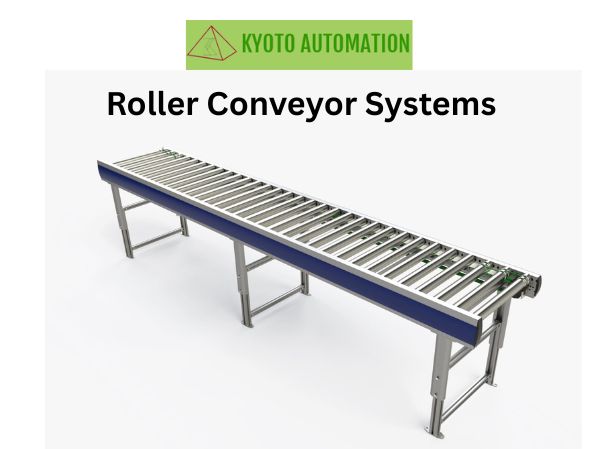
A roller conveyor system moves items across rows of rollers set inside a frame. Each roller turns as goods pass over them. The load stays stable while the rollers carry the weight. These systems appear in factories, warehouses, and sorting hubs because they handle almost any package shape.
Key benefits at a glance:
- Smooth movement for boxes, totes, cartons
- Low upkeep because parts are simple
- Flexible layouts for tight or wide spaces
- Safe handling with fewer manual lifts
Main Components of a Roller Conveyor System
Rollers
Rollers come in steel, PVC, aluminium, and stainless steel. Each material suits a different task. Steel works for heavy loads, while PVC suits light boxes.
The Frame
The frame holds the rollers in place. A rigid frame keeps movement smooth and reduces wear.
Bearings
Bearings allow each roller to spin with little effort. Quality bearings reduce noise and keep motion consistent.
Motor Units (For Powered Systems)
These motors drive the rollers. They offer speed control and link with sensors for smarter automation.
How Roller Conveyor Systems Work
Roller conveyor systems move goods by letting items travel across rows of rotating rollers. The rollers reduce friction so boxes, cartons, or totes glide smoothly from one point to another.
1. Rollers Carry the Load
A conveyor system employs a series of rollers which rotate freely through their bearing system to support and transport any box that is placed onto the rollers. The roller system requires specific spacing and material selection which includes steel and aluminium and PVC based on the weight and dimensions of the objects being moved.
2. Movement Happens in Two Ways
A. Gravity Movement
A gravity conveyor operates through its slight slope which enables objects to roll forward by using their gravitational force. The system performs effectively for light to medium loads because the rollers enable controlled and smooth operation of the equipment.
B. Powered Movement
A powered conveyor system employs motors together with belt drives to operate its rollers which produce consistent movement throughout the system. The system operates under heavy loads which stretch across long distances while its sensors control the system flow to achieve exact timing.
3. Bearings Reduce Friction
The rollers operate with their installed bearings which enable easy rotation to create continuous movement. The bearings enable quiet operation which extends equipment life through reduced operational demands on the system.
4. Frames Keep Everything Aligned
The steel frame structure supports the rollers which maintain their straight alignment to enable products to travel without any side movement. Proper alignment maintains continuous flow operations while decreasing equipment vibration and minimizing maintenance requirements.
5. Optional Add-Ons Improve Control
A roller conveyor can use different equipment components which include guides and brakes and sensors and stoppers to achieve more precise control over product movement. The additional equipment maintains item positioning while decreasing the speed of heavy objects and enabling automated processes and temporary storage of products.
Benefits of Roller Conveyor Systems
- Better productivity: Roller conveyors speed up the movement of goods. Staff spend less time walking items from point A to B.
- Safer workplaces: With fewer lifts and less strain, the risk of injury drops. The system carries the weight, not the staff.
- Lower long-term costs: Simple parts mean fewer breakdowns. Gravity systems need almost no power, cutting energy costs.
- Gentle product handling: The rollers support smooth and stable movement. Fragile goods stay safe through the flow.
Types of Roller Conveyor Systems
1. Gravity Roller Conveyors
These rely on slope. They need no power and cost less to run. Many packing lines use them for short-distance flow.
2. Driven Roller Conveyors
These use motors or belts to turn the rollers. They handle long runs, steep loads, and timed processes.
3. Accumulation Roller Conveyors
These systems queue items without touching. They prevent product damage and support automated sorting.
4. Flexible Roller Conveyors
They bend, stretch, and curve. They fit spaces that change often, such as temporary packing zones.
Where Roller Conveyor Systems Are Used
Common Applications
- Warehousing and distribution
- Assembly lines
- Food and beverage plants
- E-commerce fulfilment
- Cold storage
- Automotive parts handling
These systems handle loads with repeatable precision, supporting steady workflow even during peak hours.
Choosing the Right Roller Conveyor System
Know Your Load
Weight, size, and shape all matter. Heavy items need steel rollers. Small boxes may need close roller spacing.
Check Available Space
Measure your layout. Straight lines are simple, but curves and merges may improve workflow.
Look at Your Speed Needs
Fast-moving sites need powered rollers and smart controls. Slow packing lines can use gravity setups.
Plan for Growth
Choose a system you can extend. A modular design helps your layout adapt with demand.
Why Work With Kyoto Automation Systems Sdn Bhd
The company provides reliable conveyor systems to businesses which require dependable solutions. They create roller conveyor systems which match the specific requirements of your facility and its capacity and operational objectives.
The company builds their systems with resilient materials and advanced control systems which enable continuous operational efficiency. The company uses its extensive experience in real-world flow challenges to assist businesses in reducing operational delays while increasing their efficiency levels.
The company combines engineering solutions with straightforward customer assistance. The company helps customers who operate warehouses or production facilities or online shopping centers to select systems which meet their current needs and will support future growth.
Conclusion
Roller conveyor systems maintain continuous product movement through their stable operational control and basic component design and their uninterrupted product movement capabilities. You now know how they work, the types available, and what to look for when choosing one.
A good system reduces effort, improves safety, and lifts the pace of your site. When supported by experts like Kyoto Automation Systems Sdn Bhd, you gain a setup built for long service and better efficiency. The process becomes better when you investigate all available conveyor options and select the appropriate option for your specific workflow requirements.
FAQs – Roller Conveyor Systems
Q1. What is the purpose of a roller conveyor system?
The roller conveyor system exists to transport goods between different locations. The system enables efficient item movement because it decreases manual labor while enabling employees to transport items more securely through their work area.
Q2. How do gravity roller conveyors move products?
The system operates through a gentle slope which directs the movement of products. The weight of the load and gravity create motion. The system provides an affordable solution because it operates effectively during short production periods.
Q3. Are roller conveyors safe for fragile items?
The system operates safely when operators use proper roller spacing and speed settings to transport delicate goods through their system.
Q4. What maintenance do roller conveyors need?
The system requires basic maintenance through regular inspections. The maintenance process requires three tasks which involve cleaning rollers and inspecting bearings while maintaining proper frame alignment. The system requires operators to inspect motors in addition to other equipment.