

Flowers brighten homes and lift moods. But fresh flowers fade quickly. They drop petals, lose colour, and die within days. That’s why many people now choose preserved floral arrangements. These flowers look real, feel soft, and last a long time without water.
This article shows why preserved flowers make a great choice for decoration. You’ll learn how they’re made, how they differ from dried flowers, and why people use them in homes, weddings, and gifts.
Preserved and Fresh Flowers Look Alike, But Don’t Act the Same
Fresh flowers bloom with beauty. But they need care. They drink water, bask in sunlight, and still wither fast.
Preserved flowers start fresh. But workers pluck them at just the right time. Then, they dip the stems in a gentle mix. That mix keeps the petals soft and colourful. The flower pauses in time, never growing or wilting.
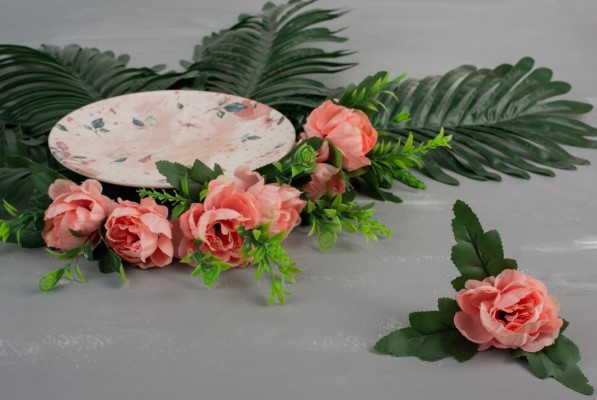
A preserved flower bouquet looks just as fresh as one picked from the garden. But it won’t dry up or drop petals the next day.
How Workers Preserve the Flowers?
The process begins in the fields. Growers choose the strongest, brightest flowers. They snip them at just the right moment. Then, they dunk the stems in a safe liquid. That liquid replaces the sap inside. It keeps the flower soft and full.
The petals don’t curl or stiffen. The shape stays round. The colours glow. Sometimes, workers tint the petals to bring back faded spots. But the flowers still look and feel real.
You can brush your fingers across a preserved rose. It feels smooth and gentle, just like a fresh one.
How They Outshine Dried Flowers?
People often mix up dried flowers with preserved ones. But they’re not the same. A dried flowers bridal bouquet can crumble in your hands. That’s because drying pulls out all the water. The petals shrink. The colours fade. Some flowers even break apart.
Preserved flowers don’t lose their shape. They stay soft. Their colours stay rich. You can move them without breaking them.
A dried flower might last a few months if you don’t touch it. A preserved one can stay pretty for years, even if you move it or carry it around.
No Fuss, No Water, No Worries
Fresh flowers ask for a lot. You must clip stems, fill vases, and swap water. If you forget, they droop.
Preserved floral arrangements skip all that. You never need to water them. You don’t need a window or sunlight. You can place them anywhere—in the kitchen, on a shelf, or inside a glass box.
They don’t mould. They don’t attract bugs. They don’t shed petals. You just dust them now and then. That’s it.
Weddings That Stay Beautiful
A wedding bouquet holds a special place in your heart. Brides often wish they could keep theirs forever. A dried flowers bridal bouquet can last a while, but it may turn brown or fall apart.
Preserved bouquets capture the day without losing shape. They stay lovely for years. You can place them in a vase or frame them behind glass. Either way, they keep the joy alive.
They also travel well. If you marry far from home, a preserved bouquet handles the journey without trouble. No water, no wilting, no stress.
Seasons Come and Go, But Flowers Stay
In spring, tulips bloom. In summer, sunflowers shine. But these flowers don’t stay long.
Preserved flowers let you hold onto every season. Keep spring roses through winter. Place golden leaves on the table year-round. You don’t have to wait for the right month to enjoy your favourite bloom.
Some people rotate their preserved flowers. They pick soft pinks for spring, deep reds for autumn, or frosty blues for winter. You can freshen up a space without throwing anything away.
Gifts That Stay Special
Flowers make great gifts. But fresh ones droop by the end of the week. A preserved flower bouquet shows more care. It says, “I picked something that lasts.”
These flowers work well for birthdays, graduations, or even sad times. They don’t fade fast. They stay bright on a desk or shelf.
They also help people with allergies. Since they hold no pollen and no water, they don’t make noses itch. Even small children can keep them in their rooms without worry.
Which Flower Type Fits Best?
Different flowers work for different needs. The table below helps you see which flower suits your space or event best:
| Feature | Fresh Flowers | Dried Flowers | Preserved Flowers |
| Lifespan | 5–10 days | Several months | 1–3 years |
| Petal Feel | Soft and moist | Brittle and dry | Soft and flexible |
| Colour | Bright but fades | Pale or brown over time | Stays rich and bold |
| Care Needed | Water, trim, sunlight | Dusting only | Dusting only |
| Good for Allergies? | Not always | Yes | Yes |
| Eco-Friendly? | Not often | Yes | Yes |
This table helps you choose the right type for your needs.
Flowers That Fit Every Room
Decorators love preserved flowers. They tuck them into hallways, bookcases, and dining rooms. These flowers don’t sag or wilt. That makes them great for tricky spots where fresh flowers fail.
You can hang them on walls, place them in wreaths, or drop them into jars. They stay still and fresh-looking, even after weeks or months.
No water means you don’t need to place them near sinks or windows. You can even use them in bathrooms or dark corners.
Great for Events and Travel
Shipping fresh flowers often goes wrong. They bruise, dry up, or break in the box. But preserved flowers travel better. Their strong petals stay firm. Their colours don’t fade.
Event planners love using them for parties, weddings, or art shows. You can set them up days early. They stay neat and full until the event ends.
When the event finishes, guests can take the bouquets home. The flowers won’t fall apart by the next day.
Simple Care That Works
Even preserved flowers need a little care. Keep them out of strong sun and damp places. Dust them gently now and then with a soft cloth or brush.
Don’t wash them or spray them with water. That can spoil the petals. Keep them in dry air and cool rooms.
If you place them in a glass box, they last even longer. The glass stops dust and keeps fingers away. Many people frame special bouquets as wall art.
Less Waste, More Beauty
Fresh flowers waste water, travel long distances, and often go in the bin after a week. Preserved floral arrangements skip that waste. They last longer and don’t need to be replaced often.
You use fewer vases, less plastic, and no plant food. That means you help the planet while keeping your home pretty.
One preserved bouquet can stay bright for years. That saves money, time, and effort. It also makes your space feel fresh without constant change.
Final Thoughts
Preserved floral arrangements mix beauty with comfort. They keep their shape, their colour, and their charm for years. You can enjoy a bouquet without feeding or watering it. You can gift one without fear that it will fade too soon.
Fresh flowers bloom and fall. Dried flowers break and fade. Preserved flowers stay with you, strong and gentle. A preserved flower bouquet adds light, colour, and joy to your space—and stays that way.
They bring back wedding memories. They cheer up a table. They warm up a shelf. Most of all, they make every room feel loved and cared for.
FAQ’s
- What are preserved flowers?
Preserved flowers start as real, fresh blooms. Experts carefully treat them using safe materials that stop them from drying out or wilting. These flowers look fresh and pretty for a long time, but they don’t need water or sunlight. - How long do preserved floral arrangements last?
Preserved flowers often last for months, and sometimes even up to a year or more! If you keep them away from sunlight, water, and strong wind, they stay beautiful much longer than regular flowers. - Where can I use preserved flowers at home?
You can place preserved flowers on your dining table, desk, bookshelf, or bedroom stand. They also work great in offices, cafes, or gift shops. Since they don’t wilt or smell strong, they fit almost anywhere.