


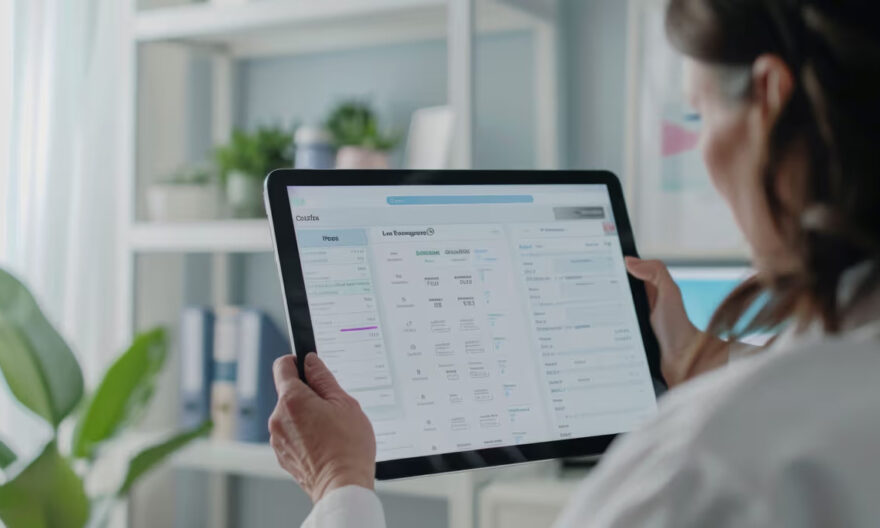
Missed appointments cost healthcare providers thousands every year. At the same time, staff burnout keeps rising, and patients expect faster service than ever before. Many clinics still use spreadsheets, paper diaries, or outdated tools that slow daily work down.
The problem grows fast when bookings increase. Double bookings, long wait times, and poor communication can hurt patient trust. Even worse, staff spend hours fixing avoidable errors instead of helping patients.
That is why many providers now turn to scheduling software for healthcare. The right system can organise bookings, reduce admin work, and improve the patient experience from day one. Healthcare businesses today need tools that save time, support staff, and keep operations running without stress.
The Growing Pressure on Healthcare Businesses
The healthcare industry is handling more challenges now than ever before. Patients expect fast appointments, scheduling services online, and clear communication. On the other hand, the healthcare industry has to juggle busy schedules daily.
Common Scheduling Challenges for Healthcare Providers
Most healthcare companies continue to experience challenges such as:
- Appointment no-shows
- Overbooking
- Excessive waiting times
- Inefficient staffing
- Incorrect manual entry of patient information
- Late cancellation of appointments
Such scheduling challenges impact the efficiency of healthcare practices.
What Scheduling Software for Healthcare Does
Scheduling software for healthcare goes beyond a basic calendar. They integrate all aspects of your practice, including front desk, medical team, and patients.
Here’s what it handles:
- Automated reminders: Automated SMS or email appointment reminders are sent out before appointments. Just by using such a solution, you can reduce the number of no-shows by up to 40%.
- Appointment booking online: Patients are able to book appointments at any time convenient to them. You will not need to deal with phone tag anymore.
- Calendar management: All your doctors’ schedules can be viewed in one calendar, and schedule conflicts cannot occur.
Key Features to Look For
Selecting an appropriate appointment booking software for the healthcare industry is more than being efficient. You will require solutions that provide support in terms of patient management, staff management, and overall workflow management while not causing any additional workload.
PDPA Compliant
Privacy protection of patients’ personal data is always a priority. You need to find software solutions that meet the PDPA compliance standards of Singapore.
Multiple Locations Capability
It becomes hard to manage multiple clinics without having a central solution. Multi-location capabilities give you an opportunity to manage schedules, staff, and appointments in one place.
Compatibility with EMR Solutions
Your chosen software should be integrated seamlessly into your existing electronic medical records system for convenient access to information.
Teleconsultation Features
Nowadays, many patients prefer booking online appointments. A good scheduling system should allow easy booking of both regular and online visits.
Reporting and Analytics
Data analysis is key in making decisions about your healthcare business. You can track no-show statistics, peak hours, etc., using reporting features.
Why Healthcare Teams Need Automation
Healthcare teams deal with constant admin pressure every single day. From handling patient calls to managing appointment changes, manual work can quickly slow operations down.
Reduced Manual Work
The automation process eliminates several repetitive processes that eat into the precious time of employees. Receptionists can therefore concentrate on caring for the patients and communicating with them effectively.
- Appointment confirmations automatically
- Reminders notified instantly
- Booking updated in real time
Lower Risk of Human Error
Manual scheduling causes update and booking errors frequently. The automation process ensures schedule accuracy throughout the organisation.
- Fewer double bookings
- Immediate synchronisation of the calendar
- Better patient data
Easier Team Coordination
Healthcare professionals collaborate daily with medical doctors, nurses, specialists, and other healthcare personnel. The use of shared scheduling tools will facilitate communication between all involved individuals.
- Enhanced team collaboration
- Rapid schedule modifications
- Visibility of workflow
The Role of Software for the Healthcare Industry Growth
Healthcare businesses today need faster and smarter systems to keep up with rising patient expectations. Digital tools now play a major role in improving both patient care and daily operations.
Scalability for Growing Clinics
However, the larger a healthcare business gets, the harder it is to manage schedules, employees, and patient records. Flexible software makes things much easier as far as scaling is concerned.
Scheduling software for the healthcare industry can be made to cater for more offices, more employees, more bookings, and even additional healthcare services offered.
Improved Compliance and Data Security
Any healthcare organisation must maintain the confidentiality of patient records. Today’s healthcare management software provides better security options, including secure login, encryption, and data protection capabilities.
This helps organisations comply with healthcare laws in a much easier way.
Better Reporting and Insights
Effective healthcare management requires reliable information. Reporting tools supply valuable information that helps businesses in decision-making daily.
More sophisticated tools will be able to monitor appointment patterns, peak hours, employee performance, and cancellations, among others.
How Smart Scheduling Supports Healthcare Staff
The problem of burnout is still prominent in health care services due to long working hours and administrative stress, which leads to demotivation very quickly.
Balanced Workloads
Work can be divided more equally between teams so that not all employees become overloaded with work.
Shift Planning Made Easy
With the help of computer programs, managers find it easier to manage shifts when adjustments become necessary.
Effective Communication
All employees work with the live schedule that does not require frequent checking and correction anymore.
Why Integration Matters in Modern Healthcare
Healthcare organisations depend on many different electronic systems each day for the purposes of managing their patients, scheduling their appointments, handling billing procedures, and other forms of communication.
- Electronic health records are kept up-to-date in real-time between departments.
- Billing systems integrate directly into appointment scheduling processes
- Patient management software helps with the ease of accessing information about patients
- Telehealth technologies facilitate appointments, whether in person or online
This creates faster workflows, better coordination, and a more organised patient experience.
How Service Management Software Supports Healthcare Operations
Healthcare businesses manage many moving parts every day, from patient communication to staff coordination. Without the right systems, daily operations can quickly become difficult to handle.
Streamlined Daily Operations
A centralised service management software will allow healthcare professionals to organise their tasks using one platform, which is less confusing and ensures a smoother workflow.
The provider will be able to manage patient request management, workforce management, and communications daily.
Better Service Delivery
Through the organisation of the processes, there is a higher level of concentration on the delivery of health care to patients without focusing much on administrative processes.
Effective management of workflows will ensure that the time responses are improved, along with patient satisfaction levels and trust.
Common Signs Your Healthcare Business Needs Better Scheduling
Some clear signs indicate the need for better ways. These signs indicate your medical practice needs to improve its scheduling:
- Regular double bookings
- A large number of no-shows
- Patient waiting time is long
- Stressed staff members
- Manual processes
- Communication breakdown among teams
If not corrected, these signs can hinder your business’s growth.
The Future of Scheduling in Healthcare
Technological advances in healthcare keep coming rapidly. The technologies that schedule appointments have advanced significantly in terms of speed and connectivity.
Artificial Intelligence and Predictive Scheduling
Some of the newer technologies utilise predictive analytics for scheduling based on expected times of peak activity and employee requirements.
Mobile-first Patient Experience
Increasingly, patients want more mobile booking options and communications capabilities. Being early to adopt these changes may result in competitive advantages.
Increased Emphasis on Patient Convenience
In the future, these types of scheduling systems are expected to advance further in terms of flexibility, self-service, and efficiency of communications.
Conclusion
Healthcare organisations can no longer rely on traditional booking processes since patients require more efficiency and speed, while the workload for medical teams is constantly growing. However, without having an effective solution for this issue, many clinics have problems with patient cancellations, long waiting periods, and other issues related to daily routine and functioning.
That is the reason why the importance of scheduling software for healthcare has only been growing for several decades already, as such tools can help improve the experience for patients, reduce administrative load on medical employees, increase their productivity, and maintain daily activities.
FAQs
What is scheduling software for healthcare?
It is a software that enables management of patient appointments, reminder services, online appointment booking, and visibility into the schedule for clinical staff. The manual methods of managing bookings include telephone calls and using physical appointment registers.
How does scheduling software prevent no-shows?
It helps to send out automatic reminders through either SMS or email a day before the scheduled appointment, allowing the patients to either confirm or reschedule their appointments.
Is it true that scheduling software is not compatible with PDPA in Singapore?
Not all. You should always ensure that you use a service that is PDPA compliant, storing and processing patients’ data within the guidelines outlined under the act.
Can a GP clinic afford to implement scheduling software?
Almost all reputable scheduling systems are now offered at various price tiers, where even solo medical practitioners can acquire them at affordable rates.