


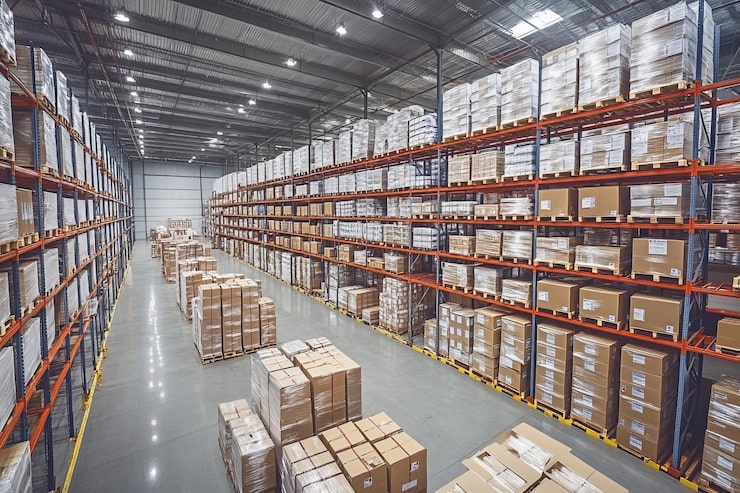
Singapore stands among the world’s top trade centres. The nation links major markets across Asia, Europe, and the Middle East through strong ports, airports, and road networks. Many global firms choose warehouse storage solutions in Singapore to shield goods and steer stock flow with ease. In addition, the country fuels smooth cargo movement through smart technology, skilled workers, and clear trade rules. These strengths help businesses move products with speed and care. As a result, Singapore continues to attract firms that seek trusted supply chain support and steady business growth.
Singapore Holds a Prime Spot for Global Trade
Singapore links Asia with Europe, the Middle East, and the Pacific region. Ships cross its waters each day with goods from many nations. Because of this, firms can send products to many markets from one central point.
A strong airport and seaport support this trade flow. Singapore logistics hub can move from a ship to a truck or a plane with less strain. As a result, supply chains stay firm and smooth.
Key Strengths of the Location
- Direct access to key shipping routes
- Strong links with global markets
- Fast cargo movement across borders
- Reliable transport systems
Modern Infrastructure Supports Fast Operations
Singapore builds strong roads, ports, and rail links that help cargo move with ease. In many areas, firms can reach ports, airports, and industrial parks within a short span. Therefore, drivers and crews save time during delivery runs.
Large industrial zones hold advanced facilities for stock handling. At the same time, these sites protect goods from heat, rain, and damage. In turn, firms can guard their stock with more care.
Features That Support Logistics Work
- Clean and secure industrial zones
- Smart cargo tracking systems
- High safety standards
- Stable power and network support
Advanced Ports Keep Cargo Moving
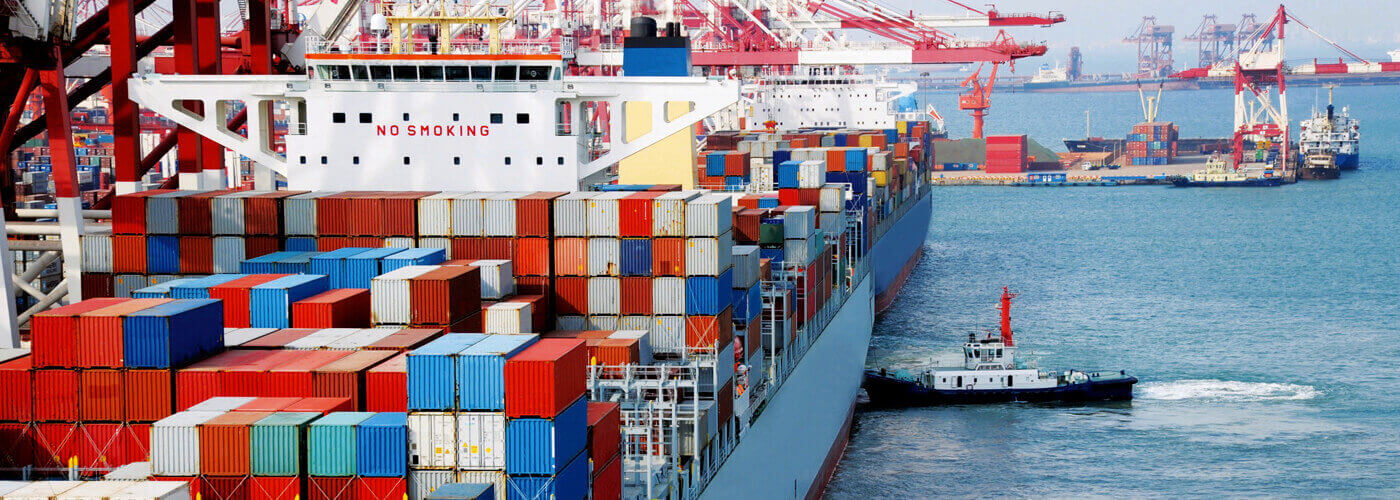
Singapore operates one of the busiest ports in the world. At the same time, ships arrive each day with containers, raw materials, and retail goods. Therefore, firms can move products across regions without long waiting periods.
Port systems use modern cranes and digital tracking tools. These transport and logistics systems help workers load and unload cargo quickly. As a result, shipping firms can maintain stable schedules.
Benefits of Strong Port Systems
- Faster loading and unloading
- Smooth customs clearance
- Reduced shipping delays
- Better cargo protection
Skilled Workers Strengthen Supply Chains
Singapore trains workers with strong technical and trade skills. At the same time, teams handle cargo, stock records, and fleet work with care. Because of this, firms can avoid delays and reduce stock errors.
At the same time, the nation supports training in shipping, supply chain work, and digital systems. As a result, many firms trust local teams with large operations.
A Skilled Workforce Helps Firms
- Track stock with precision
- Pack goods with care
- Handle customs tasks with ease
- Manage transport schedules
Strong Technology Shapes Daily Operations
Technology plays a major role in Singapore’s trade sector. Digital tools help teams trace stock, plan routes, and manage orders. Therefore, firms can spot issues before they grow into major problems.
Many sites use scanners, smart shelves, and digital records. At the same time, these tools help workers check goods with speed and care. In turn, customers gain better service and clear updates.
Smart Systems Improve Efficiency
A modern logistics company in Singapore can use data systems to:
- Track cargo in real time
- Reduce stock gaps
- Plan delivery routes
- Manage warehouse tasks
Government Support Builds Business Trust
Singapore supports trade with clear laws and stable policies. At the same time, business owners can start operations with less strain. Because of this, many global firms choose the nation as a base for regional trade.
Trade agreements with many countries help firms move goods across borders with fewer barriers. In turn, firms can expand into new markets with more confidence.
Government Support Includes
- Clear customs rules
- Stable trade policies
- Strong legal systems
- Support for digital growth
Storage Facilities Match Many Industry Needs
A logistics company in Singapore serves many sectors such as retail, food, health care, and electronics. Each sector needs different forms of care for goods. Therefore, storage providers build spaces that match those needs.
Cold rooms guard food and medical stock. High-security rooms protect valuable goods. Large storage halls support bulk cargo. As a result, firms can choose a setup that fits their trade model.
Storage Features That Help Businesses
Many firms seek warehouse storage solutions that support:
- Temperature control
- Safe stock handling
- Easy cargo access
- Smooth stock rotation
E-Commerce Growth Boosts Logistics Demand
Online shopping continues to grow across Asia. Because of this, firms need faster packing, sorting, and delivery systems. Singapore logistics hub supports this demand with strong digital and transport networks.
Many fulfilment centres now process online orders each day. Workers pack goods and prepare deliveries within short time frames. As a result, customers receive products with fewer delays.
E-Commerce Support Systems
- Fast order processing
- Smart inventory tracking
- Quick last-mile delivery
- Reliable return handling
Green Goals Shape the Future of Logistics
Singapore pushes for clean growth across the trade sector. Many sites now use solar panels, energy-saving lights, and electric vehicles. Because of this, firms can cut waste and lower fuel use.
Green plans help firms meet customer demand for clean supply chains. In turn, brands can build trust and support long-term growth.
Green Steps in the Sector
- Use of clean energy systems
- Waste reduction plans
- Electric delivery fleets
- Smart energy control tools
The Role of Transport Networks in Daily Trade
Smooth movement forms the heart of any supply chain. Singapore builds strong road links between ports, airports, and industrial sites. Because of this, trucks can move goods across the island with less delay.
The nation also supports sea and air cargo with modern systems. As a result, firms can plan shipments with more confidence and control.
Strong Transport Systems Help Firms
Strong transport and logistics systems help firms:
- Meet delivery targets
- Reduce stock delays
- Guard product quality
- Support customer trust
Conclusion
Singapore continues to shape global trade through strong infrastructure, smart technology, and skilled logistics teams. Many firms select warehouse storage services in the country because they protect goods and support smooth cargo movement. In addition, the nation offers strong transport links, stable trade rules, and modern supply chain systems that help businesses expand across Asia. Clean operations and green logistics plans also lift its global position. As trade demand grows, Singapore will continue to support firms that seek safe storage facilities, trusted delivery systems, and strong access to regional markets.
FAQs
1. Why do many businesses choose Singapore for logistics operations?
Singapore offers strong transport systems, modern ports, skilled workers, and clear trade rules. These strengths help businesses shift goods with speed and care. Many firms also trust the country’s safe business climate and strong global trade links.
2. How does technology improve logistics services in Singapore?
Technology helps firms trace goods, manage stock, and map delivery routes with ease. Smart systems cut delays and sharpen accuracy. Many logistics facilities also use digital tools to speed up packing, sorting, and shipment tasks.
3. What industries benefit most from Singapore’s logistics sector?
Retail, food, electronics, health care, and manufacturing sectors gain strong support from Singapore’s logistics network. These industries need fast and secure cargo movement. The country’s modern facilities help businesses guard goods and meet customer demand.
4. How does Singapore support green logistics practices?
Singapore supports clean logistics through energy-saving systems, electric vehicles, and waste reduction plans. Many firms now use green methods to curb fuel use and reduce pollution. These efforts help businesses build stronger and cleaner supply chains.