

Leaking issues don’t only waste water, they can create a lot of mess or hassle in your busy days. Exchanging the bucket again and again on a day can make you fatigued. Also, the noise of dropping water can disturb your peace or cost you money by turning into a big mess. A water tap leaking not only points out the loose handles of the tap, but it may because of a broken washer, or any cracked part of the tap. Mending the leak fast guards your pipes to restore calm to your home.
Why Your Tap Still Drips
Even after you twist the tap tight, that tiny drip might keep teasing you. It often means something deeper hides inside, parts that wear out, cracks that grow, or dirt that blocks the tap from closing right.
1. Worn Washers or O-Rings
Washers or O-rings act like tiny shields that block water. Over time, they dry, flatten, or tear. When that happens, water sneaks past to drips down. Swap them for new ones to stop the leak.
2. Rusty Valve Seats
The valve seat joins the tap to the spout. Minerals in the water can chew through this spot the carve tiny rough patches. Pour or rub with vinegar, which makes it smooth. If the damage sinks too deep, swap the seat for a fresh one.
3. Loose Inner Parts
Small screws that handle nuts inside the tap can wriggle loose after many turns or twists. Shifted seals weaken, letting water trickle or tighten gently to stop the leak, but avoid over-twisting to protect the threads.
Signs the Leak Is Getting Worse
When a tiny drip turns into a steady stream, your tap cries for help. Look for rust, stains, or slow drains; these clues whisper of a pipe choke or other trouble sneaking through your pipes.
- Water is pooling near the base.
- Handles that feel stiff or squeak
- White stains or green marks on metal
- A faster drip that turns into a stream
If you see these clues, fix the tap before it ruins nearby tiles or pipes.
How to Fix a Leaking Tap
Timely tap fixing with handy tools or patience makes the job smooth or simple. Sometimes, the leak hints at a hidden pipe choke, so check early to save water, time, or extra repair work.
Step 1: Take the Tap Apart
Pick a wrench or screwdriver to gently open off the handle or top cover. Place each part on a towel so nothing disturbs you. Move slowly with notice of every piece, making sure each one stays in its own safe spot.
Step 2: Check Washers with O-Rings
Look closely at the rubber parts. Do they look hard or cracked? Replace them with fresh ones of the same size or type. A snug fit stops leaks.
Step 3: Clean the Valve Seat
Wipe away dirt, grit, or white build-up. Soak a cloth in vinegar or rub the surface clean. A smooth seat helps the washer form a perfect seal.
Step 4: Clean the Inside
Scoop out any grit or dust hiding inside the tap. Rinse it with a bit of clean water, with wipe it dry with a cloth.
Hidden Plumbing Problems Behind Leaks
Sometimes, the leak doesn’t start inside the tap. It begins elsewhere in your plumbing system. Here are some hidden reasons:
1. High Water Pressure
If the water pressure runs too high, it pushes against the seals to make them fail. A plumber can test to balance it to a safe level.
2. Blocked Pipes
A blocked pipe can force water backward toward the tap. The extra pressure makes leaks appear even in good taps. Cleaning out the blockage restores the normal flow.
3. Toilet Bowl Choking
A toilet bowl choke can disturb the flow of connected pipes in bathrooms. If your sink or tap leaks often, clearing the toilet choke might help both systems work smoothly again.
How to Keep Taps from Leaking
A bit of care can stop most leaks before they start. Try these habits:
- Turn taps off gently instead of jamming them tight.
- Change washers every few years.
- Clean around the base weekly to stop grime build-up.
- Avoid harsh cleaners that eat away at rubber.
These small acts keep your tap strong or your water bill low.
When to Call a Plumber
If you’ve cleaned or replaced parts that help you, in the tap leaking problem continues, call a plumber. They can find cracks you can’t see or test for hidden leaks behind walls or under floors.
- Loose fittings behind the wall
- Worn cartridges inside mixer taps
- Weak pipe joints
- Corrosion inside metal pipes
A skilled fix ensures your plumbing runs quietly to efficiently again.
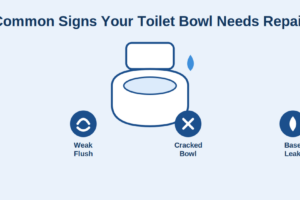
Simple Toilet Unclogging Methods
The toilet is not working properly, right? It may signal a toilet bowl choke. Stay calm with smart moves, clear the clog, or send water twirling smoothly again.
Steps to Clear Your Toilet
- Pump the plunger with strength, shake the clog loose.
- Try to clear the block with warm water.
- Clean germs or dirt by using a paste of baking soda or vinegar.
- After trying all this toilet still does not work, then call a plumber..
Choosing the Right Replacement Parts
When you buy new washers, cartridges, or seals, choose strong, long-lasting ones. Cheap parts may slide in easily, but crumble before long. Carry the old piece to the shop so you can spot a perfect match. Rubber or silicone choices usually endure the strain better. Spend a little extra now to dodge leaks later to keep your tap working like new.
Safety Tap Repair Guide
Stay safe while fixing your tap.
- Check the main knob of the tap before you start.
- Keep your tools dry and close by.
- Put a mop or below the bucket to absorb water.
These simple steps keep your work neat, safe, and smooth.
Final Thoughts
A tiny drip may seem harmless, yet it slowly steals water or money from your pocket. The steady trickle from a water tap leaking often hides deeper trouble creeping through your pipes. Stay watchful, scrub your tap clean, swap out tired parts, by twist anything that feels loose. If the drip still mocks you, call a plumber to uncover what hides beneath. A few wise moves today can shield your walls, save every drop, to restore the quiet peace of your home.
Frequently Asked Questions
1. Why does my tap still leak even after I close it tightly??
A leaking tap means always having an issue inside the tap over time washer of the tap can get loose or break, which causes water to leak. Changing the washer or tightening it can help you stop water from leaking.
2. How often should I inspect the taps and pipes in my home??
Check your taps, pipes, or drains every few months. Watch for sneaky leaks, rust marks, or damp spots. Spotting them early helps you fix small troubles before they grow into big, messy ones.
3. Which basic tools should I use to repair a small leak?
Grab a wrench, screwdriver, pliers, or new washers. Keep a towel ready to soak up drips. Always twist off the water supply before you start tinkering with any tap or pipe.
4. What should I do if my tap or toilet leaks again after repair?
If the leak returns, look deeper for cracks, rust, or clogs. Try tightening or swapping parts again. If it still drips or gushes, call a plumber to track down the real cause.