

The unexpected results of partition walls in room design create their most powerful effect. The space improvements provide people with better privacy and better organization and better practical use of their environment. The partition wall contractor develops essential skills which enable him to identify the appropriate wall type that suits your personal and business needs.
The planning process becomes more difficult because many guides use terms which create an intimidating language. This one keeps things clear and simple. The reader will discover the definition of partition walls together with their primary types and the ways those types enhance their environment.
What Is a Partition Wall?
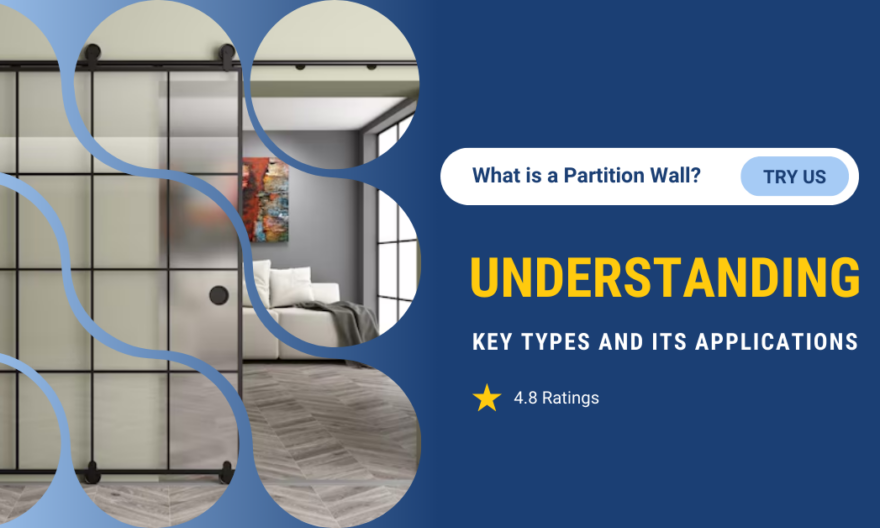
A partition wall is a non-load-bearing wall used to divide a room into sections. Its job is not to hold up a building, but to split an area for privacy, function, or better use of space. These walls appear in homes, offices, shops, schools, and warehouses.
Key features of partition walls
- Light in weight
- Flexible in design
- Quick to install
- Great for separating open spaces
- Often easy to remove or adjust
Partition walls also help with noise control, fire safety, and thermal comfort, depending on the material used.
Why Partition Walls Matter in Modern Spaces
Today, many people prefer open layouts yet still need defined areas. The partition wall successfully establishes equilibrium between two different states. The system provides personal space through its design while maintaining open access to the area. The system enables better daylight movement because it allows more light to enter than traditional solid walls do.
A skilled partition wall contractor understands how to match the right wall with your needs. The design team evaluates various factors which include sound levels and lighting requirements and budget constraints and overall design elements. The system delivers attractive appearance together with effective operational performance.
Main Types of Partition Walls
Below are the most common types used in homes and commercial spaces. Each one serves a different purpose.
1. Gypsum Board (Drywall) Partition Walls
Gypsum partitions are the most widely used today. They fit both homes and offices due to their smooth finish and quick installation.
Why people choose gypsum partitions
- Cost-effective
- Easy to paint or decorate
- Good for wiring and hidden systems
- Offers decent sound insulation
These walls use a metal or timber frame covered with gypsum boards. Contractors often add insulation inside for better sound control.
2. Glass Partition Walls
Glass partitions bring light and openness. They suit offices that want privacy without losing visibility.
Great for:
- Meeting rooms
- Manager cabins
- Modern home interiors
They come in many forms: clear, frosted, tinted, or acoustic glass.
Benefits at a glance
- Allows natural light
- Sleek and minimal look
- Can be framed or frameless
- Works well for sound-controlled spaces when using acoustic glass
3. Timber or Wooden Partition Walls
Wooden partitions bring warmth to any room. They work well in homes, cafés, and boutique stores. Some are full solid panels. Others have open slats for a stylish effect.
What makes them appealing?
- Natural look
- Strong yet lightweight
- Custom shapes and finishes
- Good for both permanent and temporary setups
4. Metal Partition Walls
Metal partitions offer strength and durability. They appear in factories, workshops, and high-traffic areas. Steel and aluminium are the most common materials.
Benefits
- Long-lasting
- Suitable for harsh environments
- Fire-resistant options available
They are not usually used in homes unless part of an industrial-style design.
5. Brick or Block Partition Walls
Although heavier than other types, brick partitions offer excellent sound and fire protection. They are ideal when you want a long-term, solid structure.
Pros
- Very strong
- Great sound insulation
- Excellent fire resistance
Where they work best
- Older homes
- Staircases
- Areas needing high privacy
6. Movable or Sliding Partition Walls
Movable partitions help change a space without building new walls. Many offices use them for multi-purpose rooms.
Common variations
- Sliding panels
- Folding partitions
- Acoustic movable walls
They offer good flexibility and allow you to open or close an area within seconds.
Comparing the Main Types of Partition Walls
Below is a quick comparison to help you skim and decide:
| Type | Best For | Key Benefits |
| Gypsum Board | Homes, offices | Smooth finish, low cost |
| Glass | Offices, modern homes | Light flow, sleek design |
| Timber | Homes, retail | Warm look, custom styles |
| Metal | Industrial areas | Strong, durable |
| Brick/Block | Older homes, private areas | Superior sound and fire resistance |
| Movable | Offices, halls | Flexible and space-saving |
Benefits of Hiring a Partition Wall Contractor
Hiring a partition wall contractor takes the guesswork out of your project. Their skill ensures your wall is built safely, meets quality standards, and performs as it should.
- Precise Planning: Accurate measurement and design that fit your space and needs.
- Proper Support: Correct framing and structural alignment for long-term stability.
- Quality Finish: Clean, smooth workmanship that looks professional and lasts.
- Enhanced Performance: Better sound control and fire resistance through proper material use.
- Time Efficiency: Faster installation with fewer errors and smoother workflow.
Installation Process in Simple Steps
Here is a clear outline of how most contractors install partition walls:
- Site check and measurement
- Planning layout and materials
- Frame installation
- Adding boards or panels
- Finishing work like sanding and painting
- Final inspection
This process changes based on the type of partition, but the flow remains similar.
Maintenance Tips for Long-Lasting Partition Walls
Maintaining your partition walls does not take much time, yet it makes a big difference in how long they last. A few simple habits help keep every type of wall in top shape.
- Glass Care: Clean glass with mild, streak-free cleaners to keep it clear and bright.
- Gypsum Protection: Avoid heavy impact on gypsum walls, as they dent more easily than solid walls.
- Wood Preservation: Keep wooden walls dry to prevent swelling and reduce long-term damage.
- Hardware Check: Inspect joints and screws once a year to ensure everything stays secure.
- Professional Support: Call a contractor for repairs instead of trying DIY fixes, especially for structural or alignment issues.
Conclusion
The presence of partition walls creates a powerful yet silent effect which determines our daily activities and professional tasks. The walls of a space control the movement patterns and communication methods and social interactions of its occupants. The different types of glass panels and wooden dividers create distinct visual attractions and functional characteristics for each product.
Partition walls offer an effective solution when you require additional space privacy and improved room traffic and new room design options. The appropriate design selection together with suitable material selection results in an authentic and inviting room atmosphere which produces a pleasing effect in the space.
FAQs
What is the main purpose of a partition wall?
The main function of a partition wall splits an area into two sections which remain independent from the building’s load-bearing elements. The system establishes distinct rooms while it enhances privacy and controls noise distribution.
Which partition wall is best for soundproofing?
The highest sound control capabilities exist in brick walls. The combination of gypsum walls and added insulation creates effective soundproofing solutions for bedrooms, offices and study areas.
Are glass partitions safe for homes?
Yes. Modern glass partitions use toughened or laminated glass. The materials provide security and durability which make them suitable for environments with abundant natural light.
How long does it take to install a partition wall?
The installation process for a basic gypsum wall requires between three hours and one day. The installation process for acoustic or wooden walls requires additional time because of their basic framework and completion work.