A cooling water piping system forms the heart of many cooling setups in large buildings and busy facilities. It moves cold water through pipes to keep rooms cool and fresh for long hours daily. Many builders choose this system because it saves energy and works well for long hours without sudden failure. When people plan a modern cooling setup, they often look at how this system can support comfort and safety in every room. Clear design and proper flow help the system perform with strength and balance across large areas. This blog explains how the chilled water piping system works, why it matters, and how it supports a smooth cooling process in simple and easy steps for everyone.
What Is A Chilled Water Piping System?
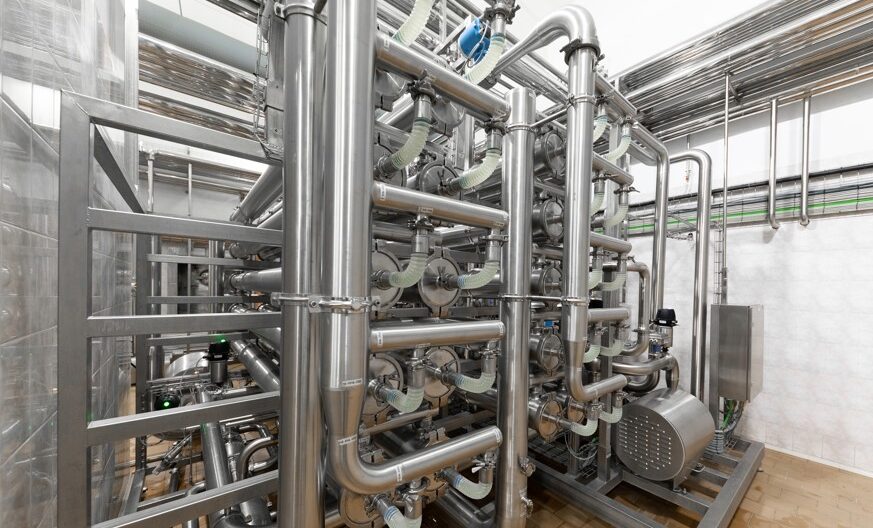
A chilled water piping system carries cold water from a cooling unit to different parts of a building through strong pipes. The system uses pipes, pumps, and valves to guide water in a smooth path without delay or resistance. The cold water absorbs heat from rooms and then returns to the cooling unit for cooling again.
This process creates a loop that runs again and again without stopping during operation hours. The loop keeps the temperature steady across all spaces in the building at all times. As a result, people enjoy a calm and cool space even during hot days and busy hours.
-
Main Parts Of The System
The system includes a few key parts that work together to support proper cooling and steady flow at all times:
- Pipes carry the water across the building in a fixed path.
- Pumps push the water forward with force to maintain steady movement.
- Valves control the flow and guide water in the correct directions.
- The cooling unit chills the water before it enters the piping network.
Each part plays a role and keeps the system running without breaks or sudden issues during long use.
Why This System Improves Cooling Efficiency
A cooling water piping system improves cooling because it spreads cold water evenly across all rooms in large buildings. This helps every room stay cool at the same time without sharp temperature changes or uneven comfort levels. The system avoids sharp temperature changes, so people feel comfortable and relaxed in every space.
Also, water carries heat better than air in most cooling systems used in buildings today. Because of this, the system uses less energy and reduces strain on cooling equipment during operation. This helps reduce waste and supports better energy use in both small and large buildings.
-
Steady Cooling Across Spaces
The system sends cold water through many paths across floors and rooms in a planned network. Each room receives the same level of cooling without delay or imbalance in temperature levels. This keeps the building balanced and avoids hot spots that can disturb comfort.
-
Energy-Saving Benefits
The system lowers energy use because it moves water instead of large volumes of air across spaces. This makes the process smooth and less demanding on machines and support systems. As a result, buildings save power and reduce overall energy load during daily use.
Key Steps in HVAC Installation With This System
During HVAC installation, workers follow clear steps to set up the piping system with care and proper planning. Each step ensures proper flow and strong performance without errors or weak points in the system.
-
Planning the Layout
Workers first map the building and study each space before placing pipes in the correct paths. They mark where pipes should run to ensure proper reach across all areas in the building. This step ensures that water reaches every space without delay or loss of cooling strength.
-
Choosing Pipe Materials
Workers select pipes that resist rust, damage, and wear over time under pressure and use. Strong materials help the system last longer and reduce the need for frequent repairs or replacements.
-
Installing Pumps And Valves
Workers place pumps and valves in the right spots to support smooth water movement across the system. Pumps drive the water, while valves guide and control the flow in each section.
-
Testing The System
After setup, workers test the system in full operation to check its strength and stability. They check for leaks and ensure smooth water movement across all connected pipes.
How Pipe Design Affects Performance
Pipe design shapes how well the system works and how efficiently it cools different spaces in a building. A smart design helps water move without blockages or sudden pressure loss in any section. It also reduces pressure loss and keeps flow stable during long hours of operation.
-
Pipe Size And Flow
Large pipes allow more water to pass through them and support faster cooling across large areas. Small pipes restrict flow and may reduce cooling strength in distant rooms. So, workers must choose the right size based on building needs and system design.
-
Pipe Insulation
Insulation keeps the water cold as it travels through pipes across long distances in the building. Without it, the water may gain heat before it reaches its target cooling points. Proper insulation supports better efficiency and stable temperature control.
Role Of HVAC Installation In System Success
A strong HVAC installation ensures that the piping system works with full strength and long-term reliability. Skilled workers place each part with care and follow a clear plan during setup and testing. When workers install the system with accuracy, they prevent leaks and reduce wear over time. This helps the system run for many years without trouble or failure.
-
Correct Placement Of Components
Workers place each part in the right location to support smooth and direct water movement. This helps water move in a direct path without delay or unnecessary resistance in pipes.
-
Balancing the System
Workers adjust valves and pumps to keep water flow equal across all areas of the building. This balance keeps cooling steady across all rooms and avoids uneven temperature levels.
Common Challenges And Simple Solutions
Even a strong system may face some issues during long use in busy buildings and changing conditions. However, simple actions can solve these problems and restore system performance quickly.
-
Leakage Problems
Leaks can occur if joints weaken or connections loosen over time with regular system use. Workers fix this by sealing joints and checking connections across the entire piping network.
-
Air in the Pipes
Air can block water flow and reduce cooling strength in different parts of the system. Workers remove air using special valves placed at key points in the piping network.
-
Uneven Cooling
Some rooms may feel warmer due to flow imbalance or design issues in the system. Workers adjust valves to balance the flow and restore even cooling across all areas.
Maintenance Tips For Long Life
Proper care helps the system stay strong and perform well over many years of regular use. Regular checks prevent sudden faults and reduce repair costs over time.
-
Check For Leaks
Workers should inspect pipes often to find weak points or leaks before they grow into bigger issues. This helps spot leaks early and fix them quickly.
-
Clean the System
Dust and dirt can affect performance and reduce cooling strength across different areas. Cleaning keeps the system smooth and supports proper flow in pipes.
-
Monitor Water Flow
Workers should watch how water moves across the system during operation and check for any unusual changes. This helps detect any block in the system early.
Conclusion
A well-designed chilled water piping system supports smooth and steady cooling in large spaces and complex buildings. It moves cold water through pipes and removes heat with ease across all areas. When workers follow the right steps during setup and care for the system with regular checks, the system performs with strength and balance. This approach also saves energy and supports a cleaner environment for future use. With clear planning and smart design, the system continues to serve buildings for many years without failure. As cooling needs grow, this system remains a strong and reliable choice for efficient temperature control in modern structures.
FAQs
What Does A Chilled Water Piping System Do?
It carries cold water through pipes to remove heat from rooms and keep spaces cool and comfortable.
Why Is HVAC Installation Important For This System?
It ensures the correct placement of pipes and parts, which helps the system run smoothly and efficiently.
How Often Should The System Be Checked?
Workers should inspect the system on a regular basis to prevent leaks and blockages in pipes.
Can This System Save Energy?
Yes, it uses water to carry heat, which reduces energy use and improves cooling efficiency.