Office security plays a big role in every business today. Companies need reliable solutions that protect employees, valuable assets, or important information. While keeping daily work simple. As workplaces grow, managing who enters different areas can become more difficult. A
biometric door lock gives businesses a smart way to manage entry without depending on traditional keys or access cards. It scans unique personal features or unlocks doors for approved users. As a result, organisations strengthen security or reduce access risks to create a smoother experience for employees or visitors.
Why Offices Choose Biometric Access
Many workplaces want security that fits into daily routines. Therefore, biometric access has become a practical choice. It combines safety with convenience or helps teams manage entry with less effort.
Key Benefits for Daily Operations
- Removes the need for physical keys.
- Reduces the chance of unauthorised entry.
- Speeds up movement through secure areas.
- Creates clear access records for review.
- Supports better control over restricted spaces.
So, the staff does not get puzzled between keys or keep demanding to replace them every time. Biometrics can recognise the user once they save their fingerprint in it. This helps them to open a door without any disturbances.
How Biometric Systems Improve Security
Security remains a top priority for every office. While traditional methods can create gaps. When keys go missing or when access cards change hands. Biometric systems link entry to a person, which strengthens protection.
Stronger Control Over Office Spaces
A biometric door lock for office doors helps managers assign access based on roles or responsibilities. For example, finance rooms, server areas, or storage spaces can remain available only to approved staff. The common areas stay open to wider teams.
It can also keep a record of who enters or when. This information supports accountability or helps organisations respond to security concerns with confidence.
Reducing Risks Linked to Lost Keys or Cards
Many offices still rely on keys or access cards for entry. These can be lost, damaged, or fall into the wrong hands. When this happens, security risks can increase without warning.
Eliminating Common Access Problems
With biometric authentication, employees can gain access using their fingerprint or another approved identifier. This eliminates the need to regularly replace lost keys or deactivate missing access cards.
This
door access system Singapore also helps security teams maintain tighter control over office access. In turn, they can focus on larger security goals rather than routine credential issues.
Advantages Over Traditional Access Methods
- No physical key to lose.
- No card sharing between employees.
- Less risk of unauthorised duplication.
- Faster identity verification.
- Stronger protection for restricted zones.
Enhancing Employee Convenience
A secure workplace should be both safe and easy to navigate. That is why many organisations choose biometric systems, as they make daily access simpler and more convenient for employees.
Faster Entry During Busy Hours
Morning rush hours can cause queues at office entrances. Biometric systems make entry faster or easier. Employees do not need to search for keys or access cards.
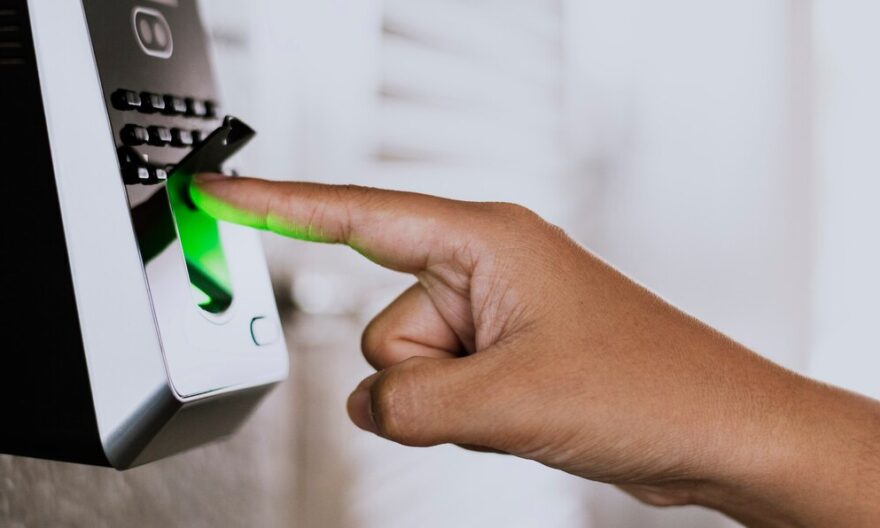
They simply place a finger on the scanner to gain access. This reduces waiting times or helps people move through the workplace more smoothly.
Supporting a Better Workplace Experience
Employees appreciate systems that save time or reduce frustration. Simple access procedures make the start of the workday smoother or more convenient.
When small barriers are removed, employees can work more efficiently. This allows teams to focus on their tasks without unnecessary delays.
Supporting Compliance and Security Policies
Many industries have strict security requirements. Organisations need access systems that help them meet these standards.
These systems support both internal policies or external regulations. They also help businesses maintain a secure or compliant workplace.
Accurate Access Records
Biometric systems keep detailed records of who enters and exits the workplace. These logs help organisations monitor access and review security incidents when needed.
Managers can quickly spot unusual activity and take action when necessary. This improves visibility and strengthens overall workplace security.
Helping During Audits
- Provides clear access histories.
- Supports internal investigations.
- Helps demonstrate security compliance.
- Simplifies record management.
- Strengthens accountability across departments.
Because records remain organised or accessible, audits often become easier to manage.
Supporting Different Office Areas
Not every area in an office needs the same level of security. That is why organisations assign different access permissions based on specific business needs. This ensures employees can enter the areas required for their work while keeping sensitive spaces protected.
Securing High-Value Spaces
Certain areas contain sensitive information or expensive equipment. These door access system in Singapore spaces may include:
- Server rooms.
- Finance departments.
- Executive offices.
- Research facilities.
- Document storage areas.
Biometric access helps protect sensitive areas within the workplace. At the same time, it allows employees to move around efficiently. This improves security without disrupting daily operations or slowing down workflows.
Integration with Workplace Security Systems
Modern offices often use several security tools at the same time. Therefore, access control systems need to work alongside existing infrastructure.
Creating a Unified Security Environment
Many biometric systems integrate with security cameras, alarm systems, or visitor management platforms. As a result, organisations gain a broader view of workplace activity. When security tools operate together, teams can monitor incidents more effectively or respond with greater confidence.
Benefits of Integration
- Improves security monitoring.
- Strengthens incident response.
- Supports centralised management.
Supporting Business Growth
Growing organisations often face new security challenges. Therefore, access systems should adapt as teams expand or office layouts evolve.
Flexible Access Management
As businesses hire new employees, managers need simple ways to assign permissions. Biometric systems help administrators add users without replacing locks or distributing physical credentials.
This biometric door lock for office doors also provides flexibility to support changing workforce requirements while maintaining strong security standards.
Final Thoughts
Modern workspaces need security systems that sort of merge protection, effectiveness, and ease. For businesses its important that only the proper people enter the proper spaces while keeping movement around the office smooth, or at least organised. A biometric door lock helps firms reach these aims by guarding key entry points and also providing visible records of access activity, kinda like a log you can actually trust. Plus, it removes the hassle of physical credentials, or it supports quicker workplace control more. When an organisation picks this type of solution, they end
up with a safer, more orderly, and maybe even future-ready atmosphere for employees, visitors, and other valuable business resources.
FAQs
1. How does biometric access work in an office?
The system reads a unique feature, such as a fingerprint, to confirm a person’s identity. It then opens the door or logs the entry. This process helps teams track movement or strengthen workplace security.
2. Is biometric access suitable for small offices?
Yes. Small offices can use biometric access to boost security, manage employee entry, or remove the need for physical keys or cards. It also helps teams guard restricted areas with greater control.
3. Can managers control access to different rooms?
Yes. Managers can set specific access rights based on job roles. This allows employees to enter approved areas while helping organisations shield sensitive rooms from unwanted entry.
4. What happens when an employee changes roles or leaves the company?
Administrators can adjust or remove access rights through the system. This action helps maintain security or ensures the right people continue to enter the correct workplace areas.