


A Taoist funeral in Singapore and a Buddhist funeral share some surface-level similarities — incense, chanting, and multi-day vigils — but they come from distinct spiritual traditions with different beliefs about the afterlife, ritual practices, altar setups, and ceremonial obligations. Knowing the difference helps families make an informed, respectful choice during a difficult time.
If you are trying to decide which type of service best honours your loved one, this guide breaks down each tradition clearly — from the prayers offered on the first night to what happens at the final send-off.
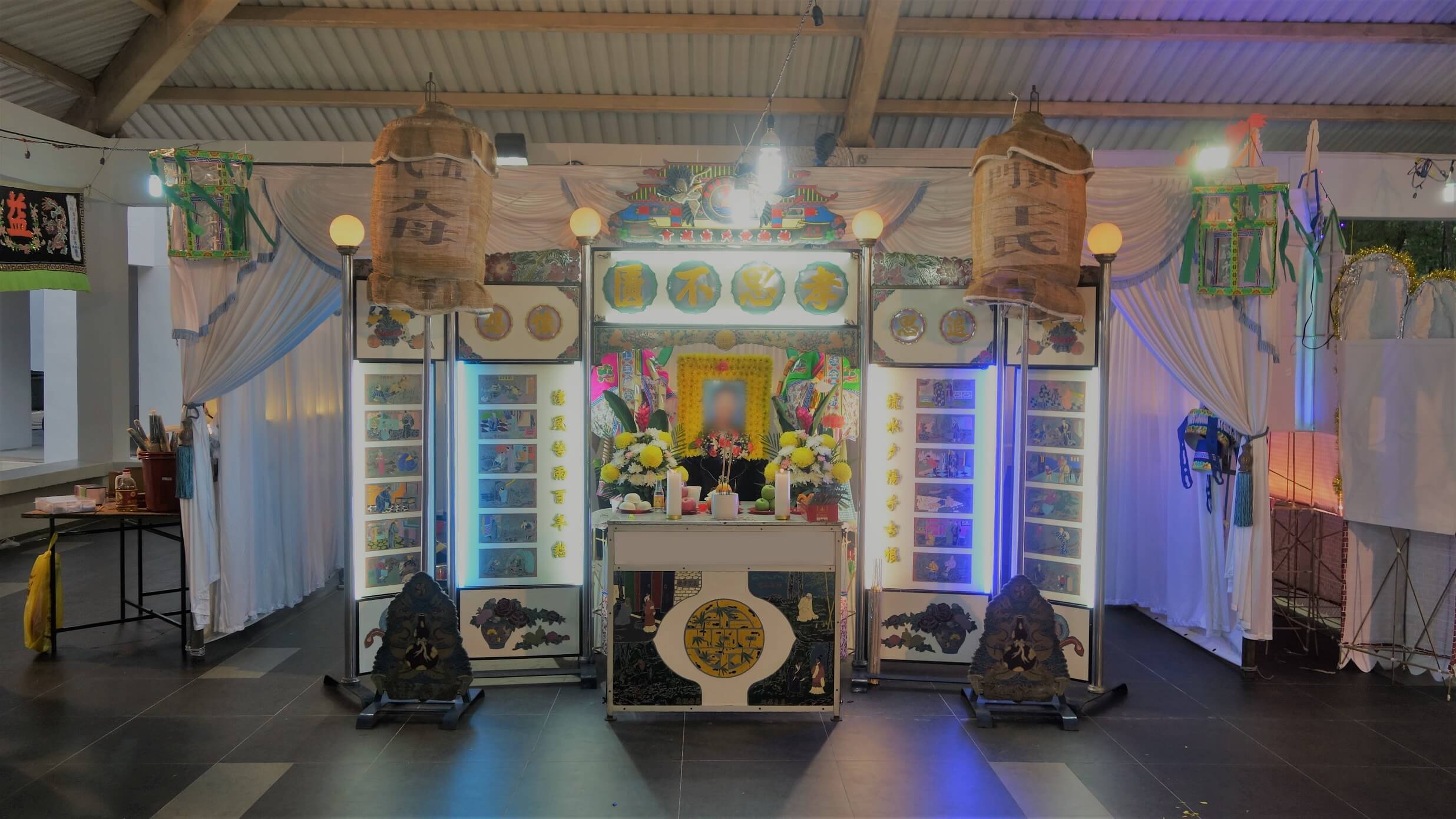
What Is the Core Difference Between Taoist and Buddhist Funerals?
The primary difference is in the faith. Taoism is the harmony with the natural order of things, the journey of the soul through numerous spiritual realms Buddhism is based on the teachings of Siddhartha Gautama and is focused on the cycle of reincarnation and how to escape it. Both faiths aim to help the dead to a peaceful passage, but they do so within quite different ritual contexts.
Such funerals will often look alike to the untrained eye in Singapore, where the Chinese community observes both rituals. But the chants, the officiating priests, the things on the altar and the symbolic gifts are significantly different between the two.
Taoist Funeral Traditions in Singapore
Who Officiates and What They Do
A Taoist funeral is led by a Taoist priest (道士, Dào shì), who performs elaborate rituals to guide the soul safely through the underworld. The priest chants scripture from Taoist texts, performs symbolic acts to appease deities, and conducts rituals designed to release the soul from spiritual debt.
These ceremonies can be highly theatrical — involving gongs, cymbals, and ornate robes. The ritual intensity often reflects the family’s level of devotion and the financial provisions made for the deceased’s spiritual journey.
The Altar and Offerings
A Taoist altar typically features:
- Images or statues of Taoist deities such as the Jade Emperor
- Paper offerings — including paper money, houses, cars, and luxury goods to be burned for the deceased
- Elaborate food offerings as tributes
- Incense to communicate with the spiritual realm
The burning of paper effigies is central to Taoist funeral customs. Families believe the smoke carries these offerings into the afterlife, ensuring the deceased is well-provided for.
Duration and Key Rituals
Taoist funerals in Singapore typically last three to five days. Key rituals include the “Breaking of Hell’s Gate” ceremony, the nightly chanting vigil, and a procession on the final day. The priest may also perform a ritual meal offering and a “crossing the bridge” ceremony to symbolise the soul’s passage into the next realm.
Buddhist Funeral Traditions in Singapore
Who Officiates and What They Do
A Buddhist funeral is conducted by monks or nuns from a monastery or Buddhist association. Their job is to chant sutras, especially the Amitabha Sutra or the Heart Sutra, to create merit for the dead and help them have a good rebirth. The tone is meditative and solemn, not about appeasing deities but about releasing attachment.
In Singapore, many families invite monks from temples under the Singapore Buddhist Federation, which oversees Buddhist practice for the different Chinese dialect groups like the Hokkien, Teochew and Cantonese communities.
The Altar and Offerings
A Buddhist funeral altar is comparatively simpler:
- A portrait of the deceased flanked by candles and incense
- An image of Amitabha Buddha (Amituofo) or Guanyin
- Vegetarian food offerings, reflecting Buddhist principles of non-harm
- Fresh flowers and fruit as symbols of impermanence
Paper burning is less prominent in Buddhist Funeral Singapore, though some families blend folk customs into the service. The emphasis is on mindfulness, merit-making, and letting go.
Duration and Key Rituals
Buddhist funerals also typically run three to five days. Rituals include sutra chanting sessions, a prayer dedication ceremony, and a final blessing before cremation or burial. Families may be encouraged to recite the name of Amitabha Buddha (“Namo Amituofo”) continuously during the wake to support the deceased’s transition.
Side-by-Side Comparison: Taoist vs Buddhist Funeral
| Feature | Taoist Funeral | Buddhist Funeral
|
| Officiant | Taoist priest (Dào shì) | Monks or nuns |
| Core Belief | Soul’s journey through spiritual realms | Cycle of rebirth, path to liberation |
| Chanting Style | Ritual incantations, deity invocations | Sutra recitation, meditative chanting |
| Altar Setup | Deity statues, elaborate food, paper offerings | Buddha image, vegetarian offerings, flowers |
| Paper Burning | Central and extensive | Minimal or absent |
| Tone | Ceremonial, elaborate, deity-focused | Solemn, meditative, merit-focused |
| Duration | 3–5 days | 3–5 days |
| Final Rite | Crossing the bridge, gate-breaking ceremony | Sutra dedication, Amitabha recitation |
Which Tradition Should Your Family Choose?
The choice between a Taoist and Buddhist funeral should reflect the beliefs and practices the deceased observed during their lifetime. Ask yourself: Did they visit a temple, and if so, what kind? Did they recite sutras or pray to specific deities? Did they follow a vegetarian diet for religious reasons?
In Singapore, it is also common for families to blend elements — particularly among older generations who may have followed both traditions loosely. A reputable funeral director can help navigate these nuances and ensure the service is conducted with integrity and cultural sensitivity.
If the deceased’s specific tradition is unclear, a Buddhist funeral is often considered more neutral in tone, while a Taoist service may carry stronger ritual obligations that require the family’s active participation throughout.
Practical Considerations for Families in Singapore
Beyond spiritual considerations, families should also think about:
- Location: HDB void decks, funeral parlours, and religious halls all accommodate both types of services
- Cost: Taoist funerals with full priestly ceremonies tend to cost more due to the elaborate ritual elements
- NEA guidelines: The National Environment Agency of Singapore regulates funeral activities, including incense and joss paper burning, to manage air quality and public safety
- Dialect group customs: Hokkien, Teochew, Cantonese, and Hakka communities may observe distinct variations within both traditions
Families arranging services through Singapore Buddhist Funerals can receive guidance on the appropriate package and ritual structure based on the deceased’s background and the family’s wishes — ensuring every detail reflects what truly matters.
FAQ: Taoist vs Buddhist Funerals in Singapore
What is the main difference between a Taoist and Buddhist funeral in Singapore?
The funeral is officiated by a Taoist priest who conducts rites with the deities to guide the soul through spiritual realms. In Buddhist funerals, monks chant sutras to gain merit for the deceased. The settings of the altar, the offerings, and the ritual tones are very different in the two traditions.
Can a family combine Taoist and Buddhist elements in one funeral?
It can be done, but not necessarily from a doctrinal standpoint. Some Singapore families mix folk customs into either service. A funeral director who knows what he/she is doing will be able to tell you what fits the culture and the spiritual beliefs of the deceased.
How long does a Taoist funeral in Singapore typically last?
In Singapore, a Taoist funeral typically takes three to five days. Length depends on the family’s preference and the extent of rituals involved. The main ceremonies are nightly chanting vigils, the “Breaking of Hell’s Gate” and a procession on the last day.
Do Buddhist funerals in Singapore involve paper burning?
Traditional Buddhist practice does not focus on burning paper. But some Singapore Chinese families mix this folk custom with Buddhist services. Monks are more likely to emphasize sutra chanting and merit dedication than symbolic material offerings.
Who should I contact to arrange a Taoist or Buddhist funeral in Singapore?
Contact a licensed funeral service provider familiar with both traditions. They can identify the deceased’s faith background, suggest the appropriate package and coordinate officiants, altar setup and logistics — especially vital when the family is in the grips of grief and time-sensitive arrangements.
Is chanting compulsory at both Taoist and Buddhist funerals?
Both traditions are centered around chanting. Taoist funerals involve priests chanting incantations to guide the soul and appease the deities. In Buddhist funerals monks chant sutras to aid the dead in their rebirth. The two differ in style, content and intention of the chanting.
