


Singapore warehouse companies improve supply chain efficiency with organized storage, faster order fulfillment, real-time inventory visibility and strategic distribution support. They are the essential links between manufacturers, suppliers and end customers, minimizing transit delays, reducing overheads and ensuring products flow thru the supply chain with minimal disruption.
For manufacturers and distributors in Singapore, the performance of supply chains directly impacts customer satisfaction, business costs and competitive positioning. A good warehouse in singapore does not just store your goods – it helps you streamline your operations, making them faster and more predictable, from the moment the stock arrives to the moment it leaves.
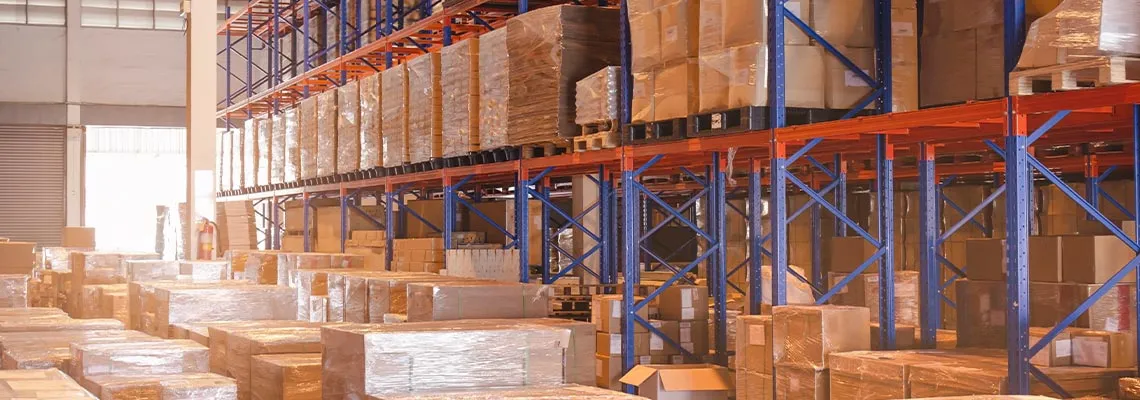
Why Warehousing Is Central to Supply Chain Management
Singapore, as a global trading hub, cannot afford to have inefficient warehousing. Logistics and supply chain management are a key part of Singapore’s position as a regional distribution center for Southeast Asia, said the Singapore Economic Development Board (EDB).
Modern warehouses in Singapore are no longer just passive storage facilities. They are active operational hubs that coordinate inbound freight, stock management, value-added services and outbound distribution, all in one managed environment.
For manufacturers and distributors, this means:
- Shorter lead times between procurement and delivery
- Reduced holding costs through better inventory turnover
- Greater flexibility to scale up or down based on demand cycles
- Fewer fulfilment errors and customer complaints
Key Ways Warehouse Companies Strengthen Supply Chain Operations
1. Faster Order Processing and Fulfilment
Speed is a competitive differentiator. Warehouse companies use structured picking and packing workflows, barcode scanning, and inventory management systems to reduce the time between order receipt and dispatch. For distributors handling high SKU volumes, this operational discipline prevents backlogs and keeps fulfilment timelines consistent.
Many providers in Singapore also offer same-day or next-day fulfilment for local deliveries — a critical capability for businesses supplying retail chains or time-sensitive industrial clients.
2. Real-Time Inventory Visibility
One of the most persistent pain points in supply chain management is not knowing where stock is at any given moment. Modern warehouse management systems (WMS) give manufacturers and distributors live inventory data, including stock levels, location mapping, and expiry tracking where relevant.
This visibility directly reduces the risk of stockouts, over-ordering, and misallocation — problems that silently erode margins and delay production schedules.
3. Strategic Location Within Singapore’s Logistics Network
Singapore’s logistics infrastructure — including the Port of Singapore, Changi Airport, and its network of industrial estates — is purpose-built for regional distribution. Warehouse facilities located within or near these corridors offer shorter transport legs, faster customs clearance processing, and tighter coordination with freight forwarders.
For manufacturers importing raw materials or distributing finished goods across ASEAN, this geographic advantage translates into measurable lead time reductions.
4. Value-Added Services That Reduce Downstream Complexity
Quality warehouse companies in Singapore typically offer services beyond basic storage. These include:
- Kitting and assembly: Bundling components before dispatch, saving time on the production floor
- Labelling and repackaging: Meeting retailer or export-market compliance requirements
- Quality inspection: Catching defects or discrepancies before goods reach the customer
- Cross-docking: Transferring inbound stock directly to outbound shipments without extended storage
These services reduce the number of steps between receipt and dispatch, cutting both time and handling costs for manufacturers and distributors.
5. Scalable Capacity for Demand Fluctuations
Seasonal demand peaks, promotional campaigns, and supply disruptions all create unpredictable storage needs. Rather than maintaining oversized in-house facilities, many businesses in Singapore outsource warehousing to logistics companies that offer flexible storage arrangements — paying only for the space and services they actually use.
This flexibility is especially valuable in sectors like consumer goods, electronics, and industrial manufacturing, where demand can shift quickly and warehouse space in Singapore is at a premium.
How Logistics Companies Support End-to-End Supply Chain Efficiency
The most effective warehouse partners don’t operate in isolation. They integrate directly with broader logistics companies and freight networks, providing a seamless handover from storage to last-mile delivery.
This end-to-end coordination typically includes:
- Inbound freight receiving and verification
- Inventory management and cycle counting
- Order management system (OMS) integration with client platforms
- Coordinated outbound shipping with preferred carriers
- Returns processing and reverse logistics
When warehousing and logistics are tightly aligned, manufacturers and distributors gain a single point of accountability — reducing miscommunication between suppliers, carriers, and customers.
Common Supply Chain Problems Warehousing Solves
| Supply Chain Problem | How Warehousing Addresses It |
|---|---|
| Delayed order fulfilment | Streamlined pick-pack workflows reduce processing time |
| Inventory inaccuracies | WMS and barcode scanning maintain accurate stock records |
| High last-mile delivery costs | Strategic warehouse placement reduces transport distances |
| Inflexible storage capacity | Scalable third-party warehousing adjusts to demand changes |
| Compliance and labelling errors | Value-added services ensure market-ready packaging |
What Manufacturers and Distributors Should Look for in a Warehouse Partner
Not all warehousing providers offer the same level of operational sophistication. When evaluating a warehouse in Singapore, manufacturers and distributors should assess the following:
- Technology integration: Does the provider’s WMS connect with your ERP or OMS?
- Service breadth: Can they handle kitting, returns, and compliance labelling alongside storage?
- Location: Is the facility positioned for efficient access to your key freight corridors?
- Track record: Do they have verifiable experience in your industry vertical?
- Flexibility: Can they scale storage and staffing up or down based on your demand cycles?
A warehouse provider that ticks these boxes becomes a genuine operational asset — not just a cost centre on the balance sheet.
The Role of Compliance and Safety Standards in Singapore Warehousing
Singapore has clear standards on warehouse safety, fire prevention and hazardous goods handling in the regulatory environment. Warehouse operations are regulated by the Singapore Civil Defense Force (SCDF) and the Workplace Safety and Health Act (WSH Act), with obligations on both the operators as well as their clients.
Partnering with a compliant warehouse provider also protects manufacturers and distributors from liability exposure, and ensures goods are stored according to industry and regulatory standards, especially critical when handling chemicals, pharmaceuticals or temperature-sensitive products.
Palline: Supporting Smarter Supply Chains in Singapore
For manufacturers and distributors looking to sharpen their supply chain performance, Palline offers warehousing and logistics solutions designed around operational efficiency. With a focus on accuracy, speed, and service flexibility, Palline works as an integrated partner across storage, fulfilment, and distribution, helping businesses reduce delays, improve inventory control, and deliver more reliably to their customers across Singapore and the region.
Frequently Asked Questions
What does a warehouse company in Singapore actually do for supply chain management?
A warehouse company in Singapore stores, manages and distributes goods on behalf of manufacturers and distributors. In addition to storage, they track inventory, fulfilll orders, offer value-added services like kitting and labeling, and coordinate with freight carriers – becoming an active contributor to supply chain efficiency, not just a passive storage entity.
How does outsourcing warehousing improve efficiency for manufacturers?
By outsourcing warehousing, producers can concentrate on their core manufacturing and professionals can handle storage, inventory control and order dispatch. It removes the capital cost associated with owning and running a facility, provides access to sophisticated warehouse management tools and provides expandable capacity all of which minimize operational complexity and enhance fulfillment time.
What is the difference between a warehouse and a logistics company in Singapore?
A warehouse is more about storage and inventory management, a logistics business is more about the wider transportation of goods (freight, customs, last mile delivery, etc). Many Singapore providers offer both, giving clients an end-to-end service covering everything from inbound receipt to final consumer delivery.
How do warehouse management systems (WMS) improve inventory accuracy?
WMS provides reliable inventory management thru barcode scanning, real-time data updates, and automated stock reconciliation. That cuts down on choosing mistakes, prevents stockouts, and gives supply chain managers real-time visibility into stock levels—removing the guesswork that leads to costly overstock or missed orders.
What should distributors consider when choosing a warehouse in Singapore?
Location in relation to freight corridors, technology integration with current systems, the provider’s suite of value-added services, compliance with Singapore safety requirements and ability to increase capacity are some factors distributors should consider. Choosing a warehouse partner with these attributes can considerably cut down your fulfillment lead times and operating overhead.
Are there regulations governing warehouse operations in Singapore?
Yes. The Singapore Civil Defense Force (SCDF) enforces the workplace safety and health (WSH) Act and fire safety standards in warehouse operations in Singapore. If you store hazardous products, there are extra licensing and handling requirements, therefore it is important that you choose a warehouse provider that is fully compliant with all regulations.
