


Taoist funeral rites are a set of ceremonies based on Taoist beliefs about death, the soul and the afterlife. They usually consist of ceremonial bathing of the dead, prayer offerings, chanting by priests, burning of paper objects and a formal procession. Every rite had a spiritual goal to aid the soul in reaching the afterlife safely while bringing peace to the living.
When we lose someone we love, grief can overwhelm us. For those witnessing or conducting Taoist funeral rituals for the first time, the rites may appear unusual or even baffling. What is the meaning of burning paper offerings? Why do monks chant all night long? Learning about these Taoist funeral practices will enable you to attend with intention and properly honour the deceased.
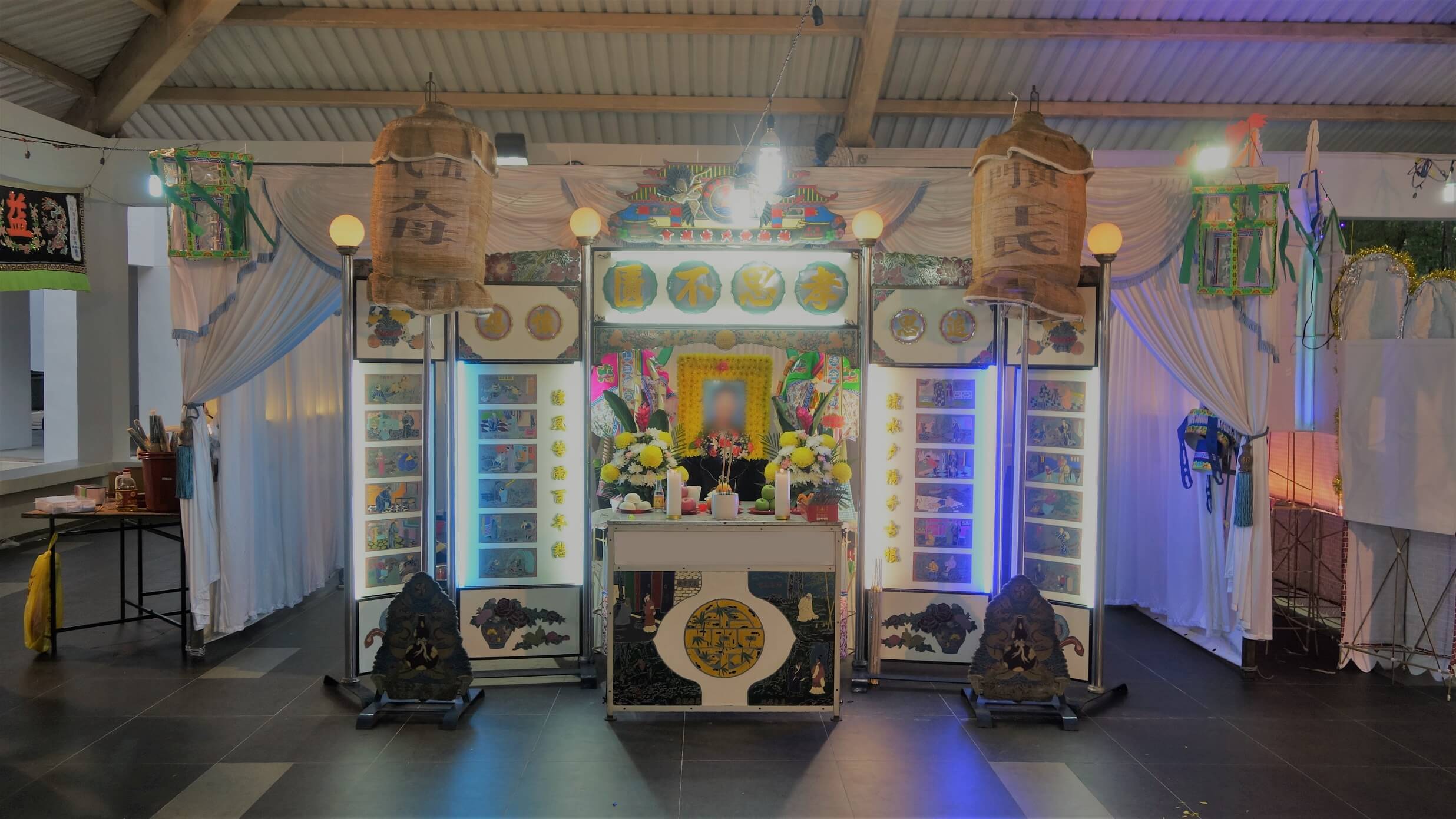
The Core Beliefs Behind Taoist Funerals
Taoism says death is not an ending, but a change. The hun, or soul, departs from the body and continues its journey through the spiritual worlds until it reaches its final destination. The living are responsible for helping this journey — by prayers, offerings, and ritual acts — so the soul is not lost or troubled along the path.
Taoism is one of the most extensively practiced religious traditions in Singapore. According to the Department of Statistics Singapore, Taoists accounted for around 8.8% of the resident population in the 2020 census. One of the most important representations of this faith is funeral ceremonies. Passed down through centuries, they are still practiced actively in the Chinese communities in Singapore today.
Key Taoist Funeral Rituals and What They Symbolise
1. Ritual Cleansing and Dressing of the Deceased
The first ritual begins immediately after death. The body is carefully washed and dressed in clean, traditionally coloured garments — often white, black, or dark tones. This cleansing is not merely hygienic. It signals respect and prepares the soul for its departure. The body is then placed in the coffin with items the deceased may need in the afterlife.
2. Setting Up the Altar and Offerings
An altar is arranged near the coffin, typically featuring a portrait of the deceased, incense burners, fruit, food offerings, and candles. Incense smoke is believed to carry prayers upward to the spiritual realm. Each item placed on the altar carries meaning — food nourishes the spirit, while candles illuminate the path forward.
Family members take turns paying their respects at the altar throughout the wake, which typically lasts two to five nights depending on the family’s customs and the priest’s guidance.
3. Funeral Chanting by Taoist Priests
One of the most recognisable elements of a Taoist funeral is the sound of funeral chanting — rhythmic, melodic recitations performed by Taoist priests throughout the wake period. These chants, drawn from sacred Taoist scriptures, serve a precise purpose: they guide the soul through the various spiritual realms and ask the gods to grant it safe passage.
The chanting often continues late into the night. Priests may use percussion instruments, including cymbals and drums, to accompany the recitations. Far from being ceremonial noise, each chant is a prayer — a direct communication with the divine on behalf of the deceased.
4. Burning of Paper Offerings
The burning of joss paper, paper effigies, and other symbolic items is central to Taoist prayer rituals. Families burn paper representations of houses, cars, clothing, money, and everyday items. The belief is that fire transforms these objects into spiritual equivalents that the deceased can use in the afterlife.
This ritual is also an act of love — a way for the living to continue caring for someone even after they are gone. In Singapore, this practice is commonly observed during wakes and again during Qing Ming (the annual tomb-sweeping festival).
5. The Ritual Procession
Before burial or cremation, a formal procession takes the coffin from the wake location to its final destination. This procession often includes priests, family members dressed in mourning attire, and sometimes a traditional band. The route may be deliberate — following a path selected by the priest to ensure smooth spiritual transition.
Family members walk behind the hearse, often barefoot or wearing simple mourning shoes, as a mark of humility and filial piety. This visible public act of mourning honours the deceased and acknowledges the gravity of the loss.
6. The Final Farewell — Burial or Cremation
Both burial and cremation are practised in Taoist funerals in Singapore, though cremation has become increasingly common due to land constraints. The choice is often guided by the family’s tradition, the priest’s recommendation, or the wishes of the deceased. Prayers and final offerings are made at the crematorium or graveside before the family returns home.
Post-Funeral Taoist Prayer Rituals
The rituals do not end with the funeral. Taoist families observe a mourning period — typically 49 days — during which prayers are offered at regular intervals. These post-funeral prayers are believed to support the soul as it completes its spiritual journey.
Key observances include:
- The 7th day ritual — The soul is believed to return home briefly, and the family prepares offerings to welcome and bid farewell again.
- The 49th day rites — Considered the conclusion of the mourning period; priests perform final prayers to complete the soul’s transition.
- 100-day prayers — A quieter observance marking the end of the formal mourning period.
Why These Rituals Matter in a Modern Context
Some families in Singapore may be confused as to which traditions to follow, especially when navigating sg funeral service procedures for the first time or when family members have mixed religious beliefs. It’s not about doing every ritual correctly — it’s about doing each one with sincerity and understanding.
Taoist funeral rites are intended to provide a structure for grieving. They provide the family meaningful things to do in a time of powerlessness. Each ceremony is a way of caring, for the dead, and for those left behind.
For those hosting or attending a Taoist funeral in Singapore and require instruction on the complete set of rites, Singapore Buddhist Funerals is able to offer professional help in guiding families through these customs with care and respect.
Frequently Asked Questions
What is the purpose of chanting at a Taoist funeral?
The soul must go safely after death via the spirit worlds Taoist priests do funeral chanting. The chants are derived from sacred literature and are direct appeals to the gods to ensure safe passage and protection of the departed on their spiritual journeys.
How long does a Taoist funeral typically last in Singapore?
A Taoist funeral wake in Singapore normally lasts for two to five nights, depending on the family’s customs and the priest’s instructions. The whole mourning period, including the prayers following the funeral, is generally 49 days after death.
What do paper offerings represent in Taoist funerals?
They burn paper offerings (such as paper money, houses and everyday items) so that the departed have spiritual equivalents to use in the hereafter. This practice reflects the Taoist belief that the living can still care for the dead after they have passed away.
Is cremation acceptable in Taoist funeral practice?
Yes, cremation is rather common in Taoist funerals, particularly in Singapore, where space is restricted. Usually, the option of burial or cremation is made on the basis of the family’s custom, the priest’s recommendation or the deceased’s declared request before death.
What should a non-Taoist guest wear to a Taoist funeral?
If you are not a Taoist, you should dress modestly and wear dark or muted colors, such as black, dark gray or navy. Avoid bright colors and ostentatious accessories. During the ritual, it is respectful to follow the lead of family members and bow at the altar.
What happens during the 49-day mourning period in Taoism?
The family prays at regular intervals for 49 days for the journey of the soul through spiritual worlds. The official grieving period ends on the 49th day. On that day a Taoist priest will execute a last prayer ceremony to finalize the transition of the soul.
