

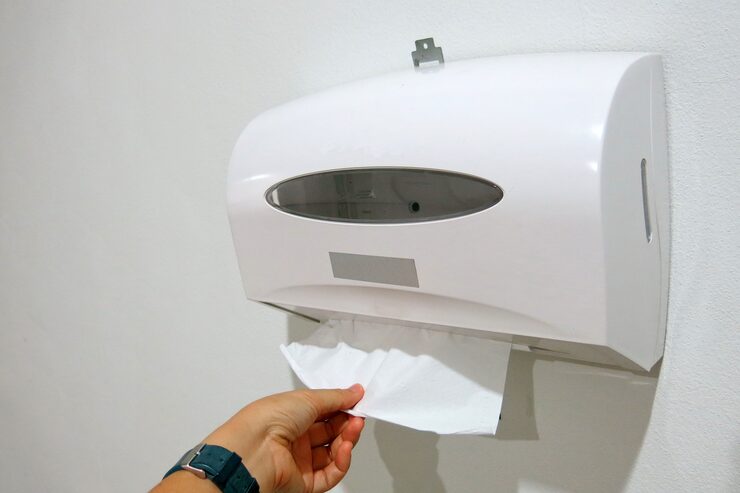
A hygienic toilet paper dispenser reduces direct hand contact with toilet paper rolls, limits cross-contamination between users, and helps maintain a consistently clean restroom environment. Enclosed dispenser designs protect paper from airborne bacteria, moisture, and surface germs. In high-traffic settings like hospitals, offices, and schools, the right dispenser system is one of the simplest and most effective hygiene controls available.
Washroom hygiene often comes down to the details. Hand dryers, soap dispensers, and sanitation schedules get plenty of attention — but toilet paper dispensers are frequently overlooked. That gap is worth closing, especially for facility managers responsible for healthcare centres, commercial offices, and educational institutions across Singapore.
Here is what the evidence and real-world practice show about why dispenser design genuinely matters. If you are evaluating options, you can explore a full range of hygienic toilet paper dispensers suited to various facility types.
Why Toilet Paper Dispensers Are a Frontline Hygiene Tool
Most people do not think twice about pulling paper from a roll. But exposed rolls sitting in open holders accumulate bacteria quickly. A study published in the American Journal of Infection Control found that toilet paper stored in open holders in hospital washrooms showed measurable bacterial contamination — including pathogens transferable to hands.
In Singapore, the National Environment Agency (NEA) has long emphasised that washroom hygiene is a public health issue, not just a comfort concern. High-traffic washrooms in schools, clinics, and offices can serve hundreds of users daily. Every touchpoint is a potential transfer surface.
A well-designed dispenser addresses this at the source. It controls how paper is dispensed, limits unnecessary contact, and protects unused paper from the washroom environment.
How the Right Dispenser Reduces Contamination
Enclosed Casing Protects Paper from Airborne Pathogens
Open toilet paper rolls are directly exposed to the washroom atmosphere. Every flush generates aerosol particles that settle on nearby surfaces — including exposed paper. Enclosed dispensers with solid casings act as a physical barrier. The paper inside stays protected until it is actually dispensed.
This is particularly relevant in healthcare settings, where infection control is a clinical priority, not just a best practice.
Controlled Dispensing Limits Overuse and Contamination
Many dispenser designs allow users to pull paper in a controlled, single-sheet or measured-length format. This does two things:
- It reduces the amount of paper handled unnecessarily
- It prevents users from touching sections of paper that will be used by others
In practice, this means less waste and a lower contamination risk per use. For schools especially, where students may handle dispensers carelessly, controlled mechanisms make a meaningful difference.
Touch-Free Dispensers Eliminate a Key Transmission Point
The shift toward a touch-free dispenser format has accelerated significantly since 2020. Sensor-activated dispensers remove the need to physically handle the unit to retrieve paper. This eliminates one more hand-contact surface in an already high-touch environment.
For office washrooms and healthcare facilities managing post-pandemic hygiene protocols, touch-free systems represent a practical and visible upgrade. They also signal to users that cleanliness is being actively managed — which influences behaviour positively.
Dispenser Types and Their Best Use Cases
| Dispenser Type | Best For | Key Hygiene Benefit
|
|---|---|---|
| Jumbo Roll Enclosed Dispenser | High-traffic offices, schools | Protects large paper supply; reduces refill frequency |
| Centre-Pull Dispenser | Healthcare, clinics | Single-sheet pull reduces over-handling |
| Touch-Free Sensor Dispenser | Hospitals, premium offices | Zero contact with dispenser housing |
| Mini Jumbo Dispenser | Schools, smaller washrooms | Enclosed casing with compact footprint |
| Twin-Roll Dispenser | Busy public washrooms | Continuous supply reduces downtime and improvised solutions |
The Hidden Hygiene Cost of the Wrong Dispenser
Facilities that use open holders or low-quality dispensers often face a problem that goes unnoticed until it becomes visible: paper that runs out mid-session, leading users to handle spare rolls directly, or paper that gets wet, torn, and unusable. These situations push users into improvised behaviour — which is where hygiene breaks down entirely.
There is also a staff implication. Cleaners who refill open-format dispensers handle paper directly and more frequently. A properly enclosed, high-capacity dispenser reduces refill frequency and minimises handling throughout the supply chain.
For schools in Singapore, this has a direct link to student health outcomes. Washrooms that are stocked, functional, and visibly clean encourage proper hygiene habits — including consistent handwashing after toilet use.
Restroom Hygiene Solutions That Go Beyond the Dispenser
A dispenser does not operate in isolation. It works best as part of a broader set of restroom hygiene solutions that include:
- Regular cleaning schedules with documented checklists
- Proper placement of dispensers away from direct splash zones
- Adequate soap and hand dryer provision alongside paper dispensers
- Clear signage encouraging handwashing behaviour
- Matching paper quality to dispenser type to prevent jams and waste
Mismatched paper and dispenser combinations are a common facility management mistake. Using incompatible roll sizes or paper grades causes mechanical jams, increases downtime, and results in the paper being left outside the dispenser — defeating its hygiene purpose entirely.
What Facility Managers Should Look For When Choosing a Dispenser
Capacity and Refill Frequency
Higher-capacity dispensers reduce the number of refills required per day. In a busy school or office block, fewer refills mean fewer opportunities for hygiene lapses during the changeover process. Look for dispensers with transparent windows or indicators that allow staff to check levels without opening the unit.
Material and Cleanability
The dispenser casing itself must be easy to clean. Smooth, non-porous surfaces resist bacterial build-up and can be wiped down quickly during routine cleaning. Avoid designs with recessed edges or complex geometry that traps moisture.
Compatibility With Paper Products
This is frequently overlooked. Confirm that the dispenser is rated for the paper grade and roll diameter you intend to use. Many manufacturers provide compatibility charts. Using a dispenser with its intended paper product delivers a smooth, jam-free experience that maintains hygiene from start to finish.
Bringing It Together: Why This Investment Makes Practical Sense
Upgrading to a properly designed dispenser system is not a large capital expenditure. It is a low-cost intervention with measurable hygiene returns — fewer contamination risks, less paper waste, reduced cleaning burden, and a washroom that functions reliably for every user.
For healthcare administrators, office managers, and school facility teams in Singapore, the argument is straightforward: the dispenser is the last line of contact between stored paper and the user. Getting that detail right has real consequences for cleanliness and health outcomes.
Tai Sin Paper offers a comprehensive range of dispensers designed for exactly these environments — from high-capacity jumbo roll systems to sensor-activated touch-free units, all backed by paper products engineered to work seamlessly with each dispenser format. Explore the full Taisin Paper range to find the right fit for your facility.
Frequently Asked Questions
What makes a toilet paper dispenser hygienic?
A hygienic toilet paper dispenser uses an enclosed casing to protect paper from airborne bacteria and moisture, controls how paper is dispensed to reduce unnecessary contact, and is made from cleanable, non-porous materials. Touch-free sensor models offer the highest level of contamination prevention by eliminating direct hand contact with the unit entirely.
Are touch-free dispensers worth it for offices?
Yes. Touch-free dispensers remove one high-contact surface from the washroom entirely, reducing hand-to-surface transmission risk. For offices with shared washrooms and high daily footfall, sensor-activated dispensers are a practical hygiene upgrade that also signals cleanliness to staff and visitors — which positively influences overall washroom behaviour.
How often should toilet paper dispensers be refilled in a school
Refill frequency depends on daily usage and dispenser capacity. High-capacity jumbo roll dispensers in school washrooms typically require one to two refills per day during peak hours. Choosing a higher-capacity dispenser and monitoring stock with a visual indicator window reduces the risk of running out during school hours.
Can the wrong dispenser affect washroom hygiene?
Yes. Dispensers that jam frequently, run out quickly, or leave paper exposed outside the casing create hygiene gaps. Users resort to handling spare rolls or improvising, which introduces contamination. Matching the right dispenser format to the traffic level and paper type is essential for maintaining consistent hygiene standards.
What type of dispenser is best for healthcare washrooms?
Centre-pull dispensers and sensor-activated touch-free models are best suited to healthcare environments. Centre-pull formats allow single-sheet dispensing, which reduces over-handling. Touch-free models eliminate dispenser contact altogether. Both options support infection control protocols and are easy to clean and maintain between patient and staff use.
Do toilet paper dispensers help reduce paper waste?
Yes. Enclosed dispensers with controlled dispensing mechanisms reduce over-pulling and casual overuse. This lowers paper consumption per visit without requiring any behavioural change from users. In high-traffic facilities, the cumulative reduction in waste can be significant — making the right dispenser choice both a hygiene and cost-efficiency decision.