


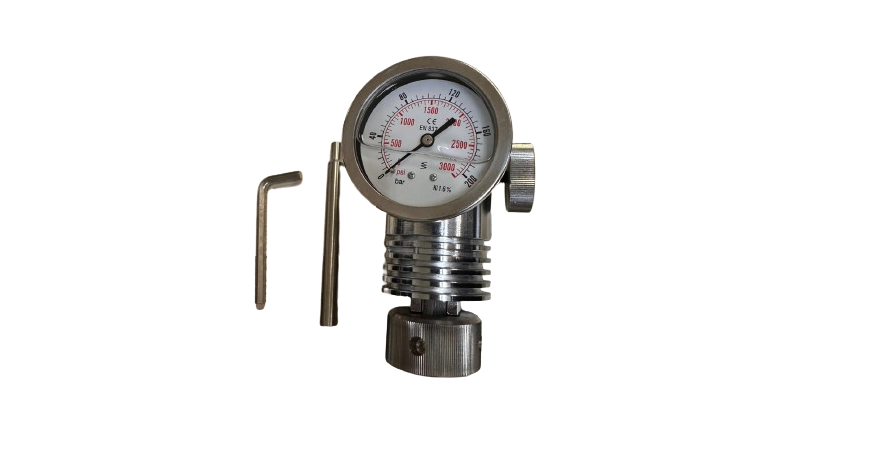
Peak pressure and compression pressure are two distinct engine measurements that are often confused. Compression pressure is measured during the compression stroke before combustion, reflecting the mechanical condition of the engine. Peak pressure occurs at the moment of maximum combustion force inside the cylinder. Each measurement serves a different diagnostic purpose and requires different instruments to record accurately.
Why These Two Pressures Are Frequently Confused
Both values are expressed in bar or PSI, both relate to what happens inside a cylinder, and both are used to assess engine health. That overlap in context makes it easy to conflate them — especially for engineers new to diesel diagnostics or students working through engine theory for the first time.
But treating them as interchangeable leads to misdiagnosis. A cylinder can show acceptable compression pressure and still produce abnormal peak cylinder pressure during firing. Understanding the difference matters on the job.
What Is Compression Pressure?
Compression pressure is the pressure measured at the end of the compression stroke — just before fuel injection and ignition. It reflects how well the cylinder is sealed and how effectively the piston, rings, and valves are maintaining mechanical integrity.
A compression test is typically done with the engine cranking but not firing. You remove the injector or use a dedicated test port, fit a compression gauge, and crank the engine to read the peak pressure achieved through mechanical compression alone.
What Does a Normal Compression Reading Look Like?
For a typical medium-speed marine diesel engine, compression pressure generally falls between 30 and 45 bar. The exact specification varies by engine manufacturer, but what matters most is consistency across all cylinders. A drop of more than 10–15% in one cylinder compared to the others signals wear, ring blow-by, or valve seating issues.
Compression testing is a foundational diagnostic tool. It tells you about mechanical condition — not about how combustion is actually performing.
What Is Peak Cylinder Pressure?
Peak cylinder pressure — also called maximum combustion pressure or Pmax — is the highest pressure reached inside the cylinder during the power stroke, after fuel has ignited. In a diesel engine, this occurs shortly after top dead centre (TDC), typically between 5° and 15° after TDC depending on injection timing and load.
A peak pressure indicator is the instrument used to capture this value. It records the absolute maximum pressure during the firing cycle — a dynamic measurement that compression gauges simply cannot provide.
Typical Peak Pressure Values in Marine Diesel Engines
In a large two-stroke marine diesel, Pmax commonly ranges from 120 to 180 bar under full load. In medium-speed four-stroke engines used in offshore support vessels and auxiliary power generation, values typically sit between 80 and 160 bar. These figures vary with engine design, fuel quality, and operating conditions.
Monitoring peak cylinder pressure is critical for engine performance optimisation and for preventing mechanical damage from over-pressurisation.
Side-by-Side Comparison: Peak Pressure vs Compression Pressure
| Parameter | Compression Pressure | Peak Cylinder Pressure
|
|---|---|---|
| When It Occurs | End of compression stroke (before ignition) | During power stroke (after ignition) |
| Engine State | Cranking, not firing | Running under load |
| What It Measures | Mechanical sealing integrity | Maximum combustion force |
| Typical Range (Marine Diesel) | 30–45 bar | 80–180 bar |
| Instrument Used | Compression gauge | Peak pressure indicator |
| Primary Use | Diagnosing mechanical wear | Performance tuning and load balancing |
| Affected By | Piston rings, valves, cylinder liner condition | Injection timing, fuel quality, turbocharger condition |
When Should You Use Each Measurement?
Use Compression Pressure When:
- An engine is difficult to start or misfiring on a specific cylinder
- You suspect worn piston rings or damaged cylinder liner
- Carrying out a planned maintenance check after major overhaul
- Investigating excessive oil consumption or blowby gases
Use Peak Cylinder Pressure When:
- Balancing power output across all cylinders on a running engine
- Checking injection timing adjustments
- Investigating vibration, knocking, or thermal overload on one cylinder
- Verifying engine performance against manufacturer load curves
Why Diesel Engine Compression Testing Alone Is Not Enough
A cylinder can pass a compression test and still cause problems at sea. If injection timing is retarded, fuel quality is poor, or the turbocharger is underperforming, the compression stroke may be perfectly normal — yet combustion pressure will be significantly lower than it should be. That leads to uneven power distribution, increased fuel consumption, and thermal stress on other cylinders.
This is why experienced marine engineers take both measurements as part of a complete cylinder performance assessment. Compression pressure confirms the mechanical foundation. Peak combustion pressure confirms that the cylinder is actually doing useful work.
Instrument Selection: Choosing the Right Tool
For measuring diesel engine compression, a standard compression gauge with the appropriate adaptor for the engine’s injector bore will suffice for most routine checks. The gauge only needs to capture a static peak during cranking.
For peak cylinder pressure, you need a purpose-built peak pressure indicator — a robust instrument designed to withstand the rapid, high-magnitude pressure spikes that occur during live combustion. These instruments typically feature a maximum-hold mechanism that retains the highest pressure reading until manually reset, allowing the engineer to read the value at a convenient moment after the measurement is taken.
In Singapore’s marine and offshore sector, where engine uptime directly affects vessel scheduling and port turnaround, having calibrated, reliable instruments for both measurements is standard practice on well-maintained vessels.
A Practical Example from the Engine Room
Consider a four-cylinder auxiliary diesel running at 75% load during a voyage. Cylinder number three is producing slightly higher exhaust temperatures than the others. A compression test comes back normal across all four cylinders — no mechanical issues are evident.
But when the engineer takes peak pressure readings across all cylinders while the engine is running, cylinder three shows a Pmax of 142 bar while the other three average 128 bar. That imbalance points to injection timing being slightly advanced on that cylinder — a finding that compression pressure alone would never have revealed.
Where to Source Reliable Peak Pressure Instruments in Singapore
For marine engineers and technical professionals based in Singapore, sourcing accurate, durable instrumentation matters as much as knowing how to use it. BST supplies professional-grade peak pressure indicators and compression testing equipment suited to marine diesel, industrial, and power generation applications. Their product range supports engineers who need dependable readings in demanding engine room conditions.
Read More: Small Bathroom Ideas Using Frameless Glass Shower Screens
Frequently Asked Questions
What is the difference between peak pressure and compression pressure in a diesel engine?
Compression pressure is recorded during the compression stroke before combustion, measuring mechanical cylinder integrity. Peak pressure is the maximum pressure reached after fuel ignites during the power stroke. They use different instruments and diagnose different problems — one reflects engine condition, the other reflects combustion performance.
Can a compression test replace a peak pressure test?
No. A compression test only evaluates mechanical sealing — piston rings, valves, and liner condition. It cannot measure combustion quality, injection timing accuracy, or actual power output per cylinder. A peak pressure indicator is required for those assessments. Both tests serve different diagnostic purposes and complement each other.
What is a normal peak cylinder pressure for a marine diesel engine?
For large two-stroke marine diesels, peak cylinder pressure typically ranges from 120 to 180 bar at full load. Medium-speed four-stroke engines commonly see values between 80 and 160 bar. Always refer to the manufacturer’s specification for your engine model, as design and load conditions affect the acceptable range.
What instrument is used to measure peak cylinder pressure?
A peak pressure indicator is the correct instrument for measuring maximum combustion pressure in a running diesel engine. It is designed to withstand rapid high-pressure combustion events and holds the maximum reading until reset. Standard compression gauges are not suitable for this application as they are used on a cranking, non-firing engine.
Why does peak pressure vary between cylinders on the same engine?
Variation in peak cylinder pressure across cylinders typically indicates differences in injection timing, injector wear, fuel delivery volume, or turbocharger performance affecting individual cylinders. Even small imbalances can increase thermal loading and fuel consumption. Regular peak pressure monitoring helps identify these issues before they cause mechanical damage or unplanned downtime.
How often should peak pressure be measured on a marine diesel engine?
Most engine manufacturers and classification society guidelines recommend recording peak cylinder pressure at regular service intervals and whenever engine performance changes — such as increased exhaust temperatures, abnormal vibration, or rising fuel consumption. In practice, many chief engineers take readings during every scheduled load test or after any fuel system maintenance.