

Home automation in Singapore condominiums lets residents control lighting, climate, security, and energy usage from a single app or voice command. Smart systems can reduce electricity consumption, improve security, and add real convenience to everyday living. For condo owners and investors, these features also add measurable value to the property.
If you own or invest in a condominium in Singapore, home automation Singapore solutions are no longer a luxury — they are a practical upgrade. Condominiums have specific constraints: shared walls, limited wiring access, and body corporate rules. The right smart features work within these boundaries while delivering a genuinely better living experience.
Why Home Automation Makes Sense for Condominiums
Condos are compact, high-density living spaces. That makes automation especially impactful — small changes to how you manage lighting, aircon, or access control can meaningfully affect comfort, costs, and security. According to the Energy Market Authority of Singapore, households account for around 15% of the nation’s total electricity consumption. Smart systems give residents direct tools to bring that number down.
10 Smart Features Worth Considering for Your Condo
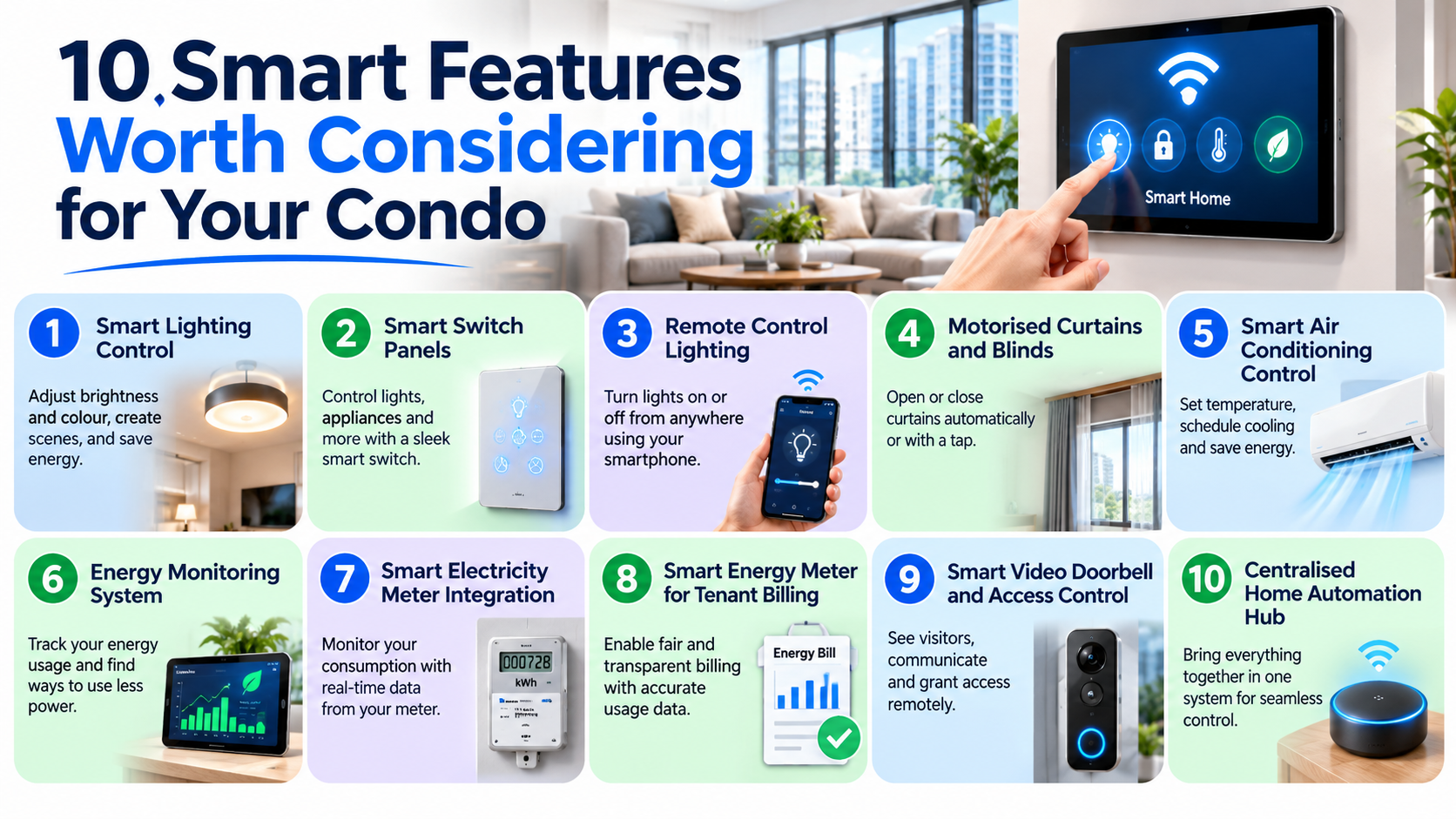
1. Smart Lighting Control
Smart lighting lets you dim, schedule, and group lights across every room. Motion-triggered scenes mean lights come on when you walk in and turn off when you leave — no more lights left on in empty rooms. For condos with open-plan layouts, zoned lighting transforms the feel of the space without any major renovation.
2. Smart Switch Panels
Replacing standard wall switches with a smart switch Singapore solution is one of the most accessible upgrades available. Smart switches work with your existing light fittings and connect directly to your home Wi-Fi or a smart hub. You get scheduling, remote access, and scene control without rewiring the entire unit. They are also renter-friendly since they can be swapped back out easily.
3. Remote Control Lighting
With remote control lighting, you can adjust every light in your condo from your phone, whether you are on the sofa or overseas. This is particularly useful for investors who manage tenanted units — lights can be turned off remotely if a tenant forgets, and lighting schedules can simulate occupancy for security purposes.
4. Motorised Curtains and Blinds
Singapore’s east-facing windows receive direct morning sun, and west-facing ones cop the afternoon heat. Motorised curtains respond to a schedule or light sensor, opening to let in natural light and closing when the sun gets harsh. This reduces the load on your aircon system and protects furniture from UV damage. It also adds a clean, modern aesthetic that resonates with buyers and tenants alike.
5. Smart Air Conditioning Control
Air conditioning is the single largest energy expense in most Singapore homes. A smart aircon controller connects to your existing split-unit system and allows remote temperature adjustments, scheduling, and usage tracking. You can set the aircon to power down an hour after bedtime or turn on 20 minutes before you arrive home. Over a year, this saves a meaningful portion of your electricity bill.
6. Energy Monitoring System
An energy monitoring system Singapore homeowners can actually use gives you a real-time breakdown of consumption by device or circuit. You stop guessing which appliances are costing the most and start making informed decisions. This is especially valuable for larger condo units where multiple aircon units, water heaters, and home office equipment run simultaneously.
7. Smart Electricity Meter Integration
Singapore’s SP Group has progressively rolled out advanced metering infrastructure across the island. Pairing your home system with a smart electricity meter gives you half-hourly consumption data, helping you identify peak usage patterns. When integrated with a home automation hub, this data can trigger automatic actions — like reducing non-essential loads during expensive peak periods.
8. Smart Energy Meter for Tenant Billing
Property investors managing tenanted condos will find a Smart Energy Meter useful for transparent, automated utility tracking. Sub-metering individual units or rooms removes disputes about electricity usage and makes billing straightforward. Some systems generate usage reports automatically, which simplifies property management considerably.
9. Smart Video Doorbell and Access Control
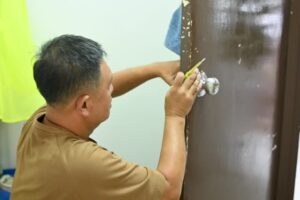
Condominiums already have building-level security, but unit-level access control adds a second layer. A smart video doorbell lets you see and speak with visitors from anywhere. Smart door locks allow keyless entry using PIN codes, fingerprint, or app-based access. For landlords, this means you can issue and revoke access codes remotely — no more replacing locks between tenants.
10. Centralised Home Automation Hub
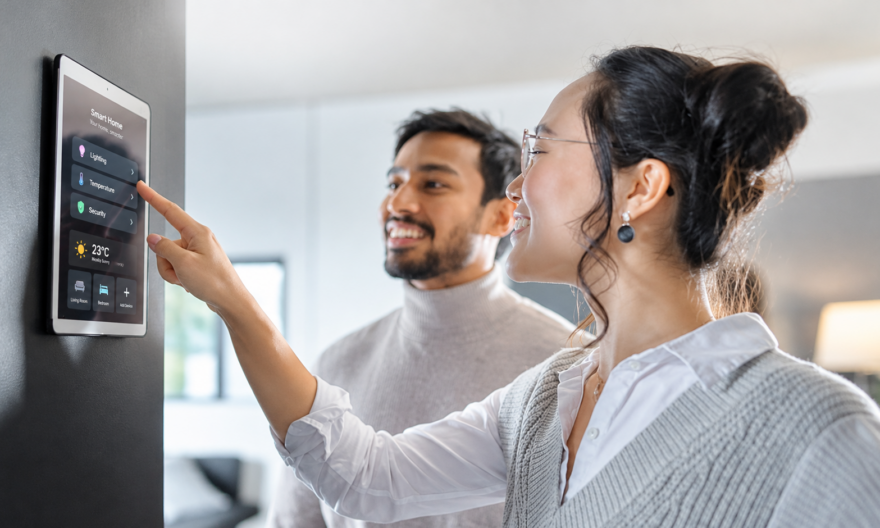
All of the above features work best when unified under a single platform. A centralised hub — whether it is a dedicated controller or a well-integrated app — lets you manage every system from one interface. You can create scenes like “Good Morning” (raise curtains, set aircon to 24°C, turn on kitchen lights) or “Away Mode” (lock doors, turn off all lights, activate cameras). This is where the real convenience of a fully automated condo comes together.
Related Post: How Smart Electricity Monitoring Supports a More Energy-Efficient Smart Home
What to Look for When Choosing a Home Automation System
Not all systems are equal. Here is a quick comparison of the key factors condo owners should evaluate:
|
Factor |
What to Check |
|---|---|
| Compatibility | Works with existing wiring and fittings |
| Scalability | Can add devices without replacing the whole system |
| Connectivity | Wi-Fi, Zigbee, Z-Wave — consider reliability and range |
| Installation | Minimal hacking or renovation required |
| Support | Local after-sales service available in Singapore |
| Integration | Supports voice assistants and third-party devices |
Does Home Automation Add Property Value in Singapore?
For investors, the return is not just in energy savings. A smartly fitted condo commands stronger rental interest — particularly from expatriate tenants and younger professionals who expect connectivity and convenience. With Singapore’s rental market remaining competitive, automation features are increasingly a differentiator rather than a novelty.
L3 Homeation specialises in smart home solutions tailored specifically for Singapore condominiums, from individual smart switch upgrades to fully integrated automation ecosystems. Their team understands the unique requirements of condo living — including working within management corporation guidelines and existing electrical infrastructure.
Frequently Asked Questions
Can I install home automation in a rented condo in Singapore?
Yes, many smart home devices such as smart switches, plugs, and video doorbells are non-invasive and reversible. They require no permanent modifications, making them suitable for rented units with landlord approval. Always check your tenancy agreement before installation.
How much does a home automation system cost in Singapore?
Costs vary widely depending on scope. A basic smart lighting and aircon setup can start from a few hundred dollars, while a fully integrated system with security, curtains, and energy monitoring may range from S3,000toS10,000 or more for a full condo unit.
What is the difference between a smart switch and a regular dimmer switch?
A smart switch connects to your home network and can be controlled remotely via app, voice, or automation schedules. A standard dimmer only adjusts brightness manually. Smart switches offer far greater flexibility, including scene creation, energy tracking, and remote access from anywhere.
Is a smart electricity meter the same as an energy monitoring system?
Not exactly. A smart electricity meter records consumption data at the utility level, typically managed by SP Group. An energy monitoring system is installed within your home and provides device-level or circuit-level tracking in real time, giving you more granular control over usage.
Are home automation systems compatible with HDB and private condominiums?
Most modern home automation systems are designed to work with standard Singapore wiring configurations found in both HDB flats and private condominiums. However, condos often allow greater flexibility in installation due to fewer shared-wall restrictions and more varied floor plan layouts.
Do smart home devices work during a Wi-Fi outage in Singapore?
Many smart devices retain their last settings or switch to local control mode during a Wi-Fi outage. Zigbee and Z-Wave-based systems often continue functioning on a local mesh network. However, remote app access and cloud-based features will be unavailable until connectivity is restored.